
1.9.2026
New Year, New Beginnings: UVA Health PACU Nurses Deliver Baby Boom
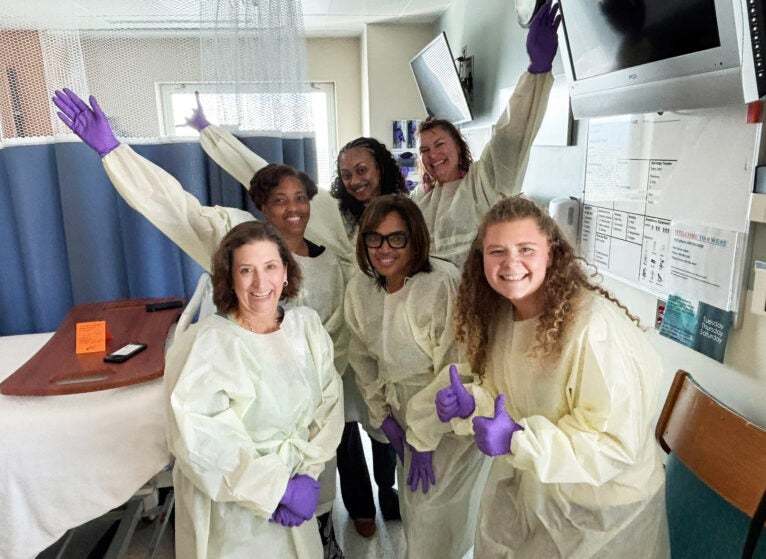
Patient Relations team members: Laura Nicholson, Kimbley Bruce-Morton, Tamara Williams, Kendall Badgett, Hannah Kaufman, and Carol Mouscardy.
The Patient Relations team is one of many within University Medical Center working behind the scenes to help ensure we’re delivering on our promise to provide an exceptional patient experience. When questions arise, concerns surface, or expectations aren’t met, Patient Relations representatives step in to try to find a resolution, turning problems into opportunities for collaboration, understanding, and process improvement.
“There are a lot of misconceptions about what we do,” says Tabatha Greene, Manager, Patient Experience Office. “We're not Patient Advocates — we’re not on anyone's side. We're here to just help bridge the gaps in communication and help identify how we can improve the patient experience. Because that's ultimately what we're here for.”
Paths to Resolution
Referrals to the Patient Relations team come from a variety of sources, including patients and/or their legal representative, who share feedback about their experience directly with our team by calling 434.924.8315 or by submitting an online form. Each issue is documented and assessed to determine if the complaint should be classified as a “concern” or a “grievance” according to the Patient Complaints and Grievances Medical Center Policy.
Addressing Minor Concerns Quickly
A concern is an issue that often can be resolved easily, such as helping a patient get an appointment scheduled or a prescription filled — or helping them understand why we can’t fulfill their request. Often, a simple miscommunication is the barrier.
“The goal is to resolve these informal complaints from patients within two business days to avoid their experience turning negative,” says Greene. “They may have tried reaching out to the clinical team, but they still have questions. So we send that information along to the clinical team in a more neutral, direct way to help get patients the resolution they’re seeking in a timely manner. Hopefully that helps them feel heard and have a better experience.”
Settling Grievances Collaboratively
If the issue can’t be resolved quickly, if the complainant remains dissatisfied, or if additional information is needed, then it is filed as a formal grievance. “When we feel like a full investigation is needed, then our team works with the providers and the Grievance Committee to determine a resolution,” says Laura Nicholson, MHA, Patient Relations Supervisor.
The Grievance Committee is made up of members from key departments across University Medical Center, including health information management, billing, physician legal team, risk management, and compliance, as well as a clinical representative from the Emergency Department and a regulatory representative. “We meet weekly to discuss grievances that are in process and what needs to happen to reach a resolution,” explains Nicholson.
On average, the committee addresses around 30 grievances each month. Tackling these problems as a group not only promotes diverse perspectives and innovative solutions, but it also sends a message to patients that their concerns are taken seriously.
“I think being able to tell patients this wasn't my decision and it wasn't your doctor's decision, but was something that we had multiple team members from across the health system looking at from different angles — I think that helps patients understand that we’re being transparent and we're trying to do the best we can to address their concern,” says Greene.
What Success Looks Like
The processes our Patient Relations team follows to address concerns and grievances are regulated by the Centers for Medicare and Medicaid Services (CMS). Yet, their efforts go far beyond just closing cases. For this team, success means fostering a compassionate, collaborative environment, where patients, families, and care teams feel heard and valued, and taking every opportunity to utilize feedback to create meaningful change within the organization.
According to Greene a “win” for this team is being proactive in their efforts to respond to every opportunity for improvement and demonstrating to the patient that, not only do we care about their experience, we welcome their feedback. “Because they brought an issue to our attention, we can improve our processes in the future,” she says.

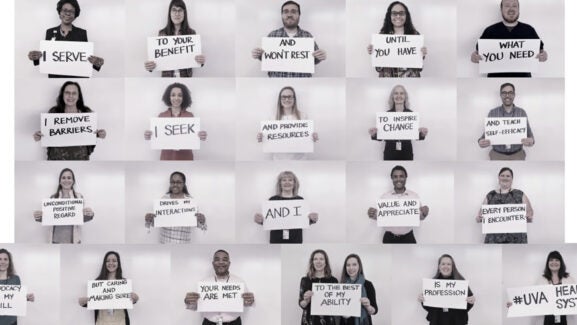

Rockstar team!!!