1.23.2026
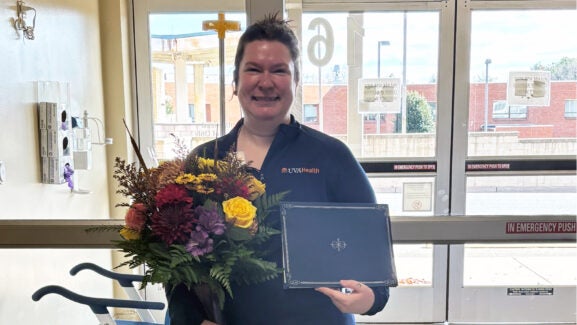
UVA Health Culpeper Medical Center ED Tech-Paramedic’s Advocacy and Attention to Detail Saves a Child
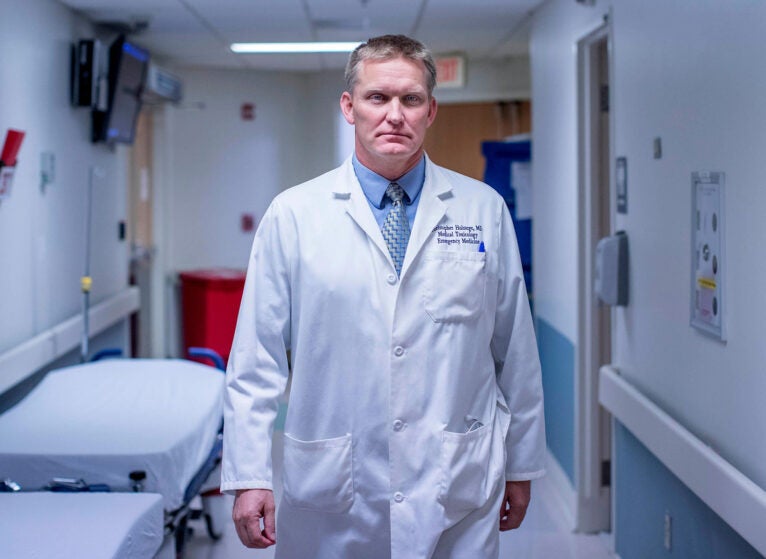
Christopher Holstege, MD, Director, Blue Ridge Poison Center
With power outages possible due to the approaching winter storm, UVA Health’s Blue Ridge Poison Center is urging people to avoid carbon monoxide poisoning caused by portable generators and other alternative heating methods.
Carbon monoxide (CO) is an invisible gas formed as you burn fuel in portable power generators. If the generator is not located in a safe place, CO can make its way inside homes.
Faulty, clogged or leaky gas furnaces or chimneys can also cause a dangerous amount of CO to build up inside homes, as can running vehicle engines in garages. Other sources of CO include kerosene or propane heaters, woodstoves, gasoline-powered tools and charcoal or gas grills.
Breathing CO may cause headaches, nausea, vomiting, chest pain, dizziness, weakness, convulsions, loss of consciousness and death. Very high concentrations of CO can cause loss of consciousness in only a few breaths.
“Power outages always bring a risk of carbon monoxide poisoning,” says Christopher Holstege, MD, Director, Blue Ridge Poison Center. “Since you cannot see, smell, or taste CO, you may not be aware that you are breathing it.”
CO poisoning is entirely preventable. The Blue Ridge Poison Center encourages anyone who loses power to take these key safety steps:
CO poisoning often is mistaken for the flu or other illnesses. If you suspect CO poisoning, or if your carbon monoxide alarm sounds, immediately move people and pets to fresh air and call 911. For advice if someone may have been exposed to CO, Blue Ridge Poison Center experts are available around the clock at 800.222.1222. Calls are free and confidential.