10.14.2026
Cardiac and Pulmonary Rehabilitation Program Relocation Is Latest in Heart and Vascular Institute Advances

This monthly community newsletter from Dr. Mitchell Rosner, interim Executive Vice President for Health Affairs, highlights how UVA Health serves our patients and the community. To stay up to date on operations, clinical services, and research efforts featured in UVA Health Community Update, subscribe.
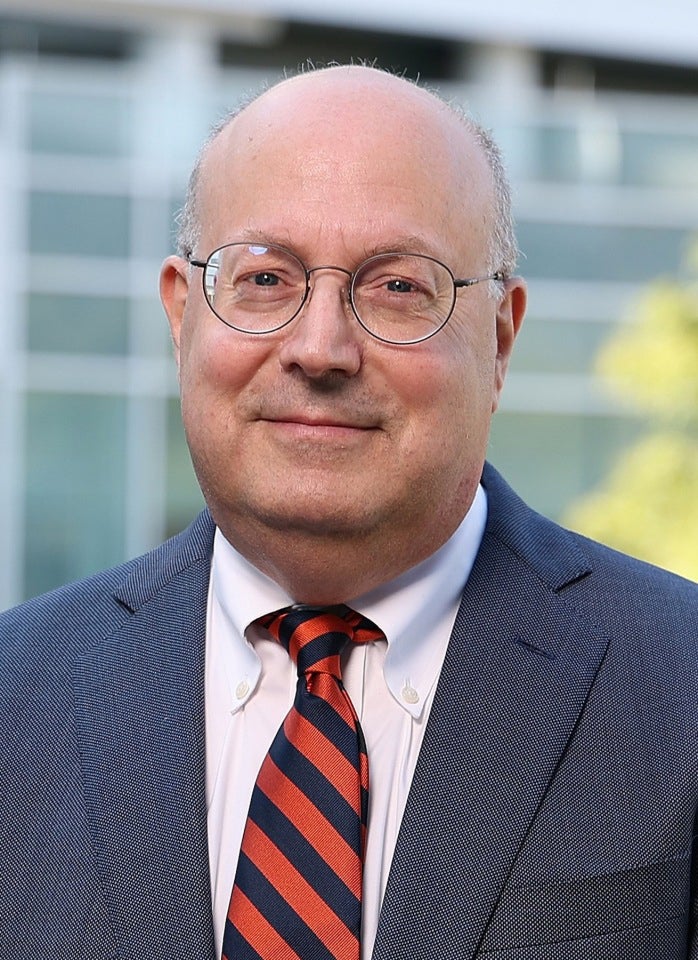
Dear Friends of UVA Health,
As we move through the early months of 2026, I want to share updates that illustrate how UVA Health continues working to strengthen care for our patients, advance research, and serve communities across Virginia.
This month’s update includes a closer look at how we monitor quality and safety, progress in leadership searches, and examples of innovation and outreach taking place across our health system.
It is a privilege to serve this community, and we remain committed to working every day to improve the health and well-being of the people and communities who rely on us. Thank you for your continued support and for the role so many of you play in advancing our mission.
Mitchell H. Rosner, MD, MACP, FRCP
Chief Executive Officer, UVA Health
Executive Vice President for Health Affairs, UVA
Henry B. Mulholland Professor of Medicine

Patients and families trust UVA Health to provide safe, high-quality care and service. Behind the scenes, our teams continuously monitor performance, track outcomes, and work to improve how care is delivered across our hospitals and clinics. We don’t often talk about the complexity of this work, but it’s an important aspect of our daily lives as healthcare professionals. From March 8-14, we will recognize Patient Safety Awareness Week, an annual reminder of the importance of healthcare safety.
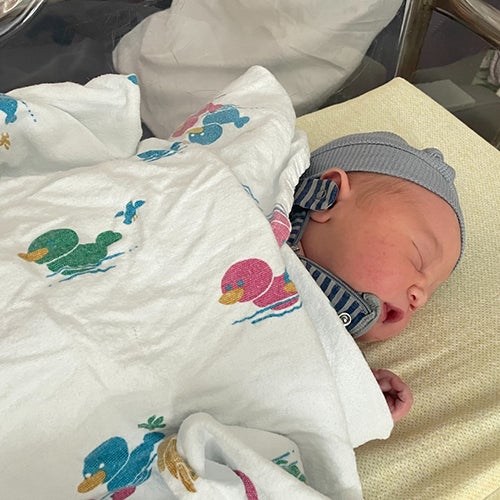
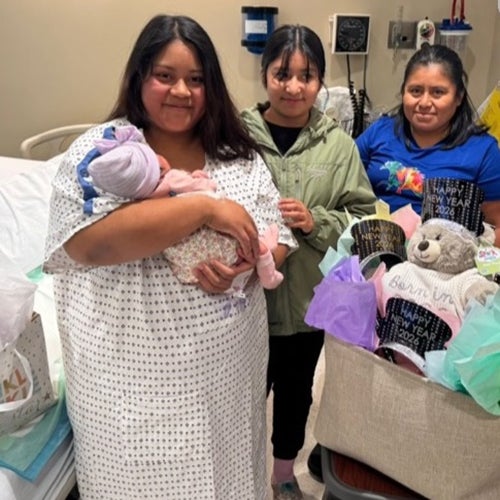
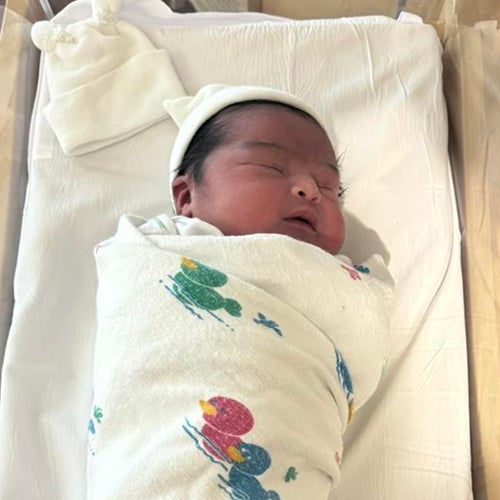
The start of the new year brought a joyful reminder of the important role UVA Health plays for growing families across our region. As we marked the arrival of the first babies of 2026 at our hospitals, our maternity teams were also supporting a steady increase in births — particularly at UVA Health University Medical Center, where delivery volumes have risen consistently in recent years.
More than 450 babies were born at University Medical Center in December and January alone, continuing a multi-year growth trend as more families seek care for both routine and higher-risk pregnancies. This increase reflects several factors, including greater clinical complexity in maternal care, reduced access to obstetric services in some surrounding communities, and UVA Health’s continued expansion of obstetrics providers and outreach clinics in locations such as Crozet, Zion Crossroads, and Louisa.
Across the health system in 2025, our teams welcomed 2,640 new babies at University Medical Center, nearly 1,900 at Prince William Medical Center, and close to 600 at UVA Health Culpeper Medical Center. I am grateful to the physicians, nurses, midwives, and care teams who make it possible to safely welcome so many new babies each year, even as delivery volumes increase. UVA Health remains committed to ensuring families can receive safe, comprehensive maternity care close to home.

Given the significant leadership transitions across UVA Health over the past year, I am committed to informing our community as important searches move forward. As part of that commitment, I want to share an update on next steps for two key roles.
We have begun a national search for the permanent Chief Executive Officer of UVA Health University Medical Center, following several months of strong interim leadership from Medical Center CEO Terrie Edwards. The search will include engagement with stakeholders across the health system and community. We have also committed to a national search for the next Dean of the UVA School of Medicine, with planning for that process continuing in the months ahead. Interim Dean Dr. Colin Derdeyn will continue to provide steady leadership over this period.
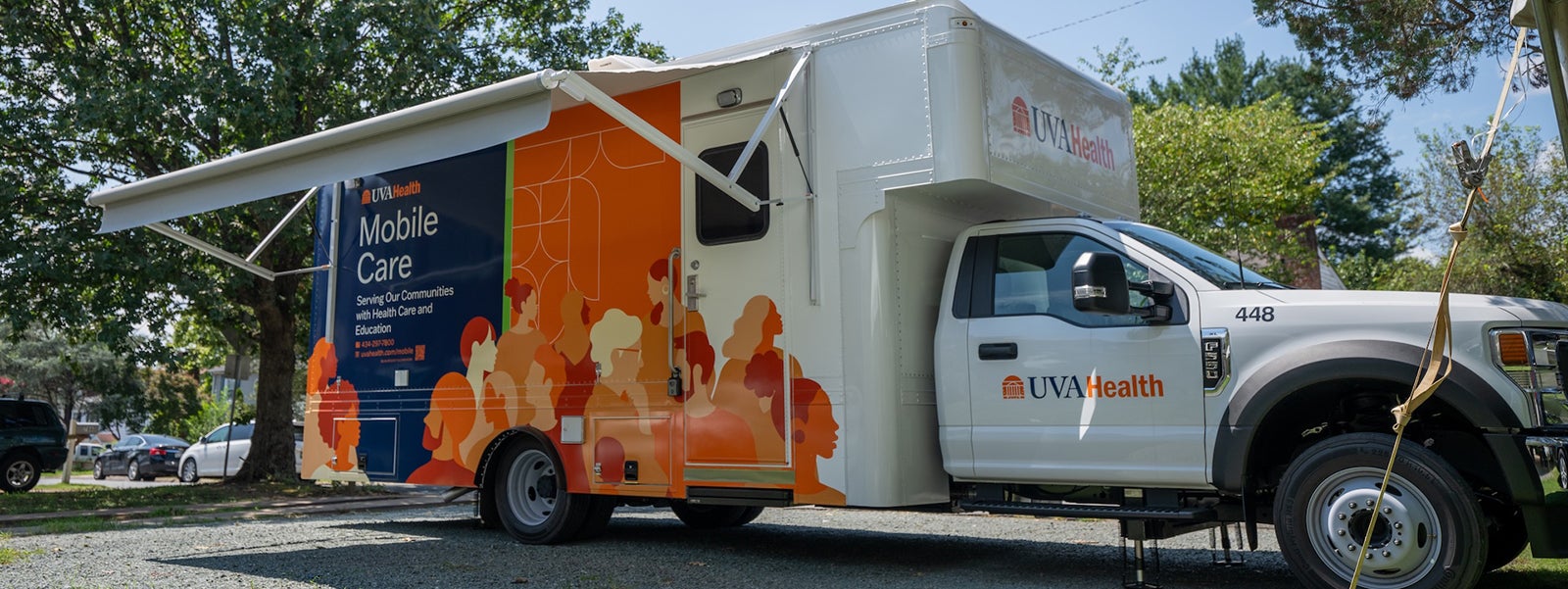
This year, UVA Health celebrates 10 years of Population Health programs designed to help our patients stay healthier at home and remain connected to care after leaving the hospital. What began as an effort to improve follow-up care has grown into a systemwide approach that now supports more than 6,000 patients each year across Virginia. Our services now include remote home monitoring, care coordination, community paramedicine, and mobile outreach. Early home-monitoring programs have helped reduce hospital readmissions by more than 5%, demonstrating how proactive support can help patients recover safely and optimally while preserving hospital access.
This work reflects what I have experienced for decades at UVA Health: our care teams are deeply committed to supporting patients and families at every stage of care — prevention, treatment, and recovery — embodying a culture of caring for our neighbors that continues long after a patient leaves our facilities.
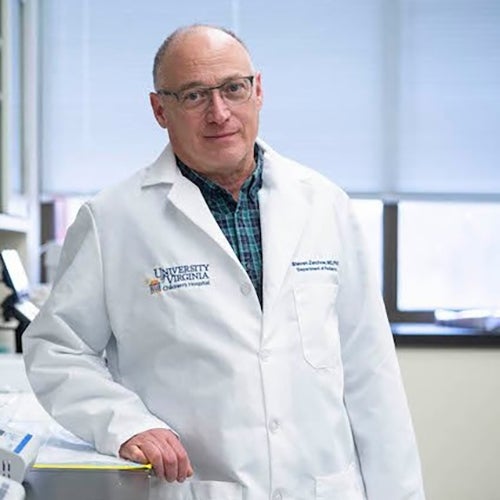
Who: A research team led by Steven L. Zeichner, MD, PhD, UVA School of Medicine.
Focus: Developing a new platform to design and manufacture vaccines more quickly, affordably, and with easier distribution during infectious-disease outbreaks. The approach is intended to streamline how vaccine candidates are created, tested, and scaled for real-world use.
Discovery: Zeichner and his team created and tested a vaccine-development approach that could produce safe, effective vaccines more quickly than ever before. Early proof-of-concept results showed the platform can create vaccines that prompt strong immune responses and could allow new vaccines to move from design to testing in weeks rather than months — potentially at a final cost of less than $1 per dose.
Why It Matters: Faster, lower-cost vaccines that remain stable at standard refrigerator temperatures could improve global access and help public health systems respond more rapidly to emerging pandemics or infectious threats — including in regions where cold-storage infrastructure is limited.
The researchers have detailed their results in the scientific journal Vaccines.