5.28.2026
June: UVA Health Team Member and Health Awareness
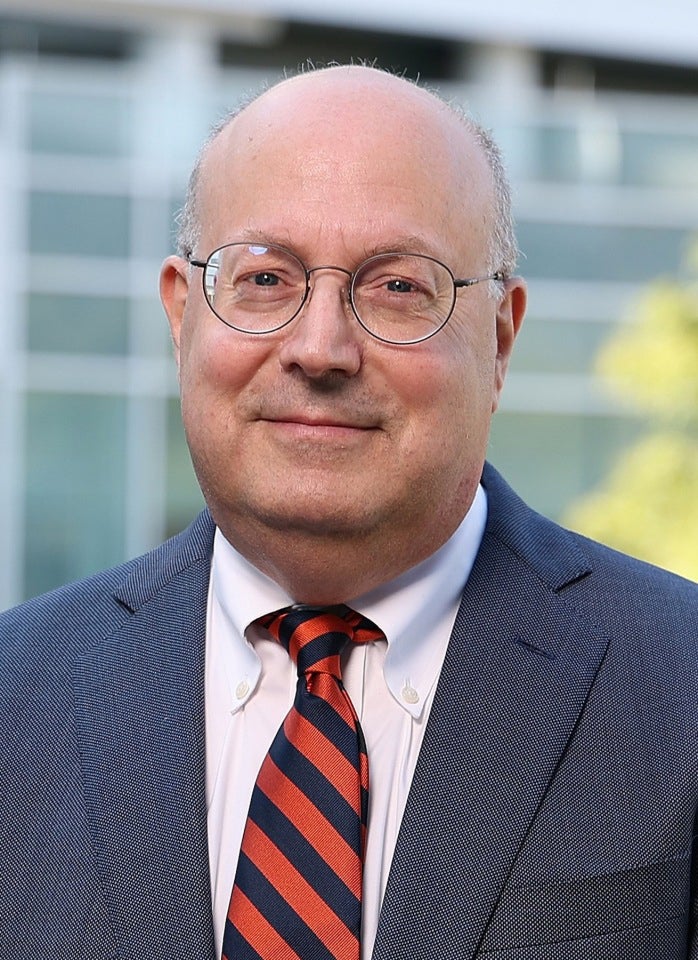
This monthly community newsletter from Dr. Mitchell Rosner, interim Executive Vice President for Health Affairs, highlights how UVA Health serves our patients and the community. To stay up to date on operations, clinical services, and research efforts featured in UVA Health Community Update, subscribe.
Dear Friends of UVA Health,
This month’s update highlights the many ways UVA Health continues to expand access to care, strengthen community partnerships, and advance discovery across Virginia. Included in this edition is a conversation with Dr. Tracy M. Downs, UVA Health Chief of Community Engagement and Health Outcomes, about listening to and learning from the communities we serve, and updates on a new UVA Health virtual primary care offering; this year’s graduating physicians, nurses, and researchers; and promising research that may help scientists better understand cancer recurrence.
Mitchell H. Rosner, MD, MACP, FRCP
Chief Executive Officer, UVA Health
Executive Vice President for Health Affairs, UVA
Henry B. Mulholland Professor of Medicine

For years, UVA Health has recognized the importance of addressing community health needs through partnerships and outreach efforts, particularly through our longtime relationship with the Charlottesville Free Clinic and specialty care outreach programs across underserved regions of Virginia.
Today, that work continues to evolve as community engagement becomes an increasingly important part of an integrated academic healthcare system. We work to address patient transportation barriers through the UVA Health Mobile Care led by our Population Health team, economic stability through our Earn While You Learn program, and food insecurity via Community Health Stations and the Dialysis Food Pharmacy Program.
Tracy M. Downs, MD, FACS, leads UVA Health’s Community Engagement and Health Outcomes Office, spearheading many of our efforts to reduce barriers to care and improve health outcomes. In this month's Q&A, he talks about the importance of meeting people where they are, building trust through community partnerships, and understanding the factors that shape health — long before patients enter a clinic or hospital.
Q1: What is the role of UVA Health’s Chief Community Engagement and Health Outcomes Officer?
My role is to help ensure UVA Health is delivering high quality clinical care and also taking a thoughtful and coordinated approach to the broader factors that influence health. My team supports approaches that reduce barriers to care, strengthen local relationships, and help us better understand the conditions that shape health before people enter the healthcare system. Ultimately, my role serves as a bridge and advocate — ensuring that what we learn from working alongside communities, informs how we think about outcomes and how we evolve as a health system over time.
Q2: How does your office identify the most pressing health needs in the communities we serve?
We have strong relationships with many organizations within Charlottesville and Albermarle County and are active members of regional boards and committees, including the Region Ten Mental Health Coalition. We also co-lead the Community Health Needs Assessment alongside Blue Ridge Health District and Sentara Martha Jefferson. That process helps communities identify priority health needs and guides how UVA Health aligns programs and resources.
Q3: Can you share an example of a program that is making a tangible difference locally?
One example is our Community Health Station in Charlottesville’s Fifeville neighborhood, which partners with our office, UVA School of Nursing, Blue Ridge Health District, UVA Health Pharmacy, and 4P Foods. Philanthropic support from Bama Works Fund has made our fresh produce program/food-as-medicine approach successful through our partnership with 4P foods. Twice a month, we provide fresh produce through a pay-what-you-can farm stand, along with blood pressure screenings, Hemoglobin A1c screenings, and vaccinations. Over time, our consistent and reliable presence in Fifeville has strengthened relationships and trust.
Q4: What have you learned from being present in our neighborhoods?
People value their health and are actively trying to take care of themselves — even if that isn’t always reflected in broader narratives. The challenge is not a lack of interest — it’s the difficulty in aligning care with the realities of daily life including time, transportation, cost, and competing responsibilities. Being consistently present and working alongside trusted local partners (like Abundant Life Ministries in Fifeville) has helped shift our role to allow us to better understand how people navigate these barriers and then adjust how we deliver services.
Q5: You continue to practice as a urologic oncologist. How does your clinical work shape the way you think about health outcomes across communities?
I constantly link what I see in individual patients to broader patterns in the community. Many of the cancers I treat are influenced by biology, when and how patients access care, their overall health, and the cumulative effects of their daily environment. I see patients present with more advanced diseases, reflecting delayed detection or longstanding health challenges. My work in the Community Engagement and Health Outcomes Office complements this by providing a clearer understanding of the real world conditions people face, including access to care, nutrition, transportation, or competing life demands. These factors influence when and how patients enter the healthcare system. Together, my roles reinforce that improving health outcomes depends not only on delivering excellent clinical care but also on understanding and addressing the factors that shape health long before a diagnosis is made.
Q6: How do partnerships with community organizations, faith groups, and local leaders shape the success of your work?
Many of the factors that influence health are shaped well beyond the walls of a hospital or clinic. Health systems have at times approached communities in transactional ways, not always building and maintaining relationships, which limits trust and long term impact. Working alongside community organizations, faith groups, and local leaders — trusted bridge builders — creates a different dynamic by allowing our efforts to be consistent and grounded in real needs. Over time, we build stronger, more stable relationships that create the conditions for better engagement and, ultimately, improved health outcomes.
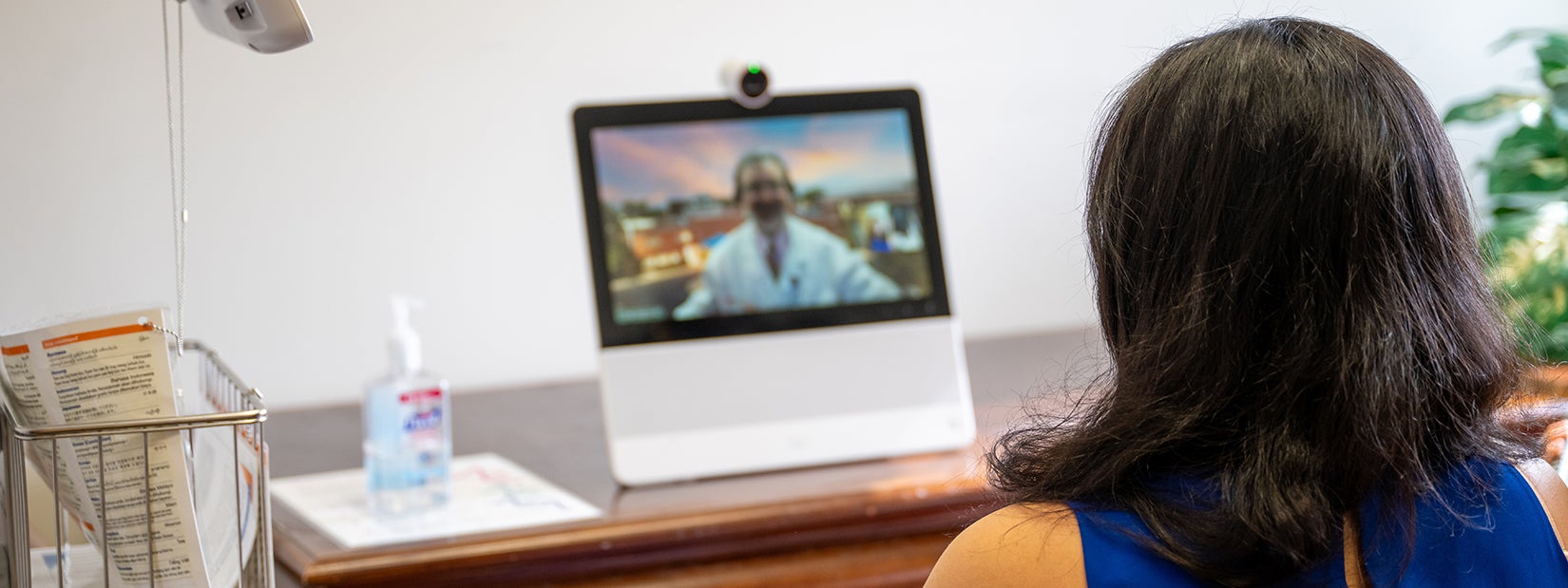
Across the nation, many individuals and families are struggling to find timely access to primary care. Long waits for appointments and limited provider availability have become a growing challenge in communities both large and small.
As part of our commitment to improving access to care, UVA Health recently launched Virtual Primary Care On Demand, a new statewide service that connects patients with UVA Health primary care providers through convenient video visits. The service offers same-day and ongoing care options, including wellness visits, chronic disease management, prescription renewals, and treatment for common illnesses and minor injuries. Evening and weekend options are available, and there is no requirement to already be a UVA Health patient. Response to the program has been encouraging, with up to 30 patients per day scheduling appointments from communities across Virginia — an early sign of the need to connect more people with timely, convenient care.
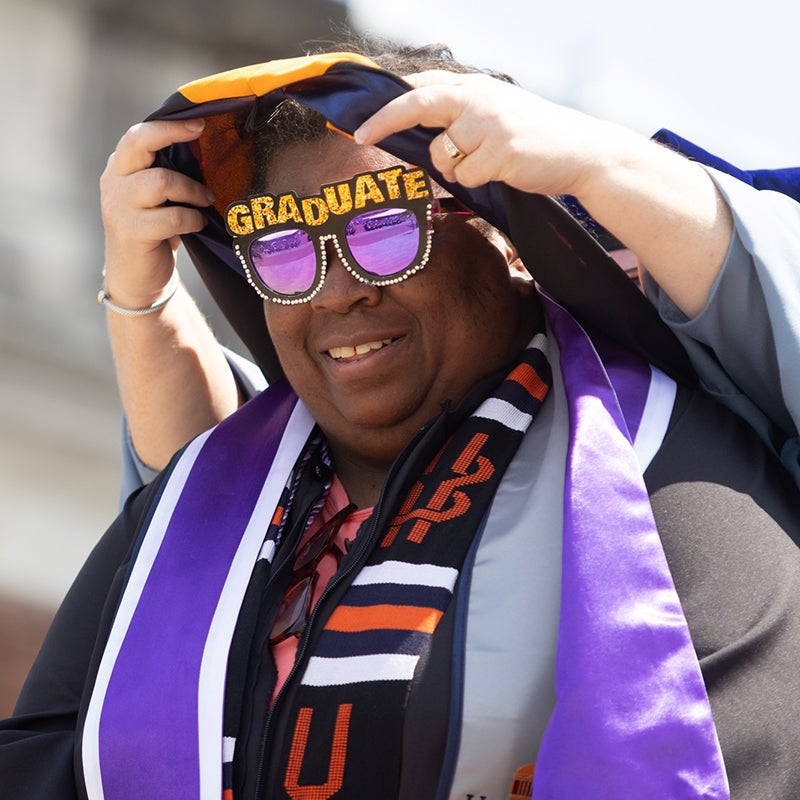
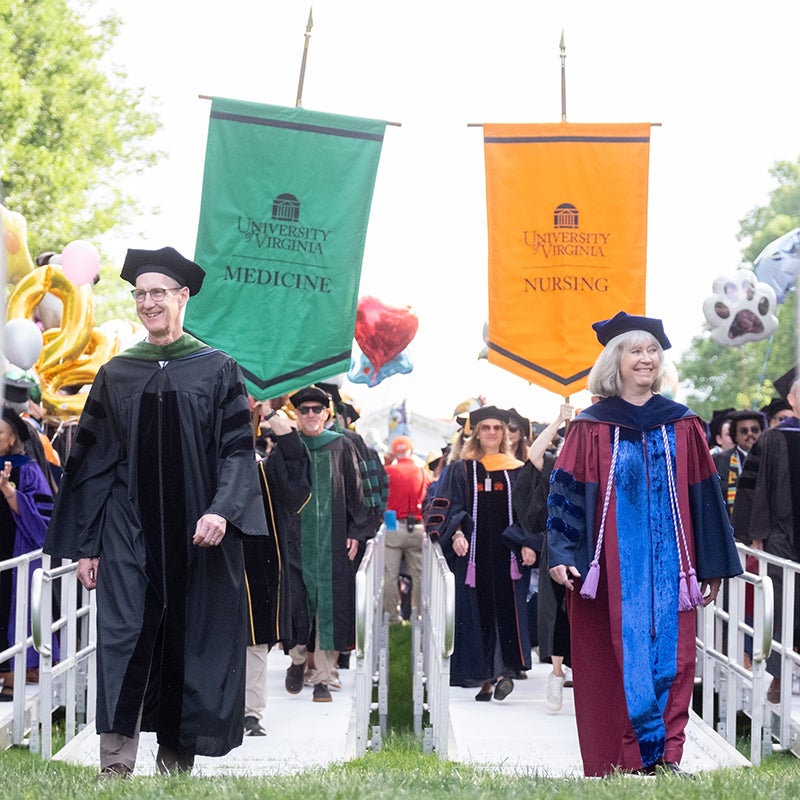
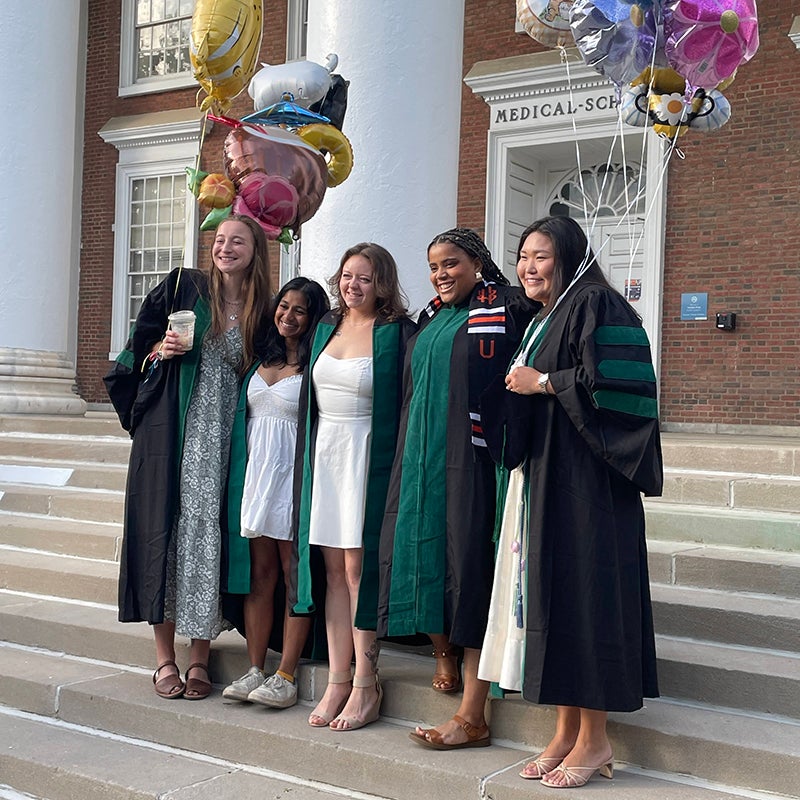
This year, the University of Virginia conferred degrees on 151 Doctor of Medicine students, 41 PhD students, and 100 master’s students within the School of Medicine, and 257 UVA School of Nursing graduates across its undergraduate, graduate, and doctoral programs.
For many in our community, these traditions carry deep meaning — from walks across the Lawn and hooding ceremonies to moments shared with mentors, classmates, families, and friends. They also reflect something larger: the enduring role UVA plays in preparing compassionate clinicians, scientists, nurses, and leaders for a rapidly changing healthcare landscape. We congratulate all of this year’s graduates and thank the faculty, staff, preceptors, and loved ones who supported them throughout their journey.
Who: Ahmad Jomaa, PhD, of UVA's Department of Molecular Physiology and Biological Physics, and collaborators from EMBL Heidelberg in Germany, and contributions from collaborations at Vanderbilt University and Cornell University.
Focus: Understanding how dormant cells “wake up” after periods of stress or nutrient deprivation — a process with important implications for cancer and drug-resistant fungal infections.
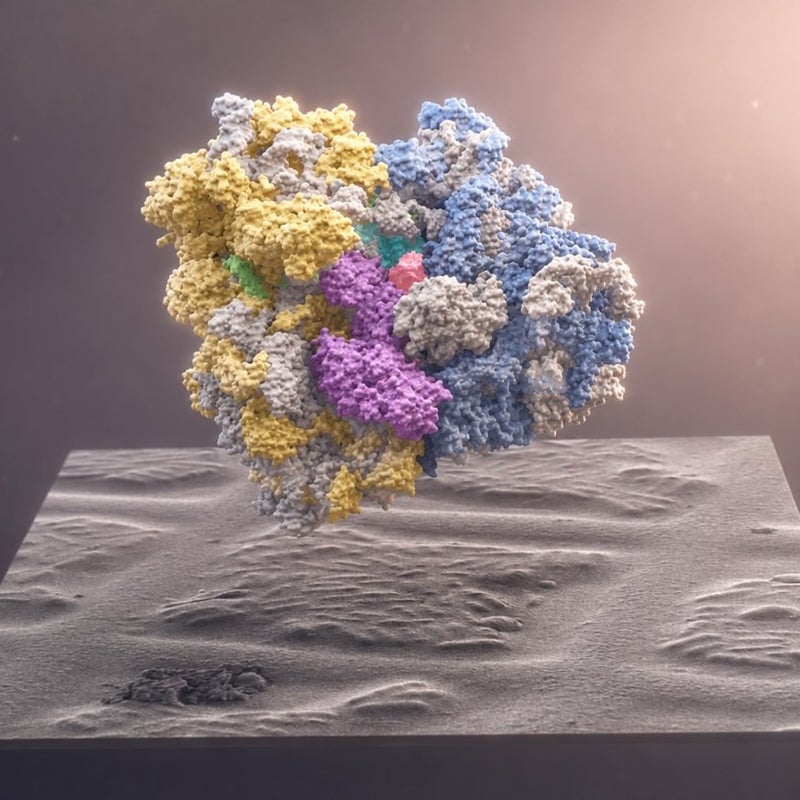
Discovery: UVA researchers identified a previously unknown cellular “restart switch” that helps dormant cells resume activity by reactivating ribosomes, the structures responsible for producing proteins. The newly discovered factor was named “SNOR,” inspired by the sleepy Pokémon Snorlax.
Why It Matters: Cancer cells can sometimes survive treatment by entering a dormant state before reawakening months or years later. Researchers say a better understanding of how cells restart after stress eventually could help scientists develop new ways to prevent cancer recurrence and better treat dangerous drug-resistant fungi.
The researchers detailed their analysis in Nature.