10.15.2026video
Beyond the Badge: A Conversation With Elle Hogan

New UVA Health Children’s asthma research could improve care for children — especially Black children — with severe symptoms that require targeted treatment.
A team of UVA asthma experts found that Black race and ethnicity was the single strongest risk factor for developing harmful inflammation responsible for “T2-high asthma.” Children with this type of asthma tend to suffer from frequent asthma attacks and often have difficult-to-manage symptoms.
The new findings could help identify children with the condition and get them tailored treatments sooner. The results also support testing children with severe, difficult-to-treat asthma — regardless of their race — for high levels of T2 inflammation, UVA experts say.
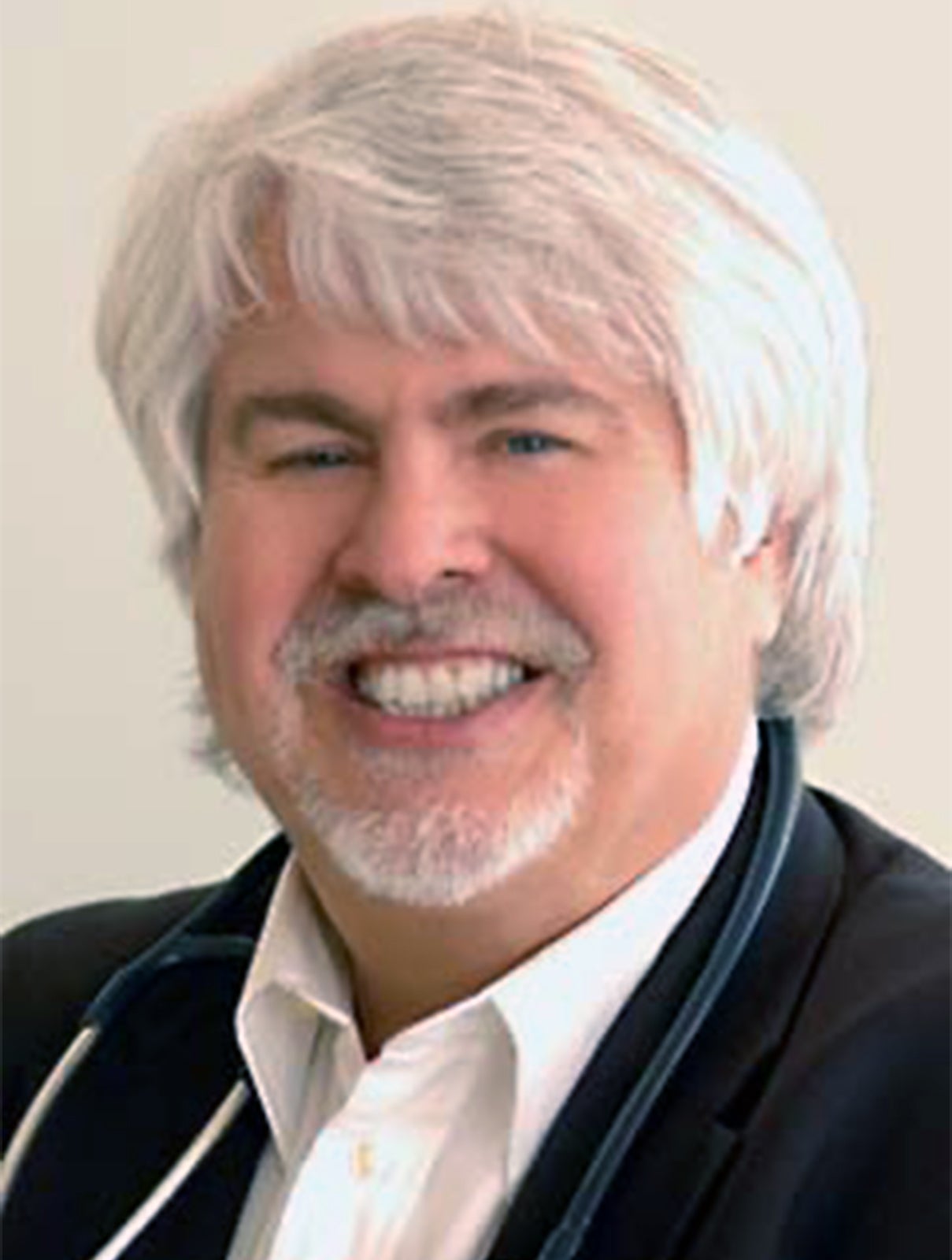
“For decades, we knew that Black children had more adverse outcomes from asthma across the U.S. Most of the research attributed this to environmental and social disparities. We learned instead in a study that was adjusted for air quality, income, and urban residence that Black race by far was the most important predictor of type 2 pattern inflammation,” says researcher W. Gerald Teague, MD, a pediatric pulmonologist and asthma expert at UVA Health Children’s and UVA School of Medicine. “The results support greater awareness of poor symptom control and earlier intervention with therapies known to target type 2 inflammation in all children with asthma, with special attention to children of color.”
Harmful Asthma Inflammation
Black children are much more likely to die of asthma than white children, and they are known to suffer T2 inflammation at higher rates. But doctors have struggled to determine if race drives this disparity, or if there are other factors, such as environmental pollution or family income, that could be contributing.
This prompted UVA researchers to investigate the factors that influence T2 inflammation. They looked at more than 450 children with either T2-high asthma and T2-low asthma. These children came from a broad geographic area of Virginia that includes both rural and urban areas, helping the researchers assess how much of a role environment might play.
The scientists determined race was the No. 1 predictor of high levels of T2 inflammation. Based on their subsequent analysis, researchers say they are confident that race and ethnicity are contributing to a child’s chances of developing T2-high asthma.
The research team also looked at the development of T2-high asthma over time and found interesting correlations with age. By preschool, more than a third had developed T2-high asthma, climbing to more than half by kindergarten.
This has important implications for the care doctors provide children with difficult-to-treat asthma, UVA experts say. First, they recommend that physicians consider Black children at elevated risk for T2-high asthma. Second, they suggest blood and allergen testing for any child with asthma symptoms that are difficult to manage.
By understanding if T2 inflammation is driving asthma, doctors will be better positioned to tailor treatments to improve outcomes and help children live happy, healthy lives.
“We hope this puts to rest the myth that environmental and social factors are the main drivers of asthma severity,” says Dr. Teague, UVA Pediatric Asthma Center of Excellence. “The real emphasis for providers is to consider every child with asthma as unique, and to implement care plans that target the pattern of inflammation and integrate treatment with lifestyle and family expectations.”
Finding better ways to treat complex diseases is a major mission of the new UVA Paul and Diane Manning Institute of Biotechnology. The institute aims to more quickly translate UVA’s cutting-edge science into new drugs and treatments to benefit patients across Virginia and beyond.
Findings Published
The UVA asthma researchers have published their findings in the Journal of Allergy and Clinical Immunology: In Practice. The research team consisted of Dr. Teague, Ava Noth, Marina Lynch, Aaron J. Stein, Ahsen Asikar Morgul, Thomas Offerle, Kristin Wavell, Kathrine Baldwin, Brittany Wall, Hailey C. Cox, Mackenzie Elward, Michael Trask, Marthajoy Spano, Elaine Etter, Benjamin Aunins, William T. Brand, Ariana G. Greenwell, Denise L. Jackson, Stephen V. Early, Jeremy Middleton, Craig McKinney, Cameron D. Griffith, and Larry Borish.
The researchers have no financial interest in the work.
To keep up with the latest medical research news from UVA and the Manning Institute, bookmark the Making of Medicine blog.