10.26.2026
Seen, Safe, and Cared For: Learn Why Patient Hails UVA Health Nurse as ‘Someone Truly Special’
Movement is a measure of health. No one knows this better than UVA Health Chair of Orthopedic Surgery Bobby Chhabra, MD. He’s dedicated his career to restoring patients’ mobility — and devoted almost two decades to moving UVA Health Orthopedics forward.
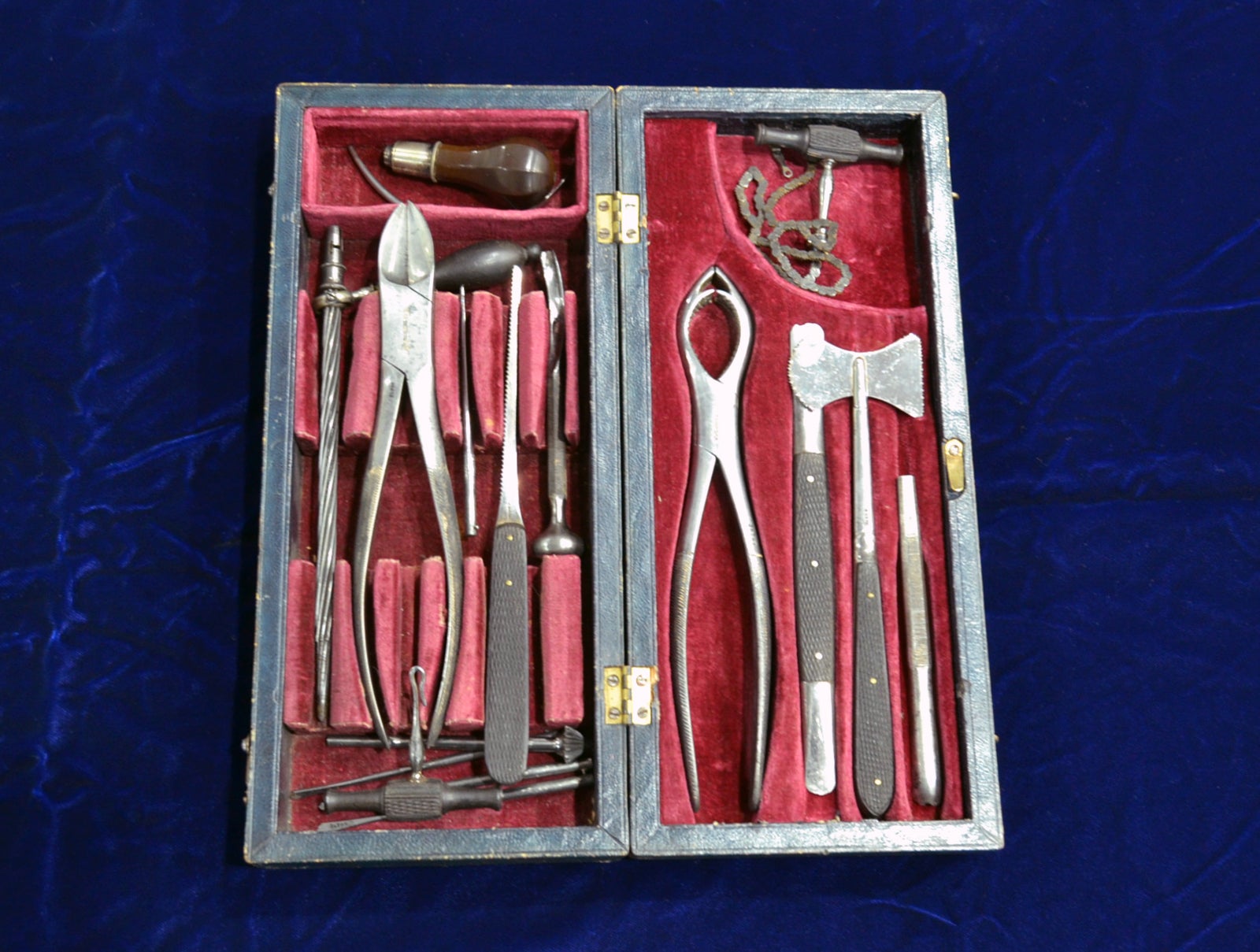
As we mark the 100th anniversary of UVA Health Department of Orthopedics, we celebrate each small step and every giant leap forward that has allowed us to become an internationally recognized center for orthopedic care, education, and research. And we honor the thousands of team members across multiple generations who have helped establish a culture rooted in excellence, innovation and collaboration — a culture that continues to propel this program forward each and every day.
To keep pushing the boundaries of what is possible in the years ahead, Dr. Chhabra says this culture is key. “We are truly a department that excels in all of our missions, and it's because of the people and our culture,” he says.
Below, Dr. Chhabra walks us through some of the department’s milestone moments over the past century and shares how these accomplishments continue to help advance orthopedic medicine at UVA Health and across the nation.

Allen F. Voshell, MD, establishes the Department of Orthopedic Surgery at the University of Virginia.
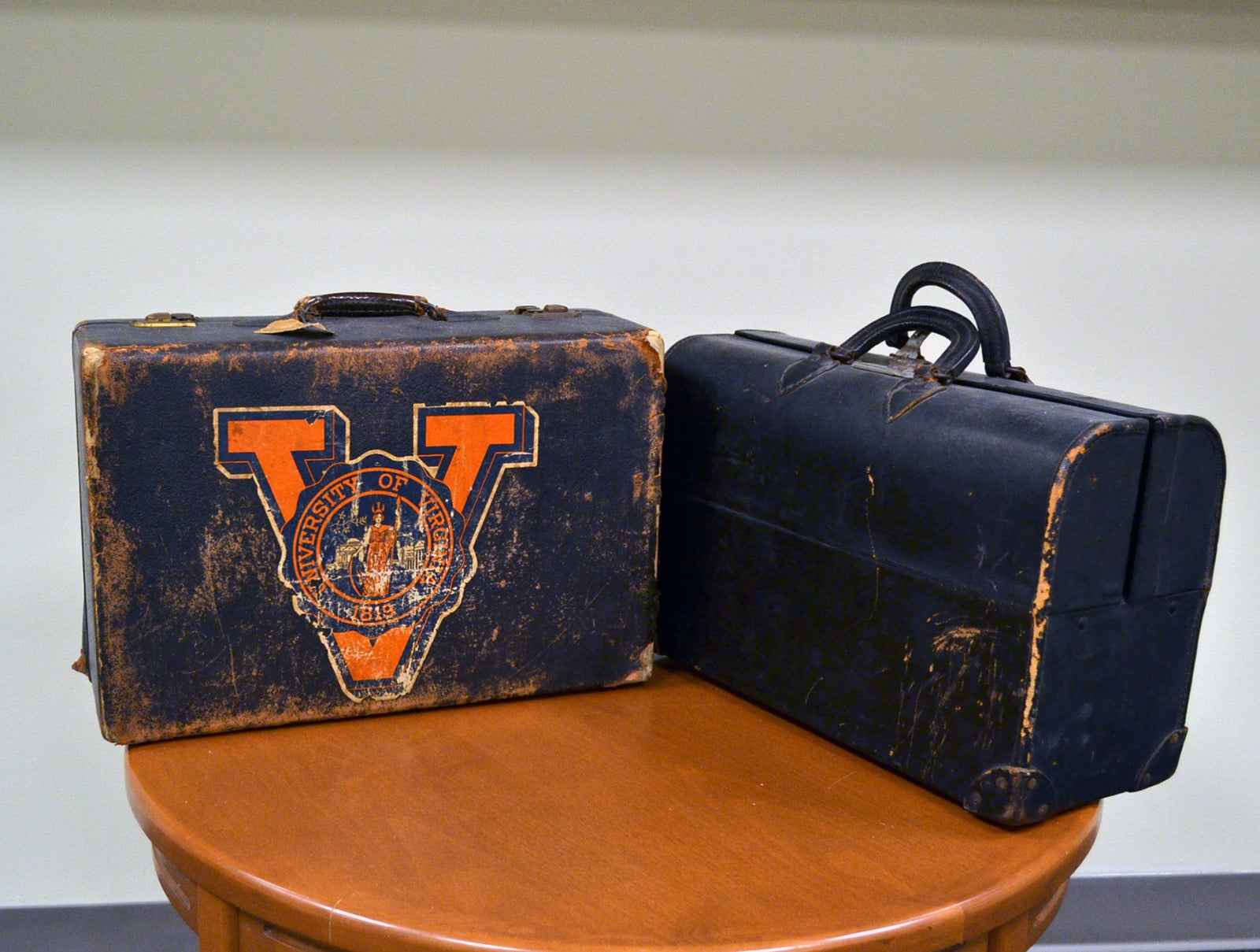
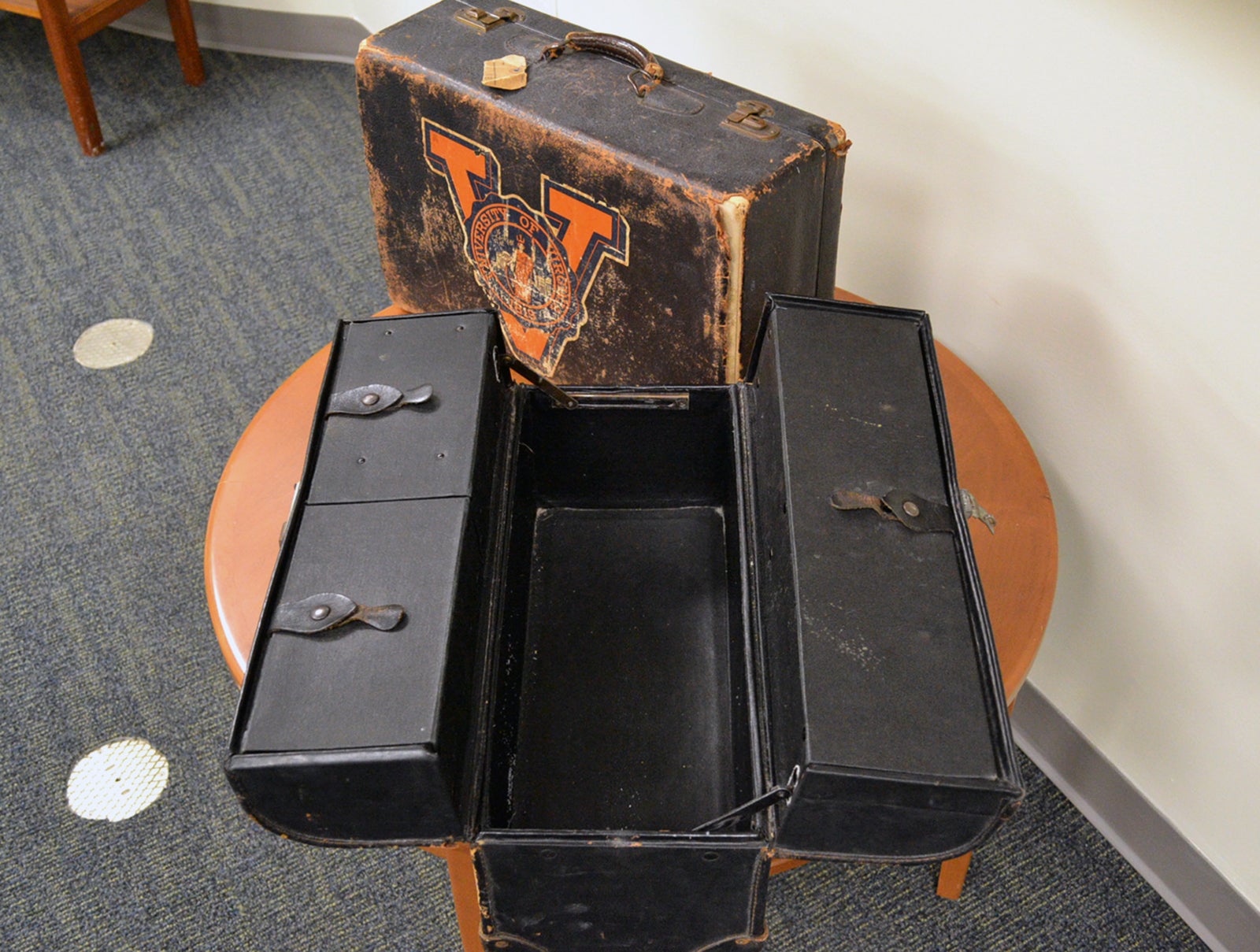
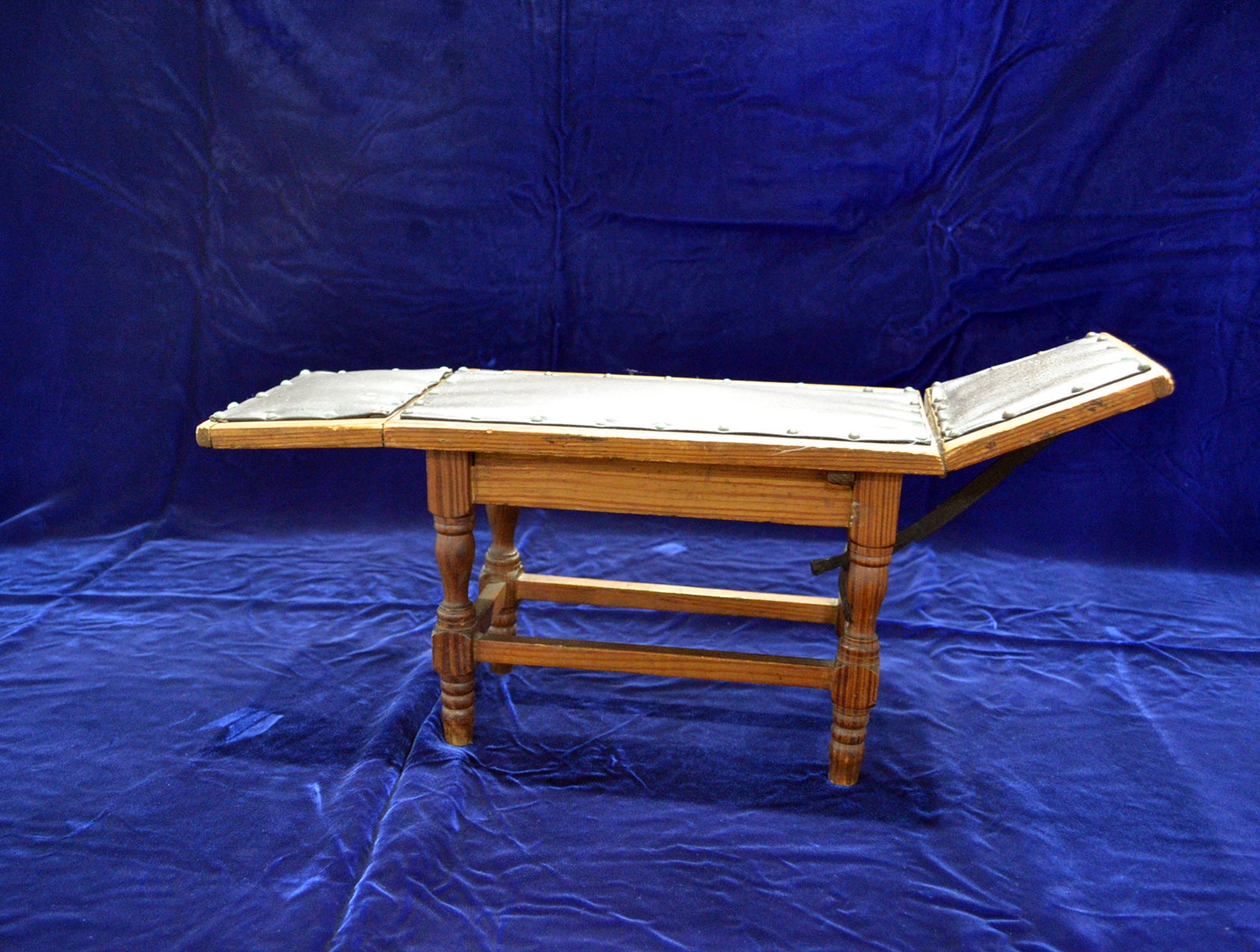
Above: UVA suitcase (undated) and physician's case (1910)
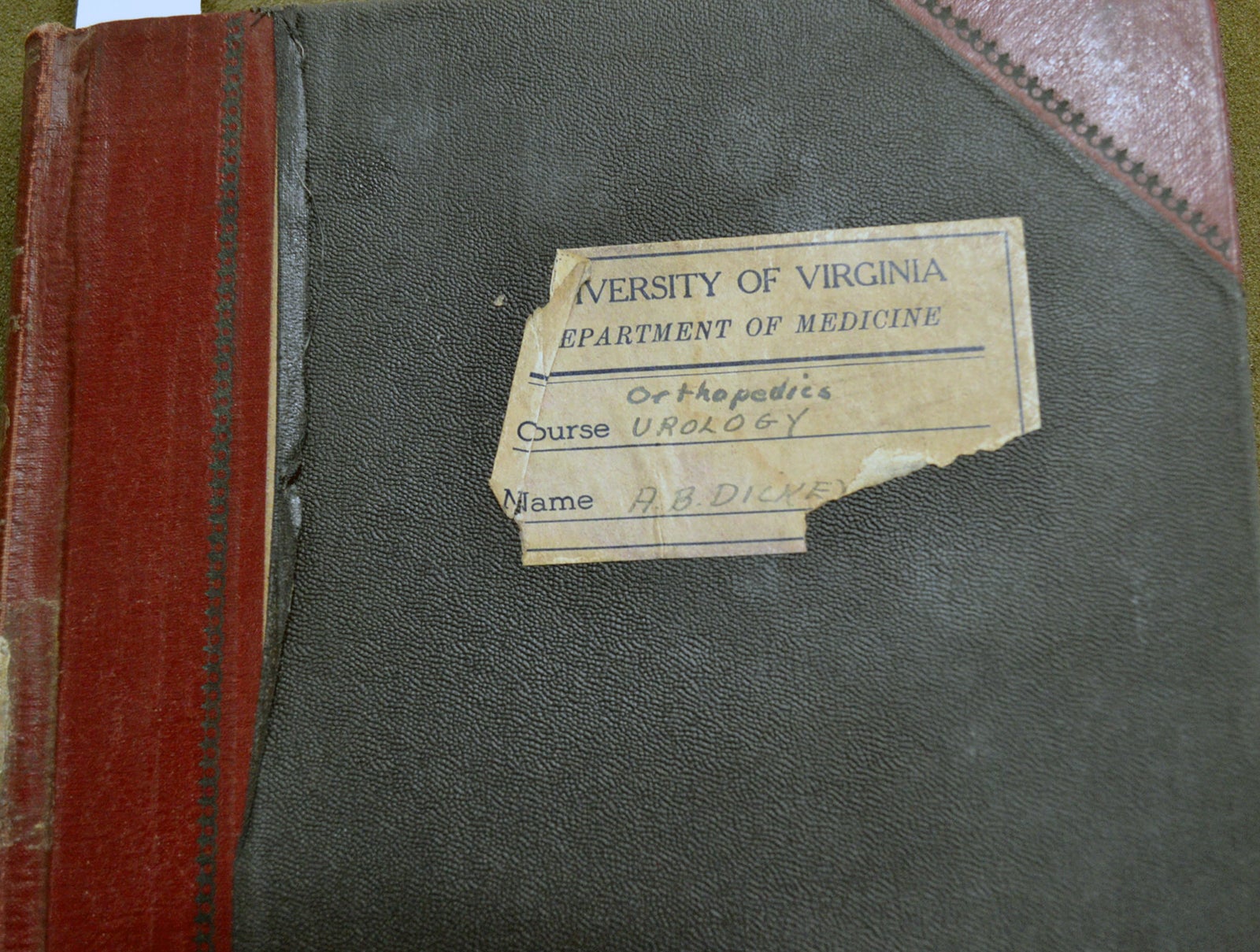
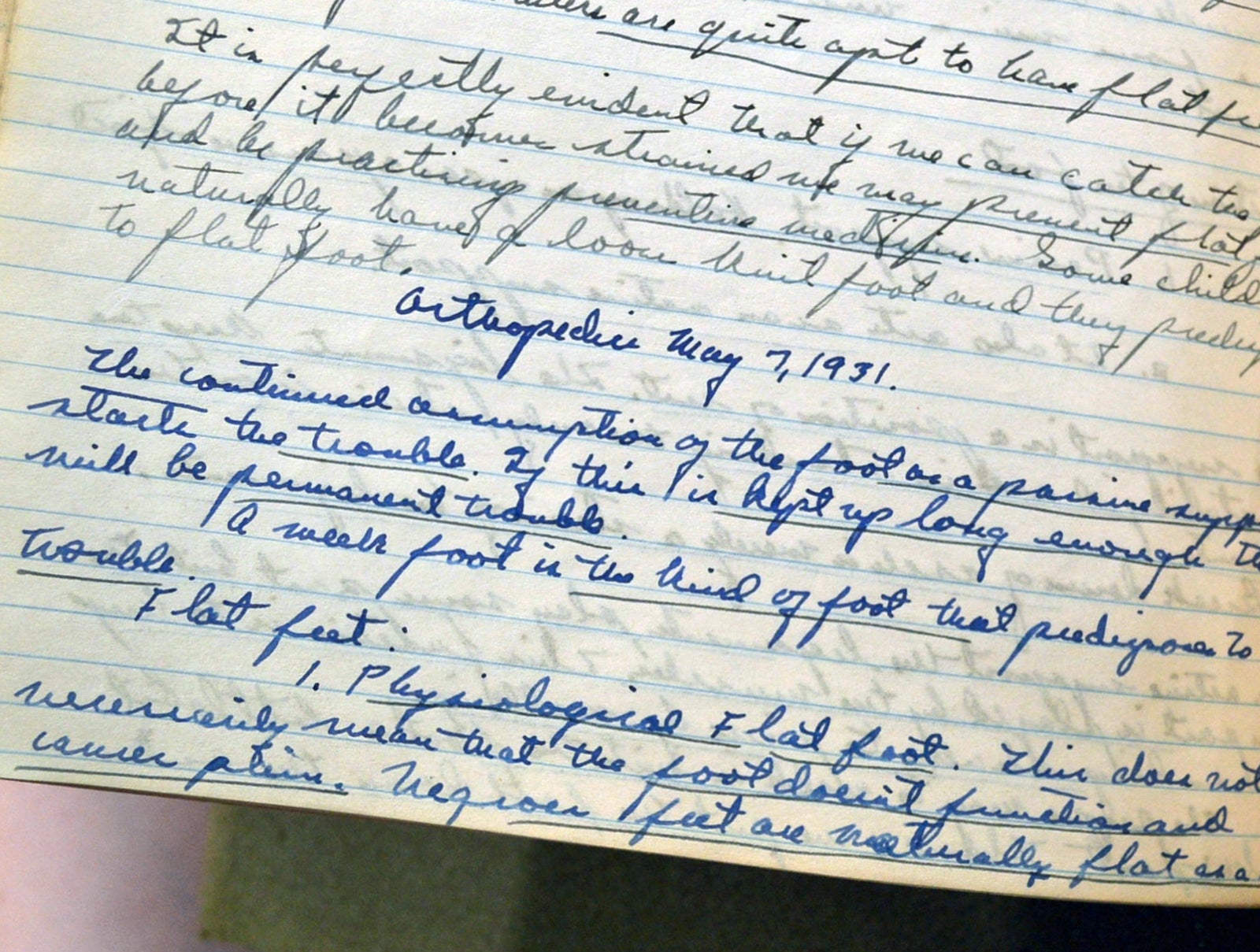
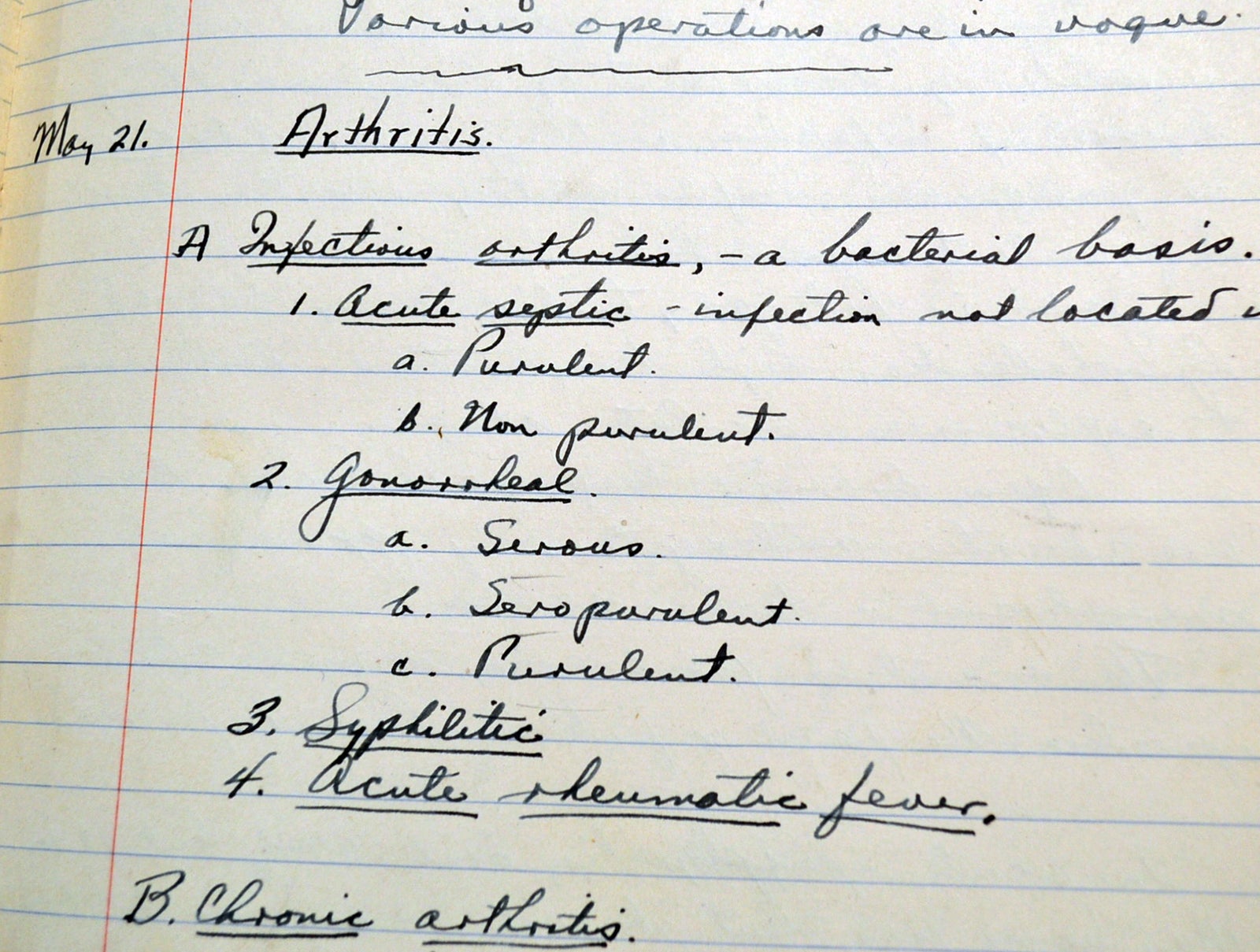
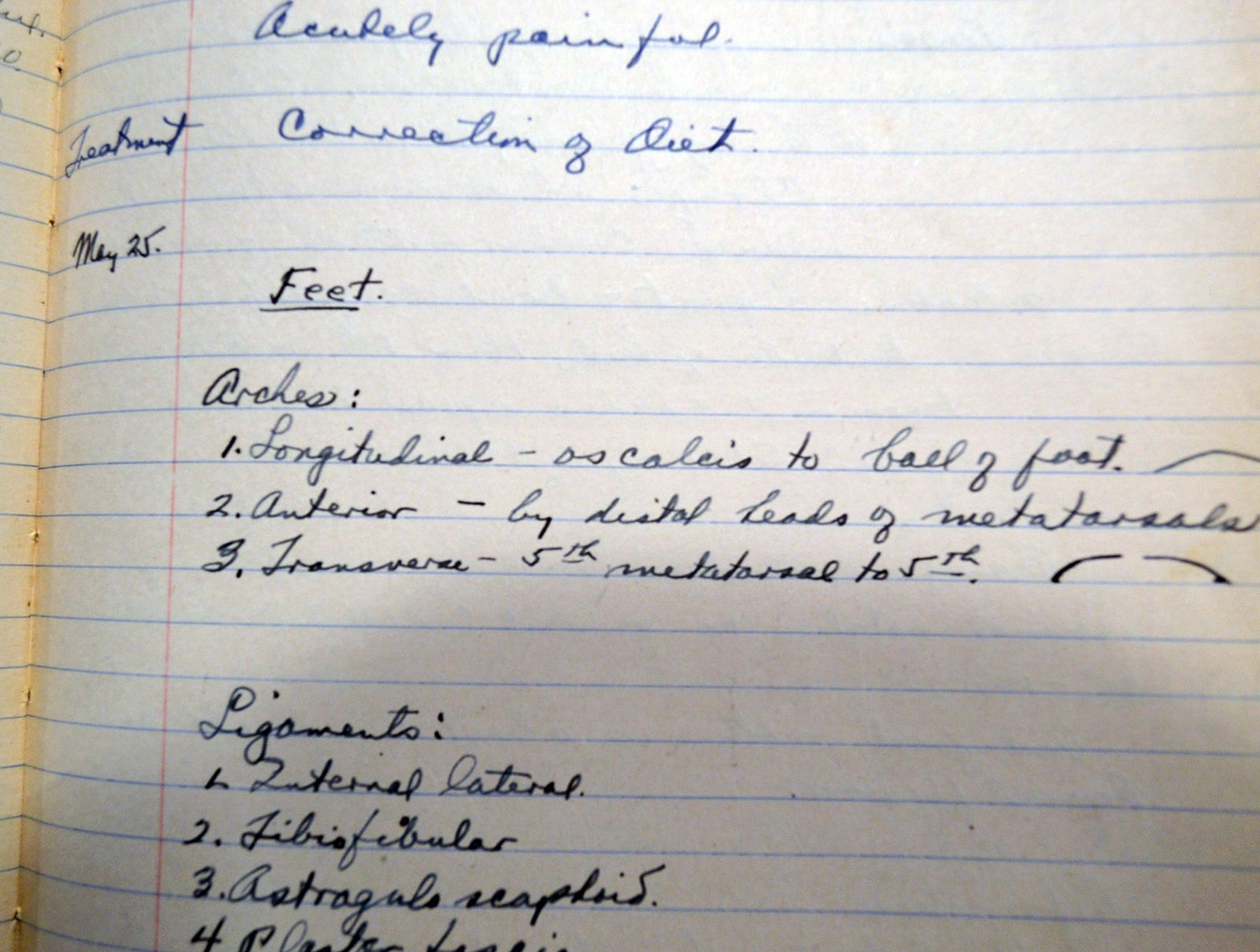
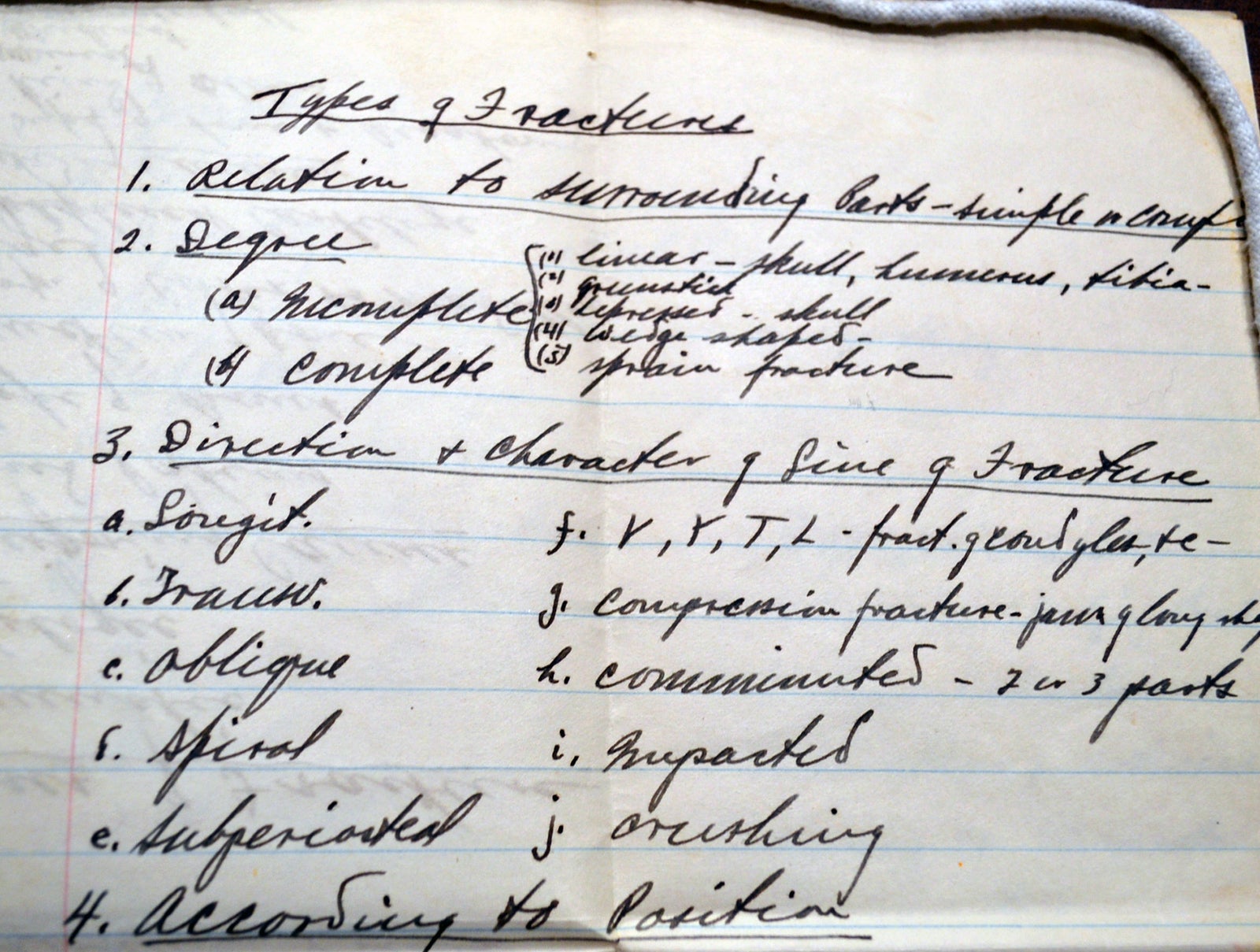
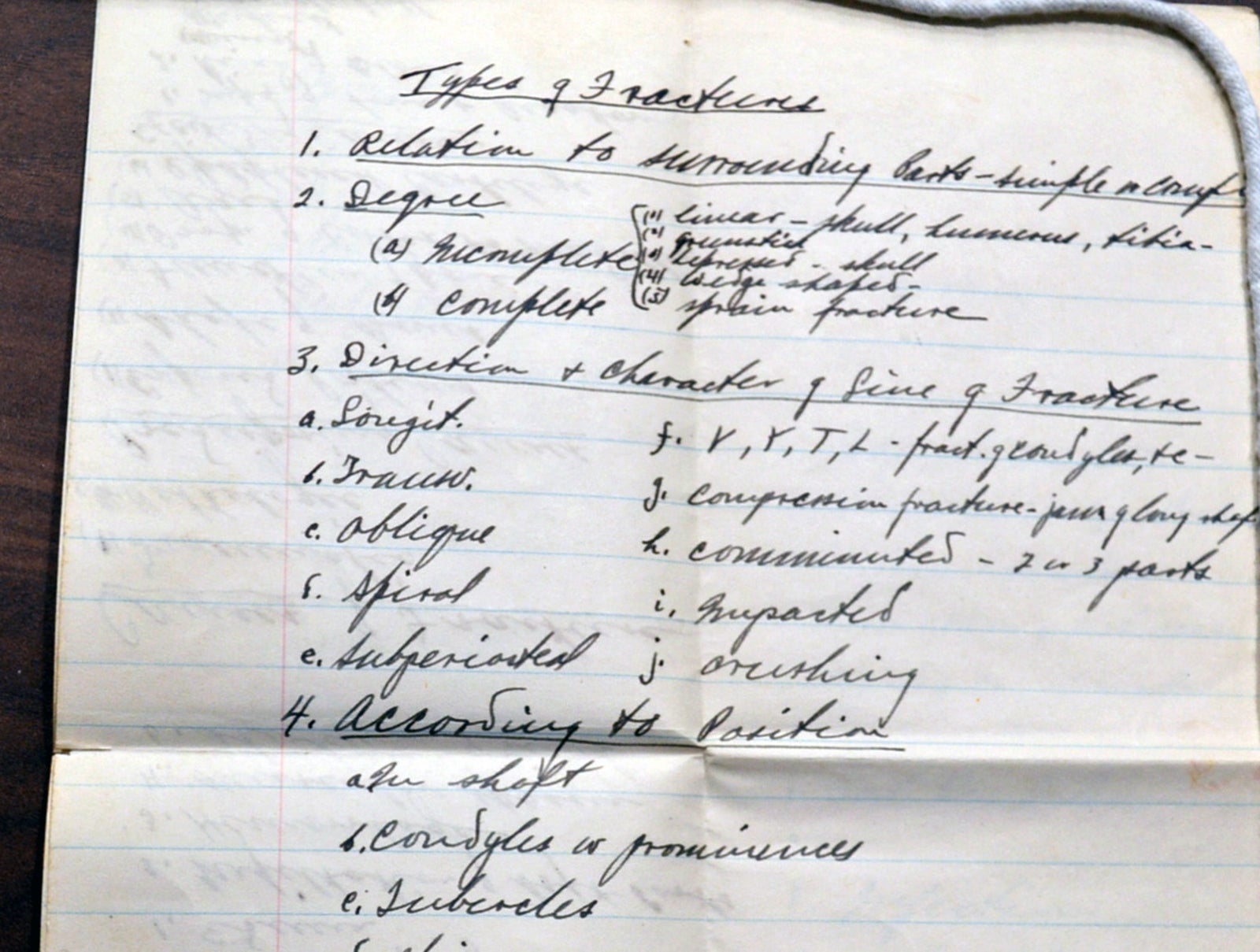
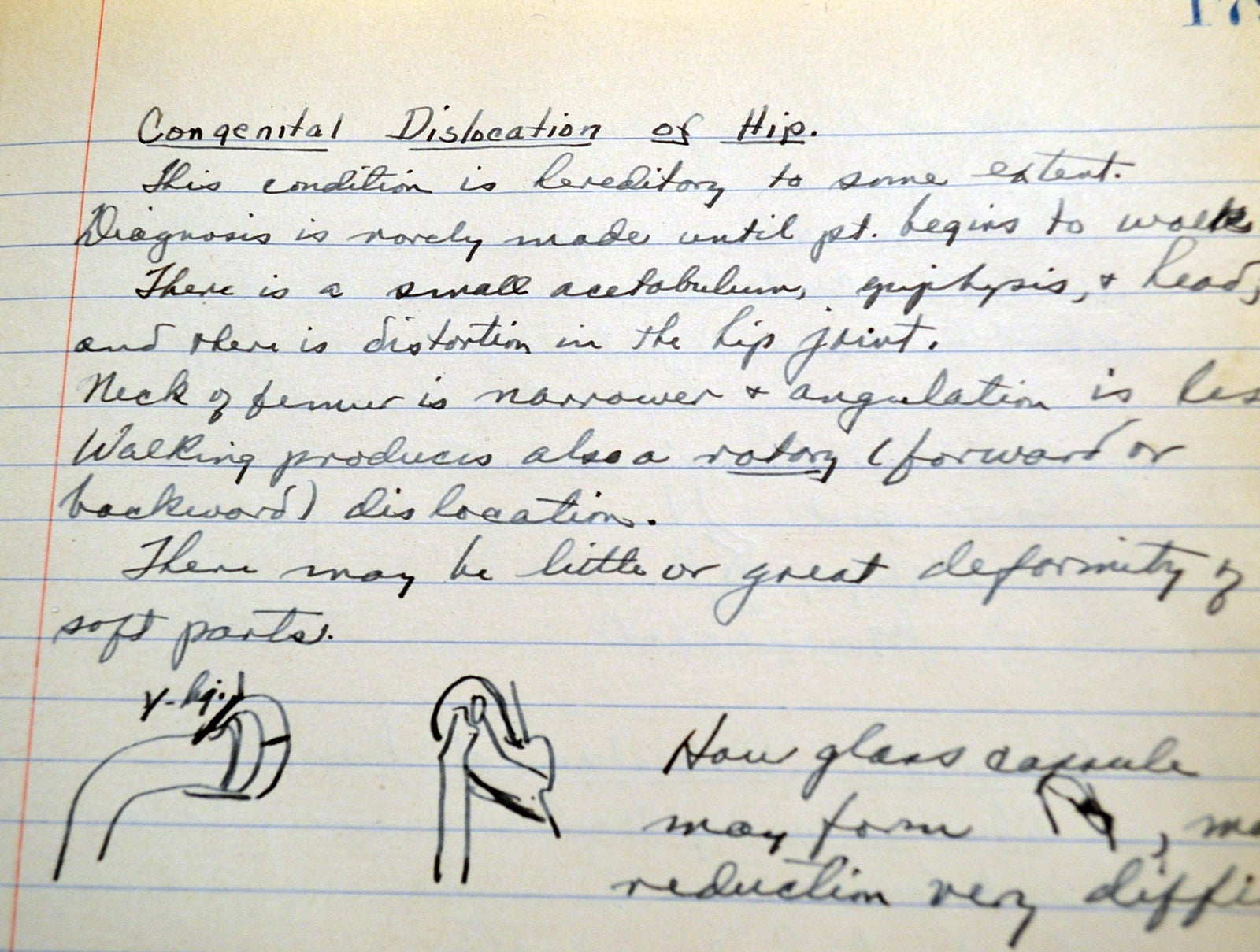
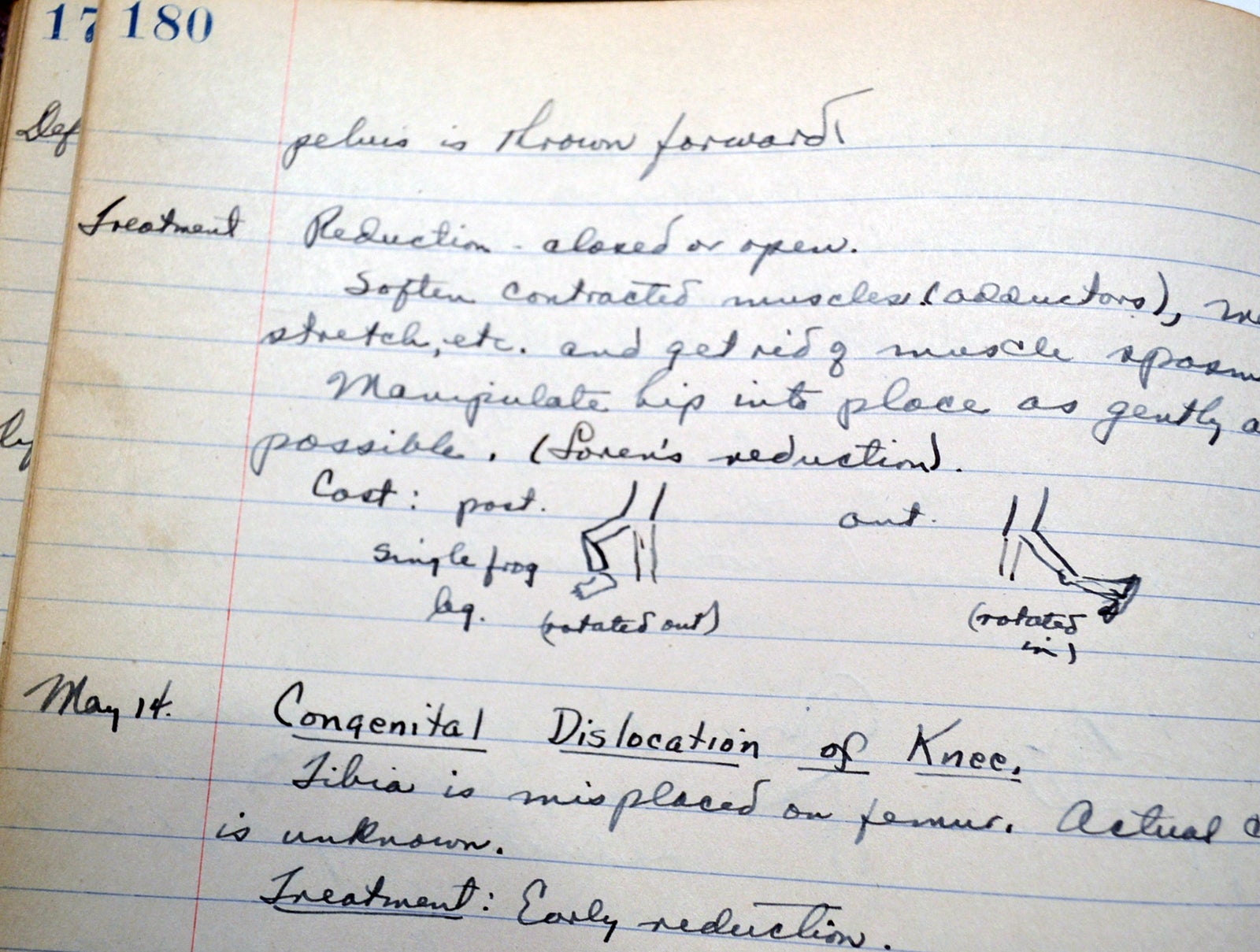

Above: Pages from various student notebooks; orthopedic notes, 1925-1942.
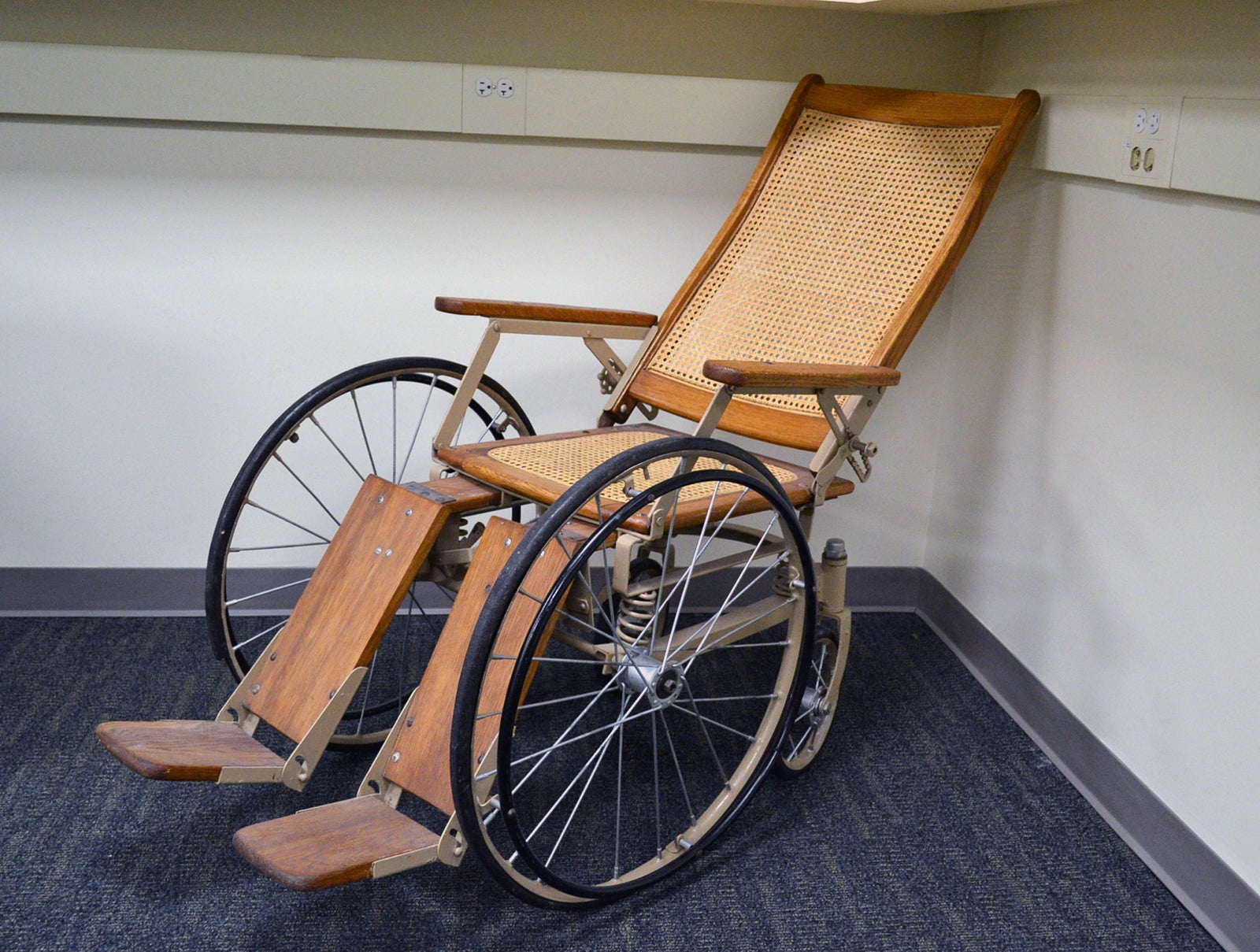
Robert Funston, MD, takes on the role of Chair of the Department of Orthopedic Surgery in 1932. He is succeeded by J. Hamilton Allen, MD, in 1949.
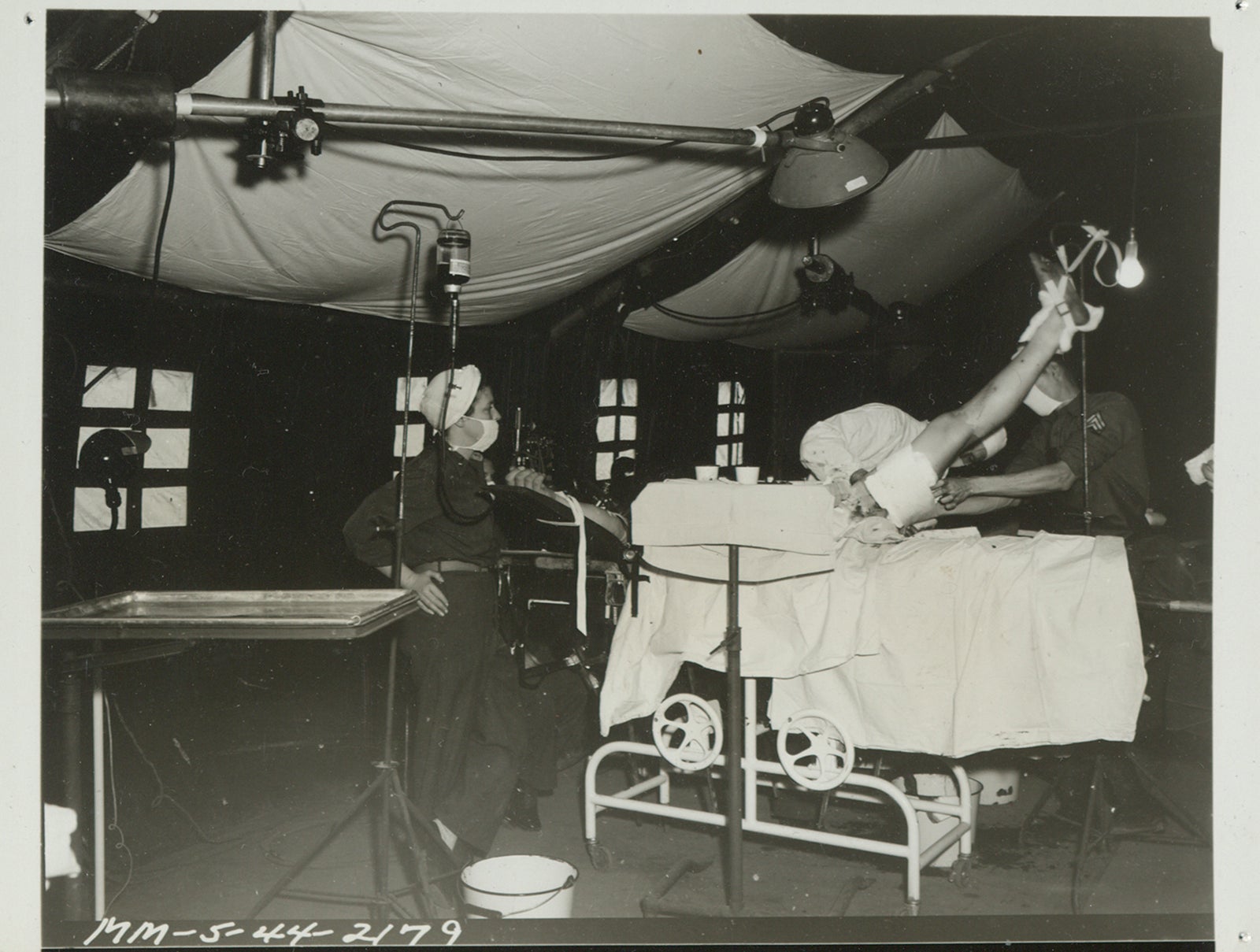
The Department of Orthopedic Surgery Residency Training Program launches, establishing a pipeline for training future orthopedic surgeons.
“Our team members understand that teaching and mentoring are among the most important things we do every day. This is why we are so successful and why we have some of the top orthopedic residency programs and some of the top orthopedic fellowship programs in the country.” — Dr. Bobby Chhabra

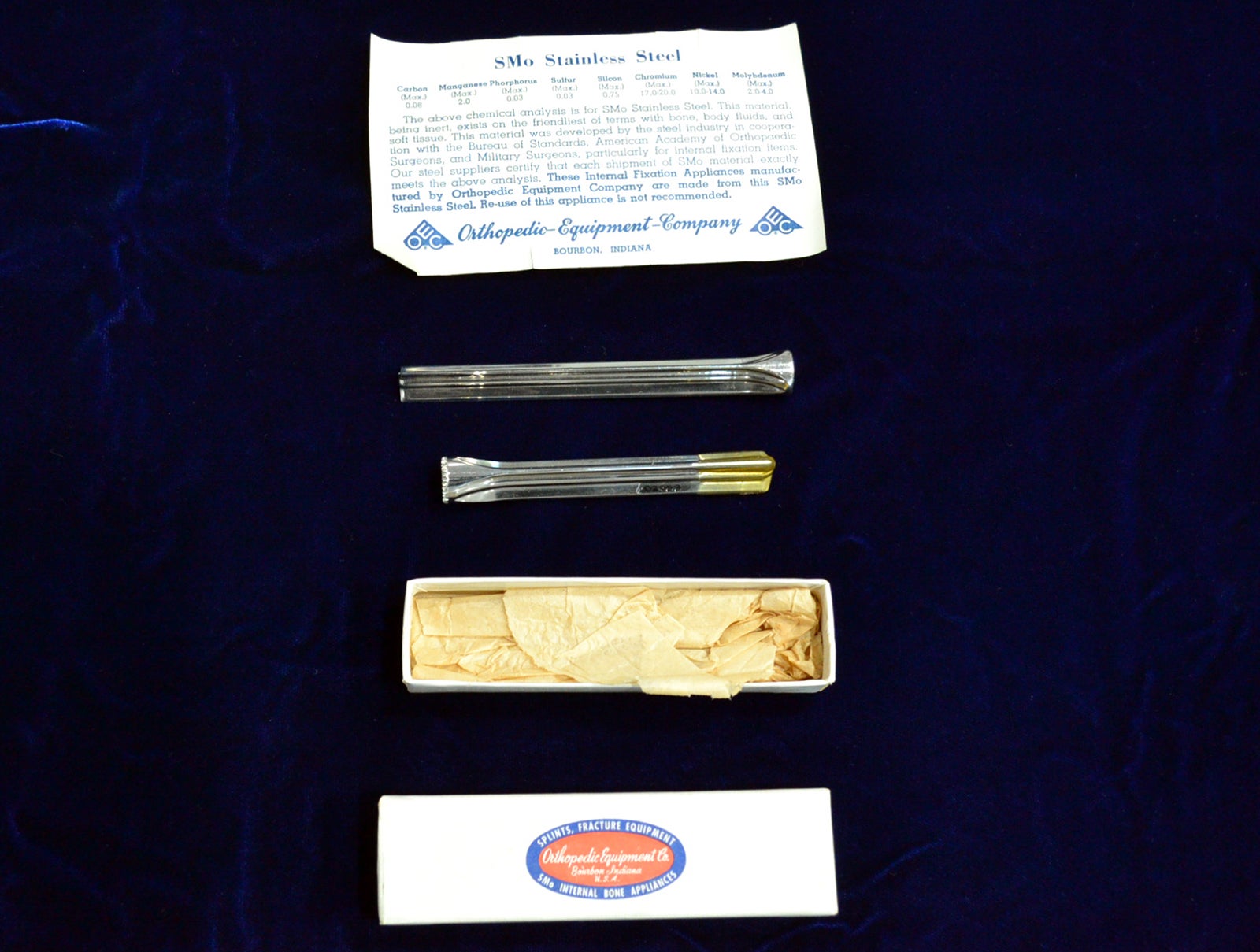
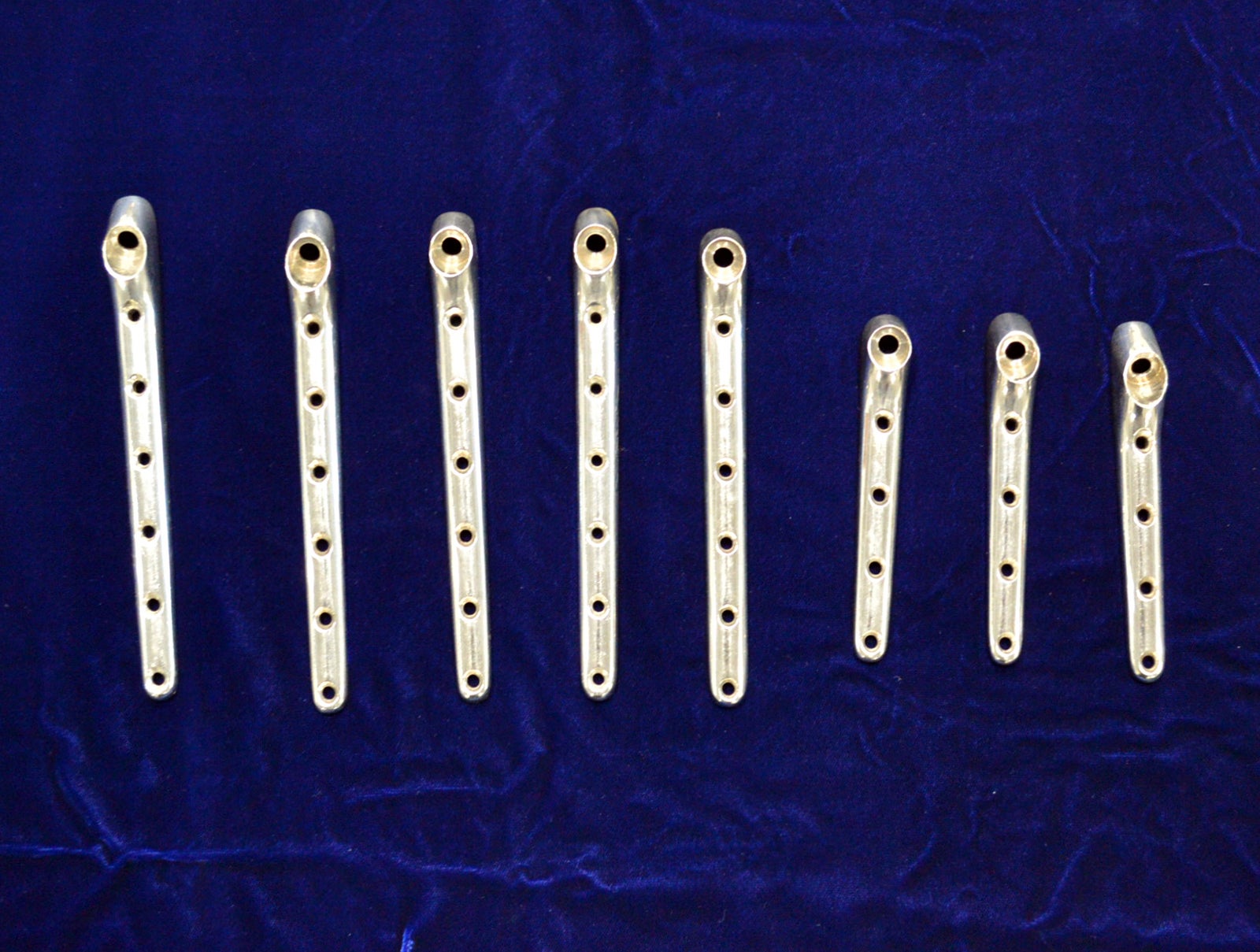
Frank C. McCue III, MD, arrives at UVA and begins caring for Cavalier athletes, collegiate, and high-school athletes throughout Virginia, as well as professional athletes. A sports medicine pioneer, Dr. McCue would care for UVA athletes for more than 40 years. Dr. McCue established the Division of Sports Medicine, as well as the Division of Hand Surgery.
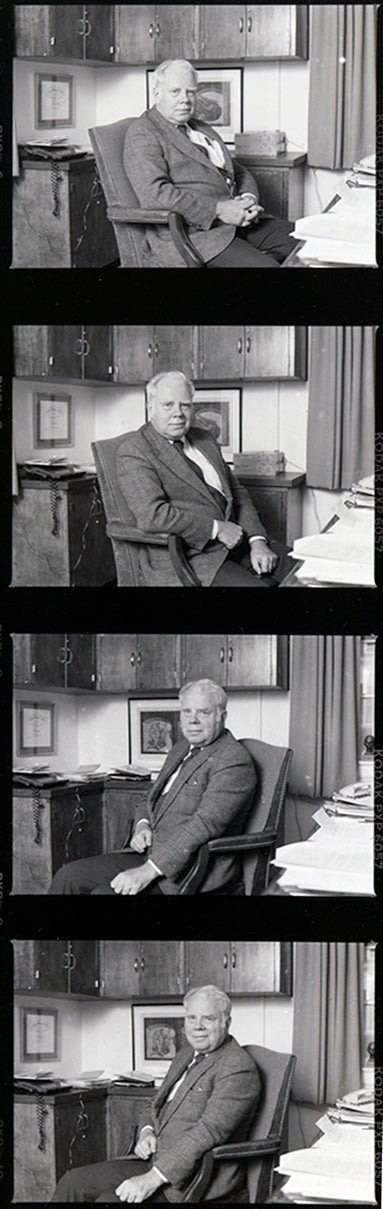
Warren G. Stamp, MD, becomes the department’s fourth chair. During his tenure, he strengthens the department’s focus on education and training, research, and clinical excellence, which remain cornerstones of the program, providing a solid foundation for our generational success.
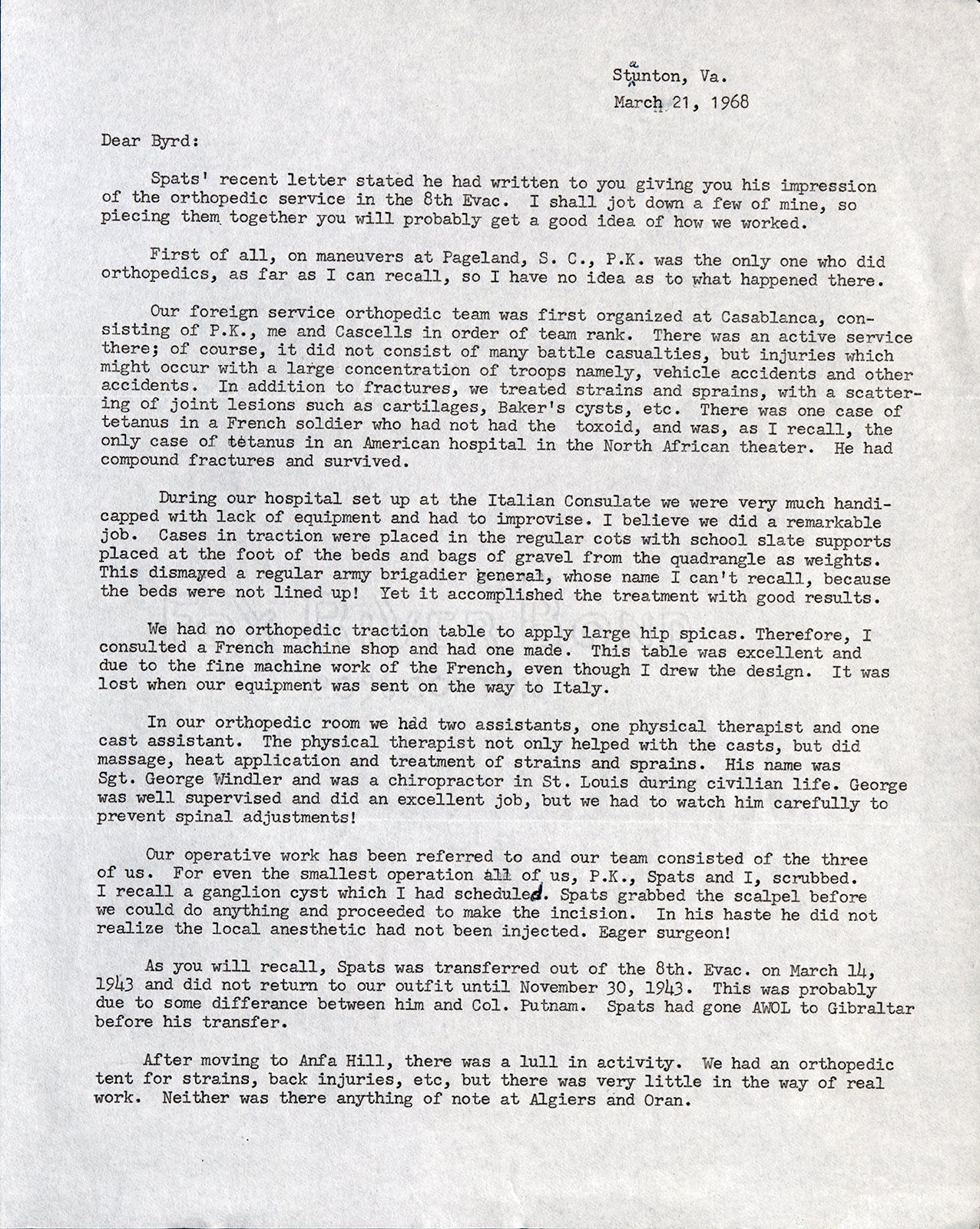
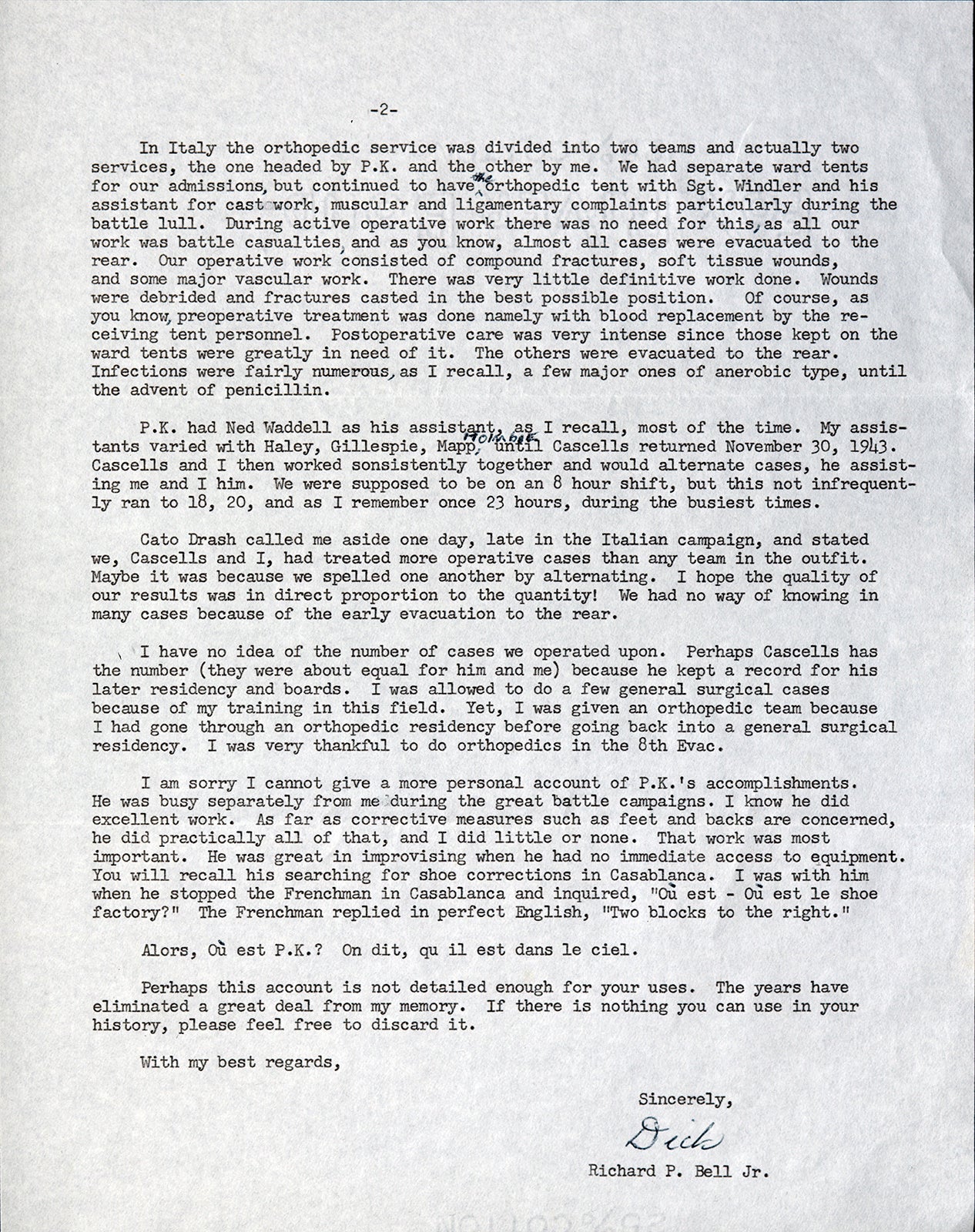
Above: Letter from Richard P. Bell to Byrd S. Leavell concerning Bell’s recollections of orthopedic service in the 8th Evacuation Hospital (1968)
Dr. Stamp acquires a private prosthetics and orthotics business, which would later become the UVA Health Prosthetics and Orthotics Division.
This decade saw the recruitment of several key figures who helped advance orthopedics at UVA Health. Wilton Bunch, MD, led the way in pediatric spinal surgery. Edith Schwartz, PhD, became the department’s first orthopedic research laboratory director. She joined scientist and clinician Roby Thompson, MD, on projects investigating the biochemistry of articular cartilage, helping take joint replacement surgery to the highest levels achievable at that time.
Robert McLaughlin, MD, who served as the department’s vice chair, was part of a team that performed one of the early cemented total joint replacements in the U.S.
“We've had so many big names in this department over the years. They were the foundation. They say, ‘you stand on the shoulders of giants.’ Where we are today is because of the giants that preceded us and really started the building of this department.” — Dr. Bobby Chhabra
Biomedical researcher Gary Balian, PhD, and colleagues provided landmark insights into bone repair by demonstrating that Type X collagen is synthesized during endochondral ossification in fracture repair, helping define its association with cartilage maturation and bone formation during healing.
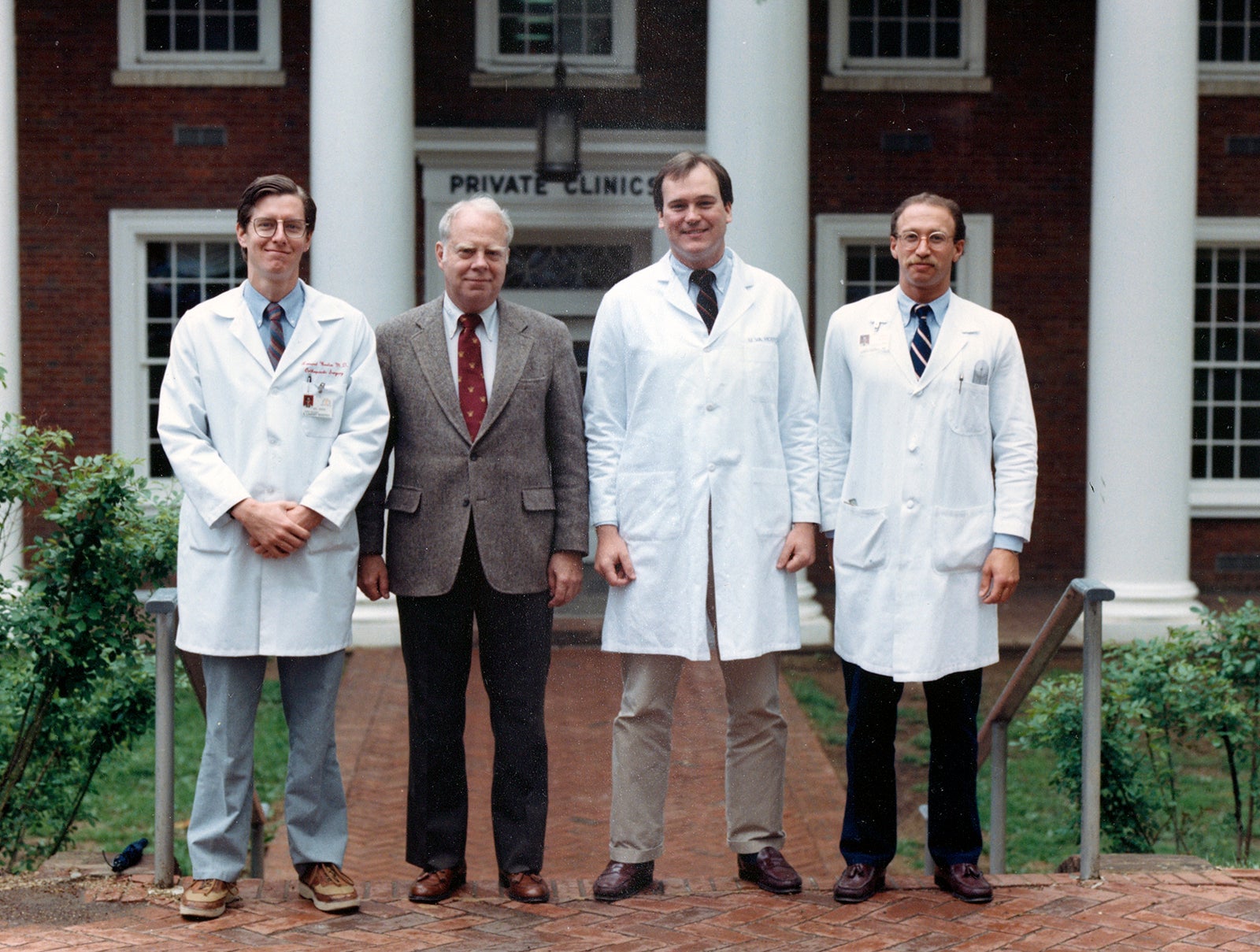
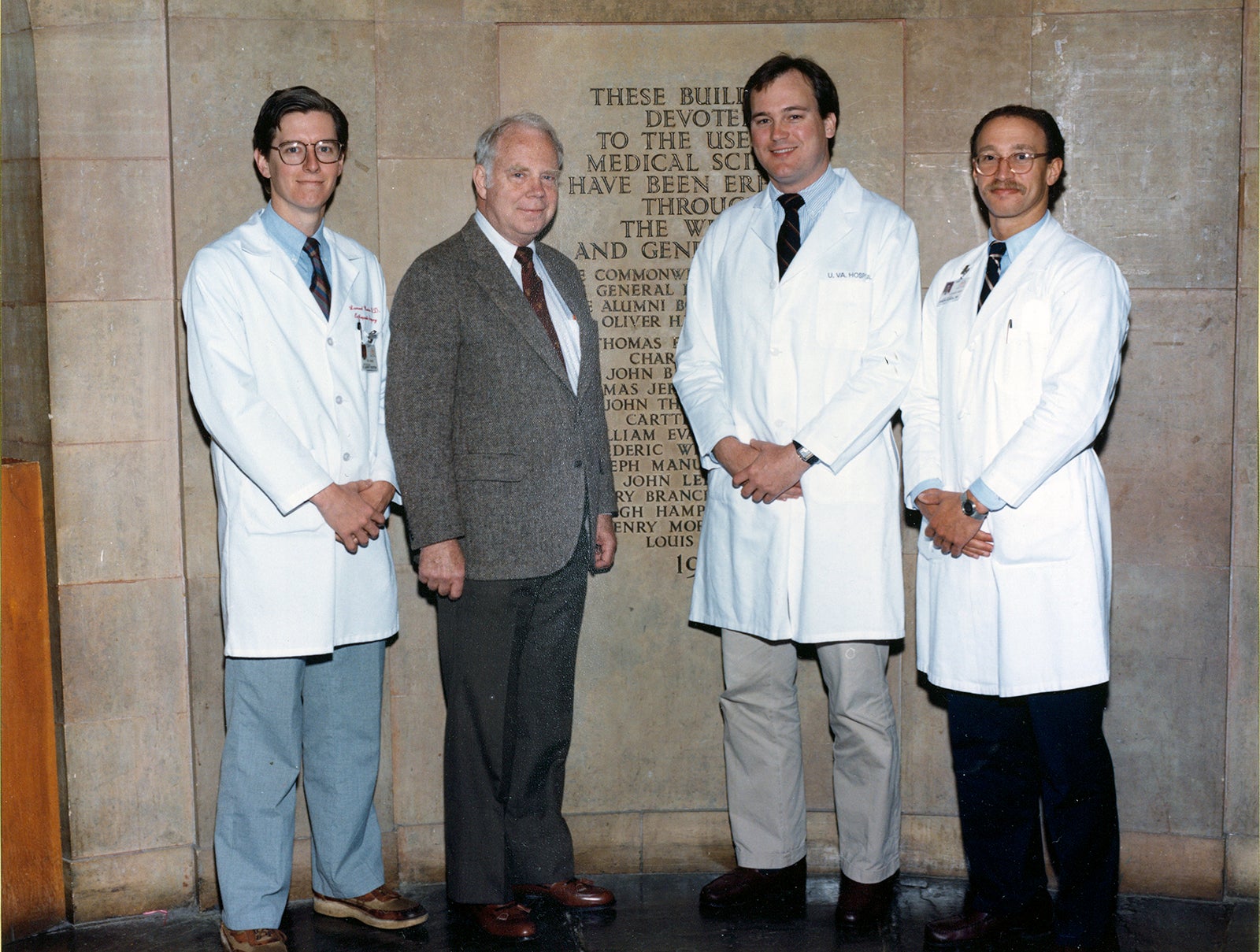
Above: Warren Stamp (center, left) and orthopedic surgery team members (undated photos)
UVA Medical Center opens. It is the first hospital in the country with the capability to perform 3-D computer-guided and virtual fluoroscopic pelvic and extremity surgery.
UVA opens the Motion Analysis and Motor Performance Lab, which will later become an internationally recognized center for analyzing human movement, with a particular focus on children with cerebral palsy.
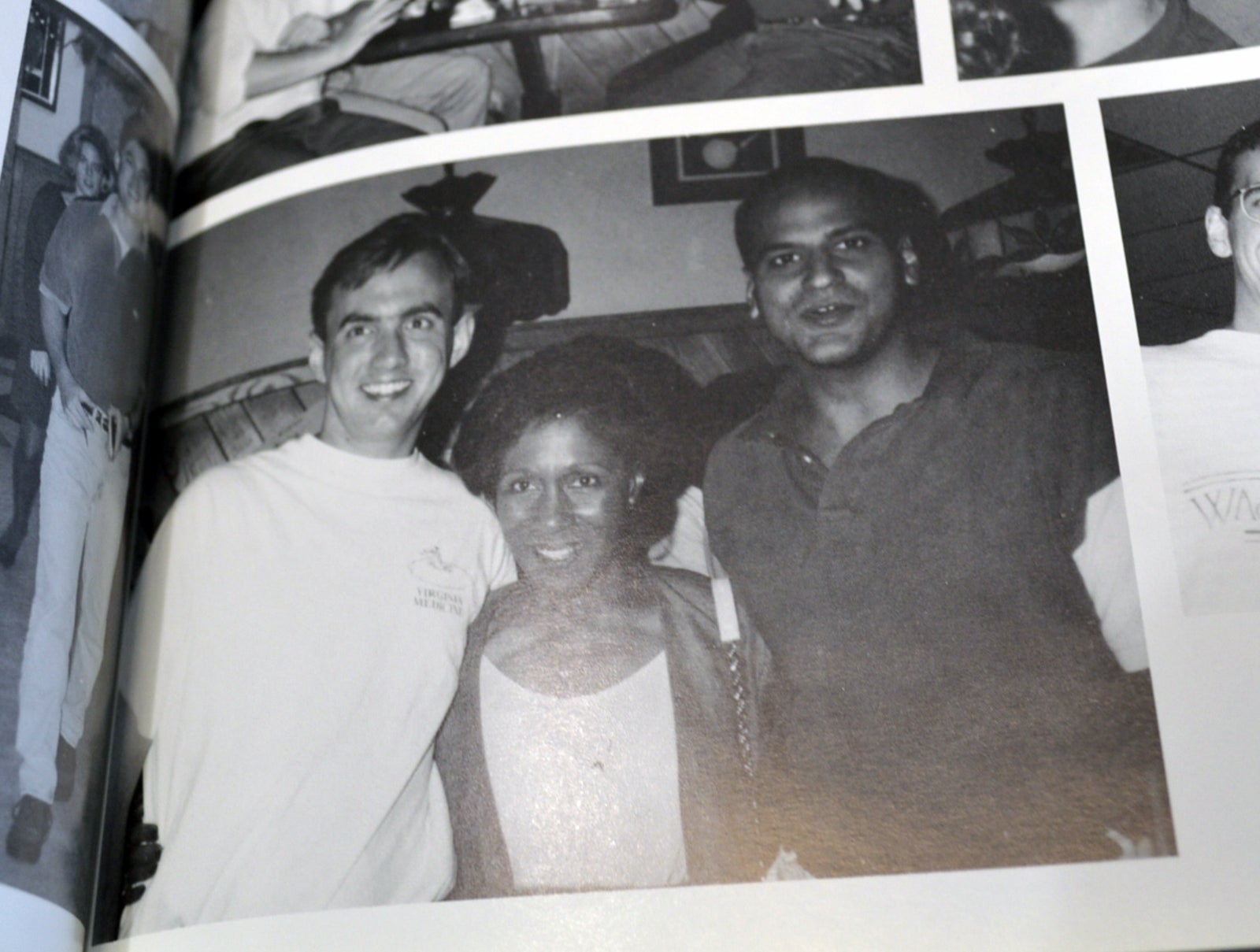
UVA dedicates the Frank C. McCue Center, the athletics support facility named in honor of the sports medicine pioneer.
As department chair, Gwo-Jaw Wang, MD, expands the department to include13 full-time orthopedic surgeons and four PhD research personnel, broadening the department’s research capacity. He adds the Divisions of Foot and Ankle and Orthopedic Oncology, signaling a growing emphasis on comprehensive subspecialty care. Dr. Wang also adds the adult reconstruction and spine fellowships.
Cato T. Laurencin, MD, arrives as department chair. With a background in biomedical engineering research, Dr. Laurencin establishes the University Research Center for Musculoskeletal Repair.
A multidisciplinary UVA team led by Dr. Laurencin received a first-of-its-kind, $2 million National Science Foundation (NSF) Emerging Frontiers in Research and Innovation award to develop novel biomaterials and tissue-engineering approaches for musculoskeletal regeneration.
“We’re now doing a lot of work with the most advanced technologies to heal musculoskeletal tissue, from tendon to nerve to bone, to accelerate healing to provide better outcomes after traumatic injuries, and we are advancing the field in ways that other institutions are not.” — Dr. Bobby Chhabra
Mark F. Abel, MD, an orthopedics faculty member for 16 years, becomes the department chair after serving as interim chair in 2002 and 2003. His focus is on exemplary clinical service and hiring new academic faculty.
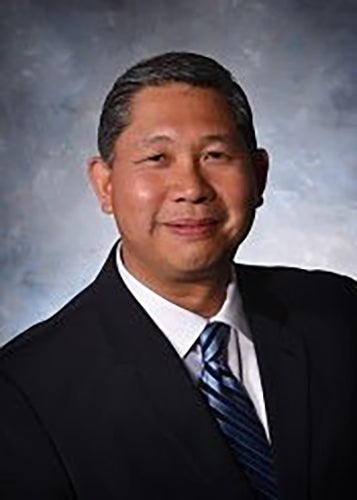
UVA opens the Hand Center, a multidisciplinary specialty center devoted exclusively to hand and upper-extremity conditions.
Francis H. Shen, MD, Co-Director of the UVA Spine Center, performs the first robotic-assisted spine surgery and the first robotic-assisted computer image-guided surgery at UVA.
“A lot of big spine surgeries are now minimally invasive and endoscopic. We take care of some of the most complex patients in the state of Virginia, and having all this technology to support us has really allowed us to provide the best options for these patients who have very difficult problems.” — Dr. Bobby Chhabra
After five years serving as vice chair, Bobby Chhabra, MD, becomes Chair of the Department of Orthopedics, ushering in an era of substantial clinical growth, faculty recruitment, educational modernization and development of a comprehensive orthopedic center. Dr. Chhabra also expands the department’s National Institutes of Health (NIH)-funded clinical research and multidisciplinary research programs, gaining national recognition for NIH research funding.
UVA Sports Medicine launches the Lower Extremity Assessment Program (LEAP), a collaboration with the Department of Kinesiology that systematically tracks strength, function and patient-reported outcomes in patients recovering from ACL reconstruction. The program helps inform rehabilitation and return-to-sport decisions while advancing research into ACL recovery.
UVA Health appears on the Becker’s list of 100 hospitals and health systems with great orthopedic programs, an honor it would receive nine more times in the years that followed.
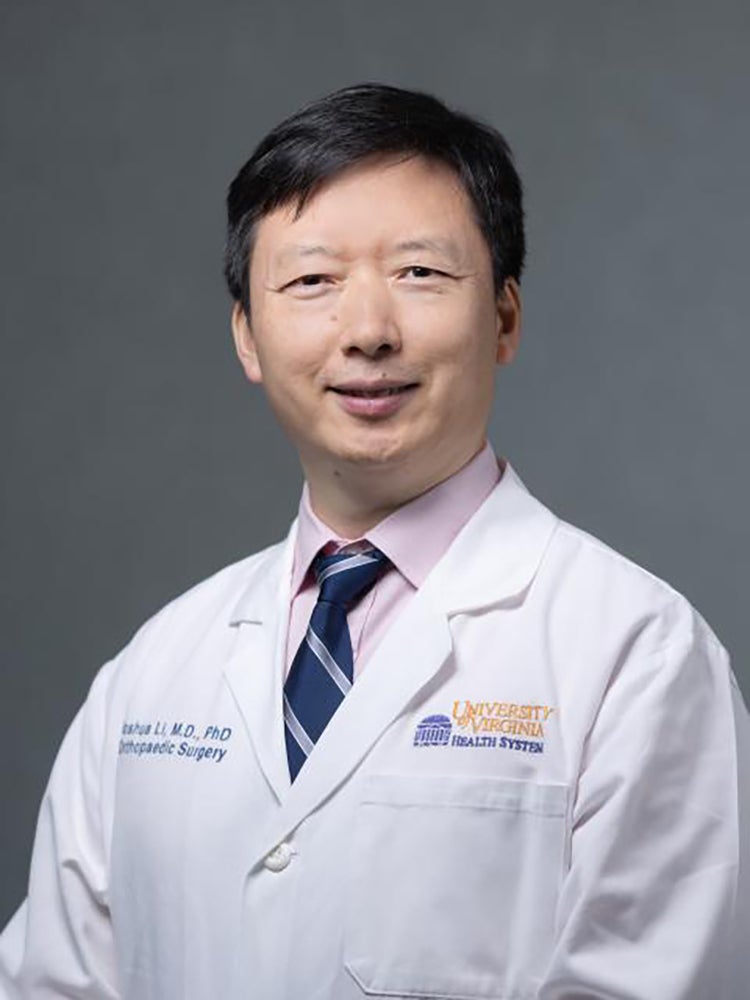
A UVA Orthopedic Surgery research team led by Xudong Joshua Li, MD, developed a first-of-its-kind, targeted nanoparticle approach for systemic treatment of inflammation associated with disc herniation, establishing a new therapeutic strategy for lumbar radiculopathy. This line of investigation has subsequently received support from three NIH R01 awards totaling more than $6 million.
“We're very motivated to advance the field through our clinical research. We have more than 80 trials we’re currently involved with. Our goal is to make sure patients get the best outcomes, and that we meet their expectations of having them return to the activities that they want to do.” — Dr. Bobby Chhabra
UVA Health Prosthetics and Orthotics begins using Computer-Aided Design (CAD) software to map, shape and engineer above- and below-the-knee prosthetics with precision.
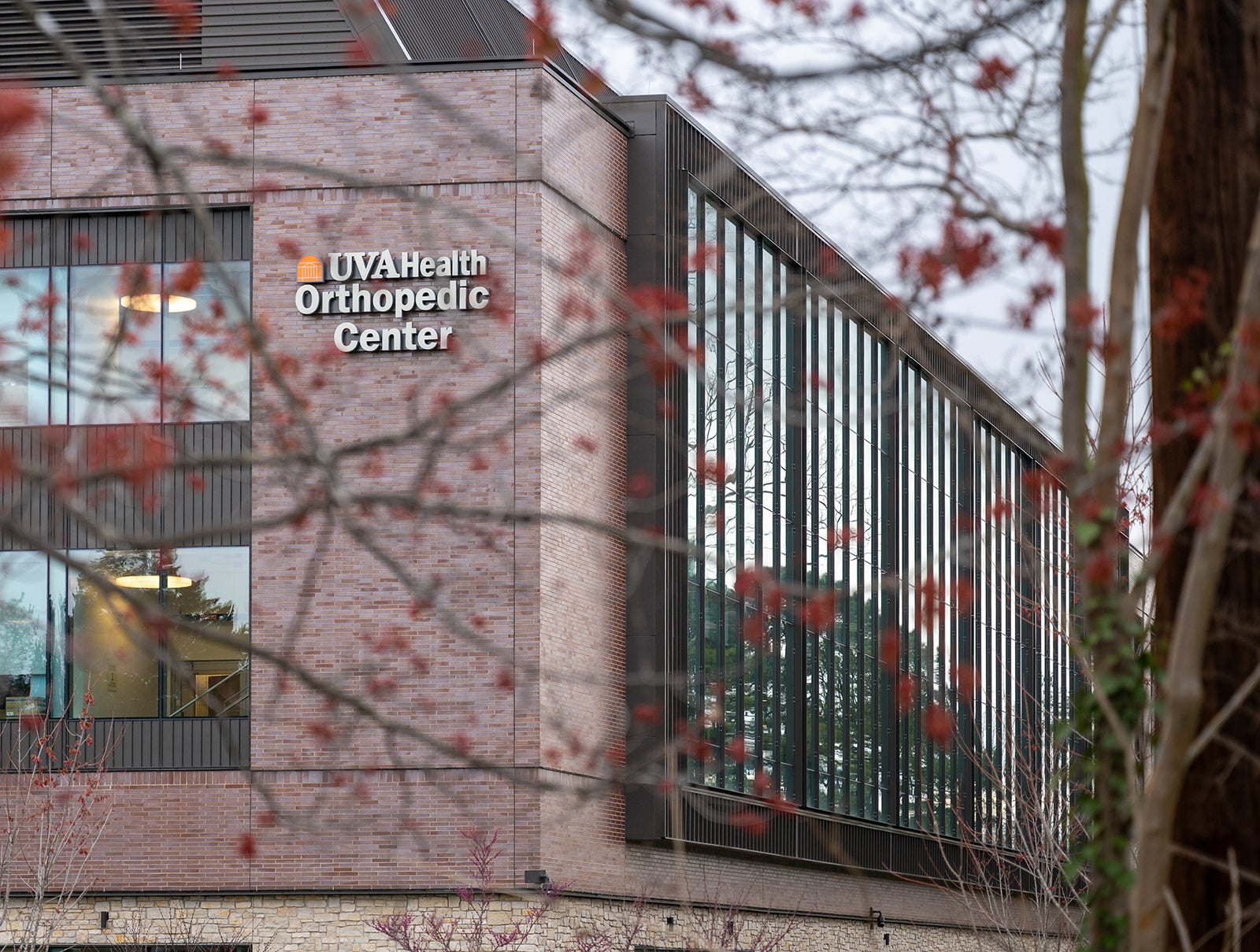
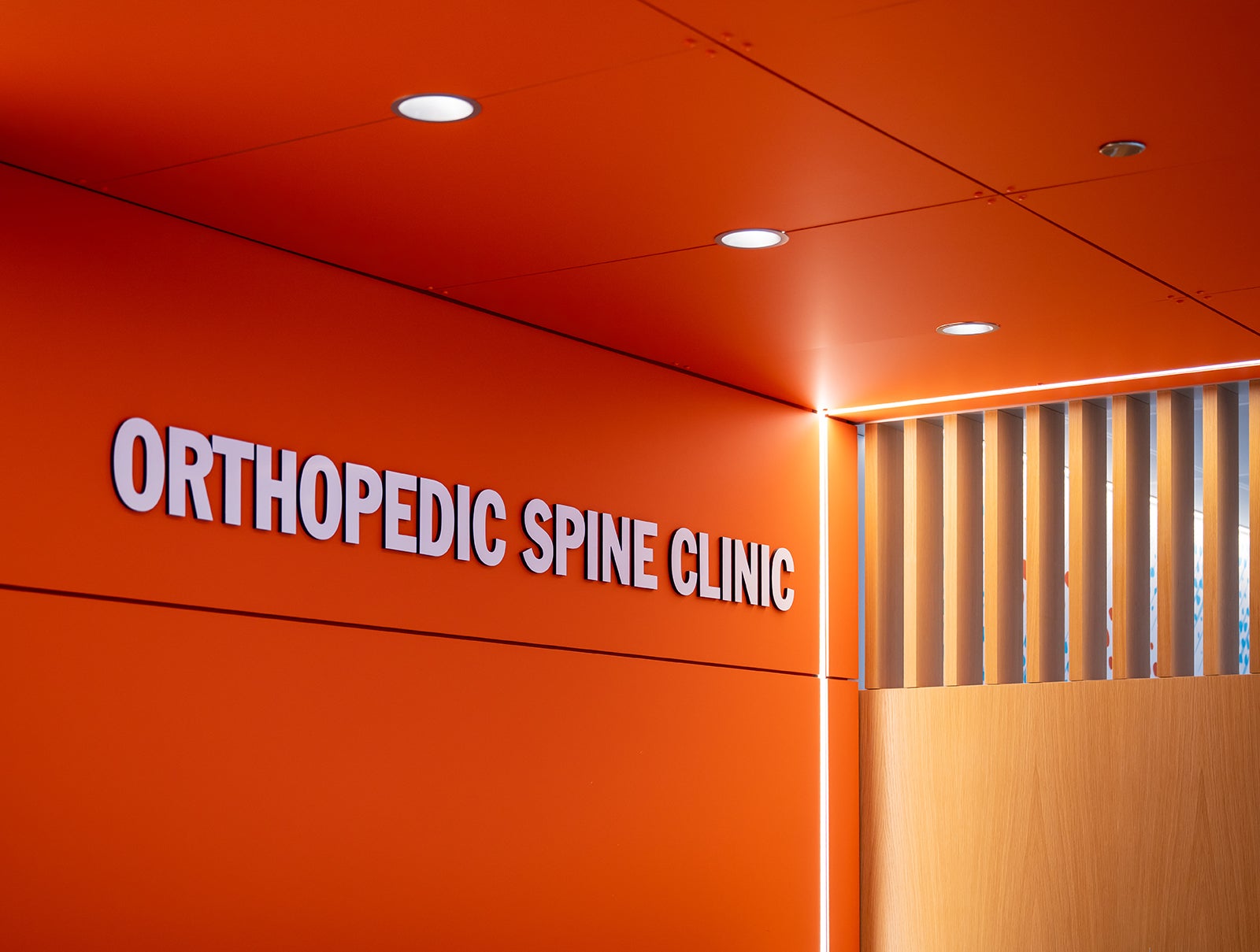
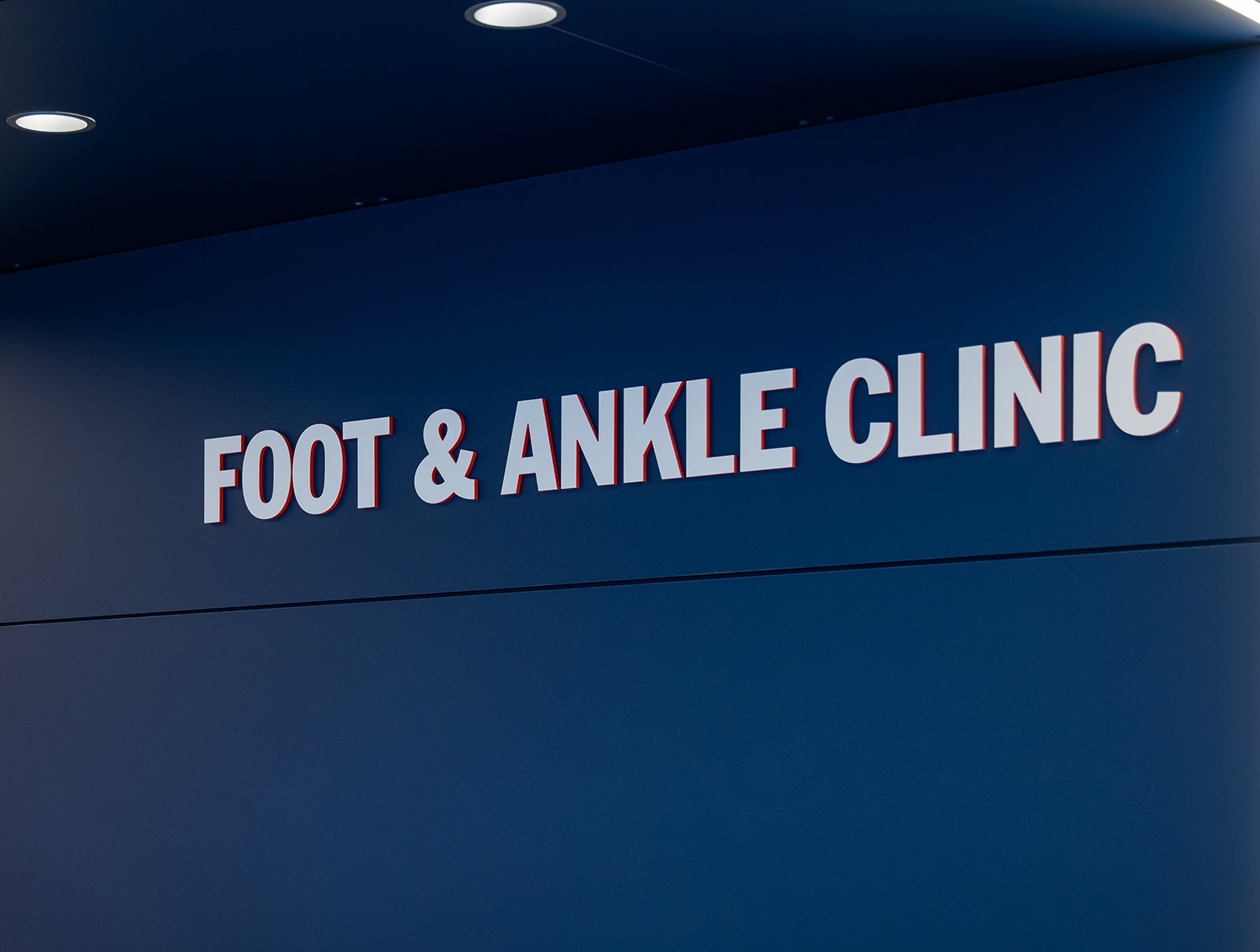
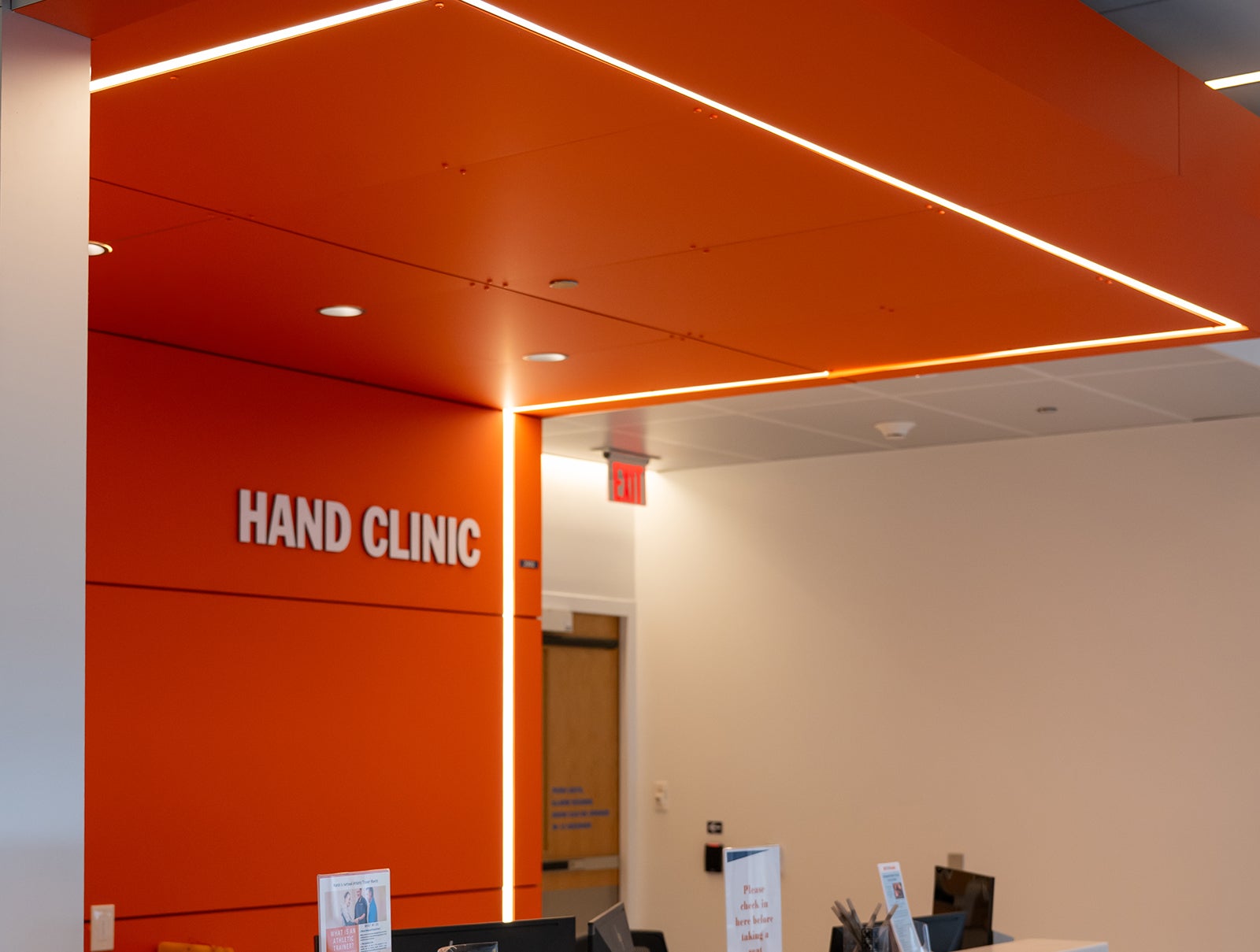
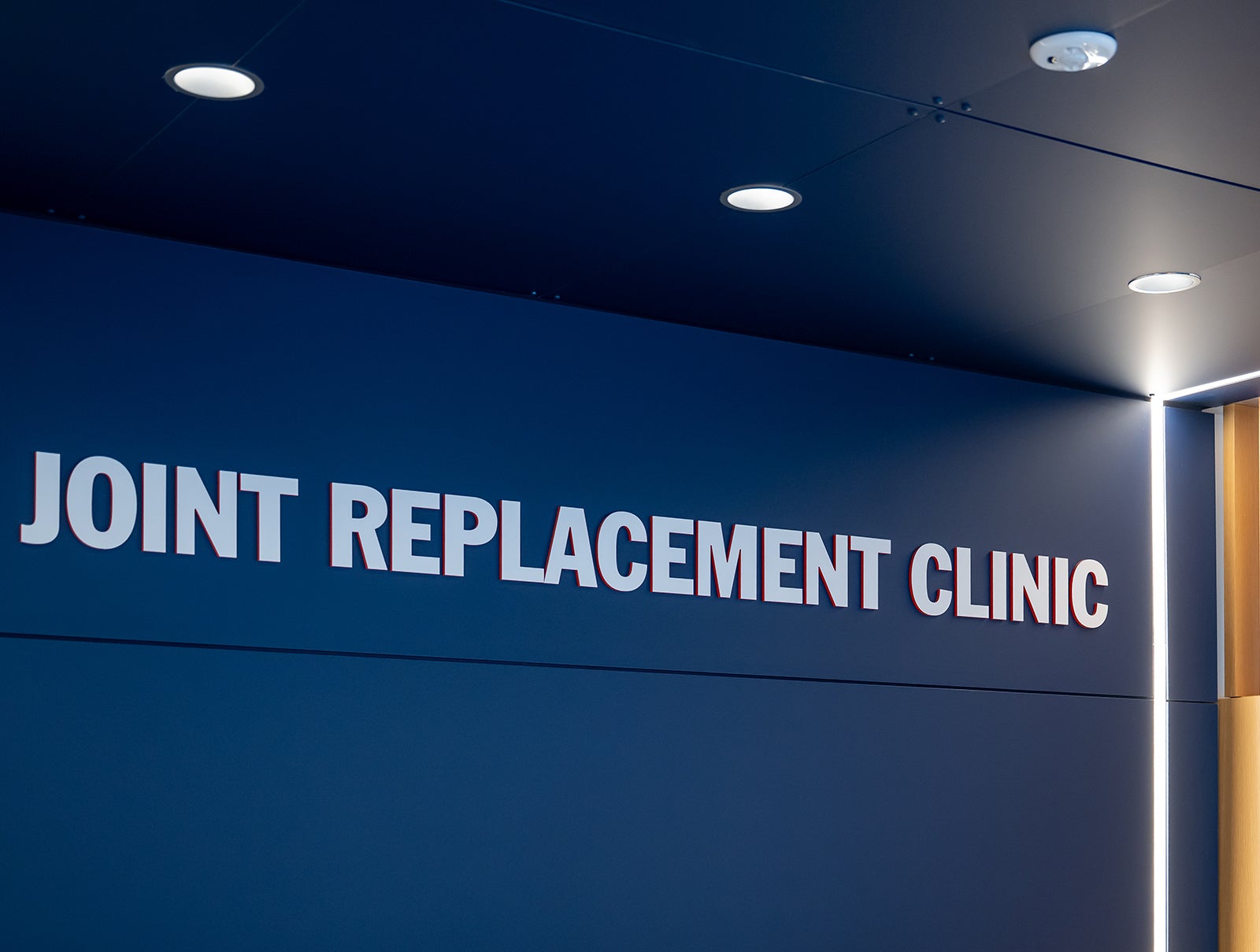
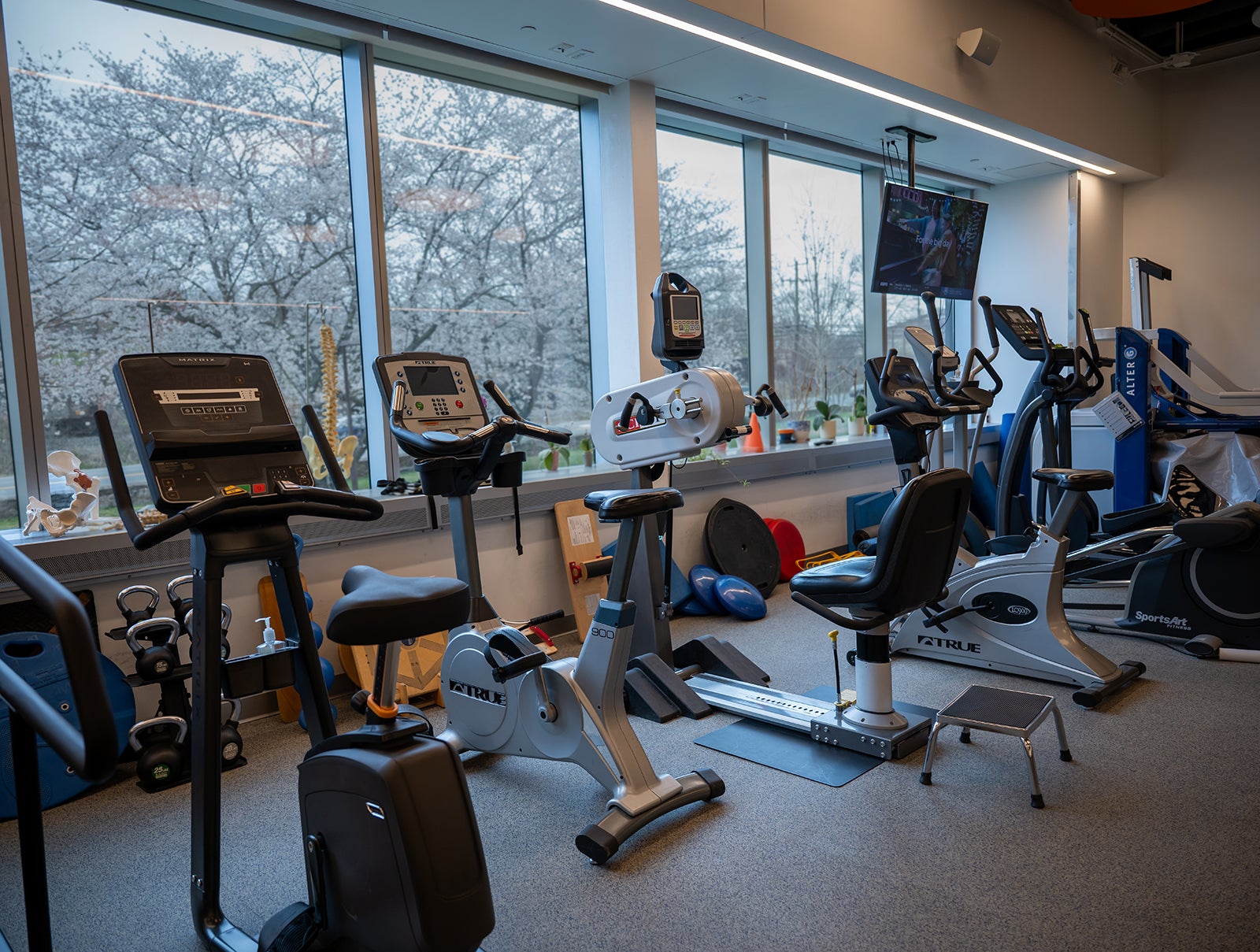
After a decade of planning, UVA Health Orthopedic Center Ivy Road opens, consolidating all outpatient orthopedic care at UVA Health into one state-of-the art facility.
“We are now a comprehensive center that is no longer fragmented. We’re providing care together. We’re learning together. We’re teaching together, and we’re doing clinical research together. This has elevated the level of care we provide. There is strength in unity.” — Dr. Bobby Chhabra
UVA Health begins outpatient hip and knee replacement at the Orthopedic Center Ivy Road, allowing select patients to undergo total joint replacement and return home the same day.
The Orthopedic Same-Day and Walk-In Injury Care Clinic opens at the UVA Health Orthopedic Center Ivy Road, offering evaluations and treatment for acute orthopedic injuries after hours on weekdays, and on Saturday mornings.
“We have a team of doctors that take care of our athletes, but it’s not just the high-level athletes we see at UVA and JMU. It's all our recreational athletes. The walk-in clinic has created an even stronger bond between the UVA Department of Orthopedics and our community because we are available to them outside of clinic hours.” — Dr. Bobby Chhabra
UVA Health Orthopedics celebrates its 100th anniversary.

“I think that we're at the tip of the iceberg in what we're going to accomplish. I'm so excited about continuing to hire talented people, maintain the great culture we have, advance the lab-to-bedside research we’re doing and to educate and mentor the next generation. We are really at the forefront as a department.” — Dr. Bobby Chhabra