
8.21.2026video
UVA Health Update | Aug. 21, 2026
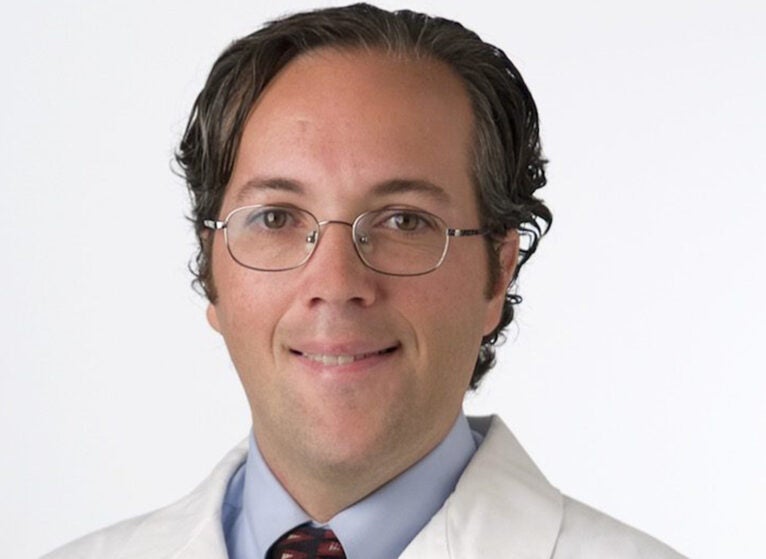
James Stone, MD, PhD
Two UVA researchers helped develop new NATO guidelines for protecting soldiers’ brains from blast exposures common in military combat and training.
James Stone, MD, PhD, a UVA School of Medicine radiologist, and Matthew Panzer, PhD, a professor of mechanical and aerospace engineering at the UVA School of Engineering and Applied Science, were members of an international team of experts in medicine, engineering, and operations that wrote the guidelines.
Research from Dr. Stone, Panzer, and their colleagues has shown that frequent, low-level blast exposures from weapons or breaching — using explosives to enter buildings or other structures — can cause brain injuries and harmful changes in brain function over time.
“Our understanding of blast-related brain injury has changed dramatically over the past decade. We now recognize that it's important to consider not only single blasts that cause immediate injuries, but also the cumulative effects of repeated low-level blast exposures,” Dr. Stone says. “These guidelines translate the best available evidence into practical recommendations that can help protect service members while helping to lay the foundation for a roadmap for the research that’s needed to mitigate the brain health effects of repeated blast exposure across NATO forces.”
The report blends guidelines that can be put in place now with a roadmap for where additional research is needed, all with the goal of reducing soldiers’ risk of suffering blast-related brain injuries:
“Our job as engineers is to understand how a blast wave interacts with the human body and use information to build better protective equipment, smarter training procedures, and define clear exposure limits,” Panzer says. “This report gives U.S. forces and our allies guidelines they can act on today, plus a roadmap for what is still needed to keep soldiers safer in the future."
”UVA is among the leading research organizations studying blast injury from both a medical and engineering perspective. The institution recently received a new blast simulator, a gift from United States military partners, which Dr. Stone and Panzer say will expand UVA’s capabilities to address several of the research gaps identified in the NATO report.