10.19.2026
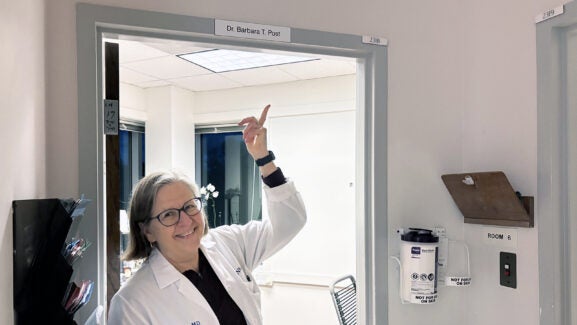
‘Feels Like Family’: Barbara Post, MD, FACP, Reflects on Nearly Four Decades of Providing Hope at Work at UVA Health Northridge Internal Medicine

Jeanell Webb-Jones
For a long time, Jeanell Webb-Jones believed what many nurses tell themselves when they're struggling.
"I was in denial about my own mental health," said Webb-Jones, MSN, RN, AMB-RN, a UVA Health clinician and board member of the Virginia Board of Nursing. "I kept telling myself that I was just tired, stressed, or going through a difficult period."
But over time, she began to recognize changes in her behavior and how she was showing up, both personally and professionally. She became increasingly disengaged, had frequent crying spells, and found that she was no longer happy or fulfilled in the way she had been. The emotional toll began to affect her physically as well.
"That was when I realized I could no longer ignore what I was experiencing," she said.
Today, Webb-Jones shares her story because she knows she is not alone. For many nurses and healthcare leaders, caring for others comes much more naturally than caring for themselves.
"We are the caregivers, the problem-solvers, and the people others turn to when they need support," Webb-Jones said. "Because we are so accustomed to being the ones providing care, it can be difficult to recognize when we are the ones who need care and support."
Throughout her career, Webb-Jones has been involved in efforts to support the well-being of healthcare professionals. In 2021, she served as a clinical investigator for a pilot workplace resiliency intervention for nurses and worked alongside colleagues Jane Muir (BSN ’12, MSN ’22, PhD ’22) and Nancy Farish to develop Room to Reflect, a nurse-led initiative that gave nurses practical ways to pause, reset, and recharge during the workday.
The Room to Reflect initiative offered a variety of tools and resources, including guided mindfulness activities, audio resources, virtual reality experiences, mobile supports, and pocket guides designed for use between patients or in brief moments throughout the day.
"Nurses are busy, and asking them to find an additional 20 or 30 minutes in their day for self-care simply wasn't realistic," says Webb-Jones.
One of the most popular tools turned out to be a simple pocket guide with mindfulness prompts.
"Self-care doesn't always have to be a big, scheduled event," Webb-Jones said. "Sometimes it's simply giving yourself permission to take a breath, be present for a moment, and restart before moving on to the next patient or responsibility."
The findings reinforced a lesson that continues to shape Webb-Jones' approach to well-being today. Support has to be practical.
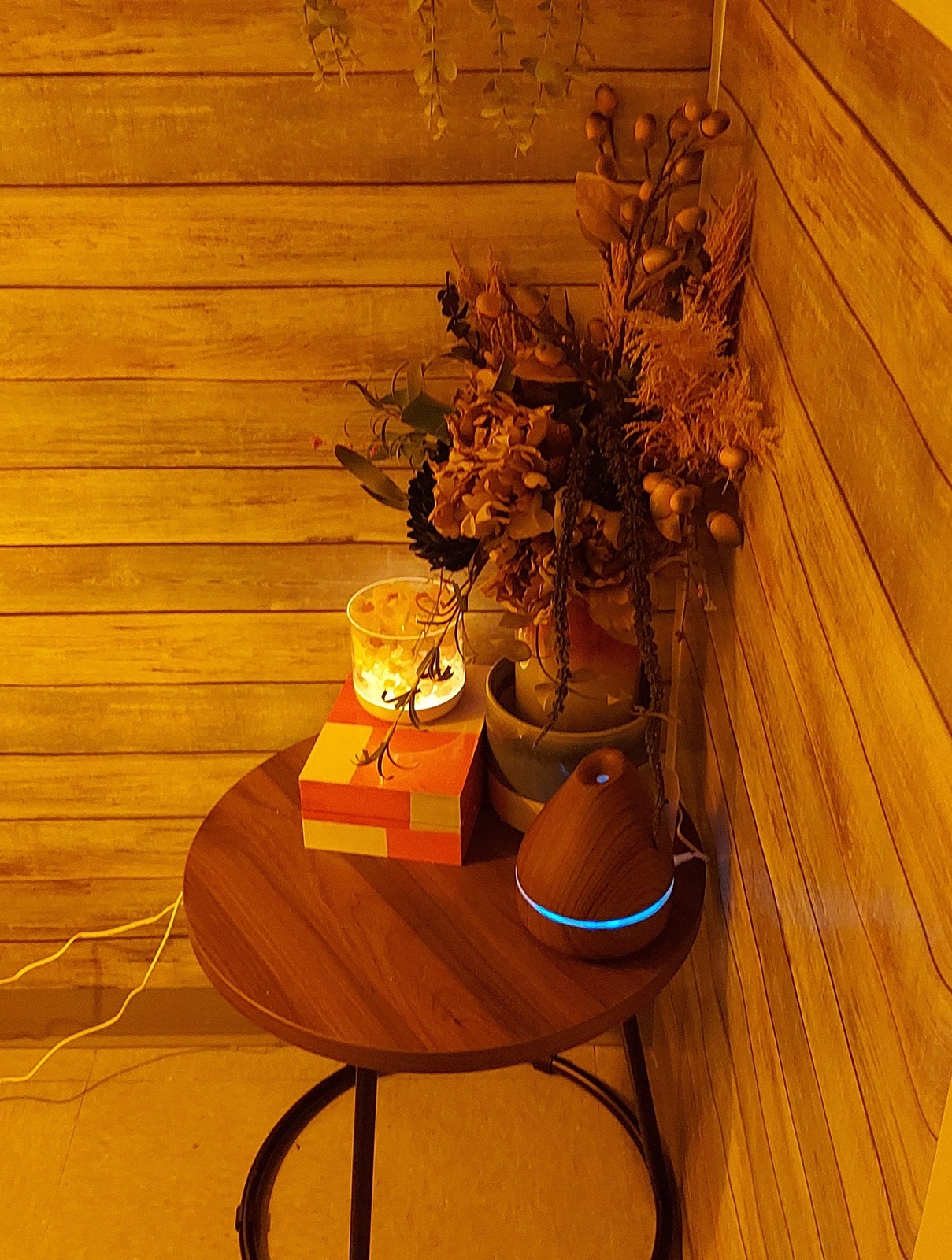
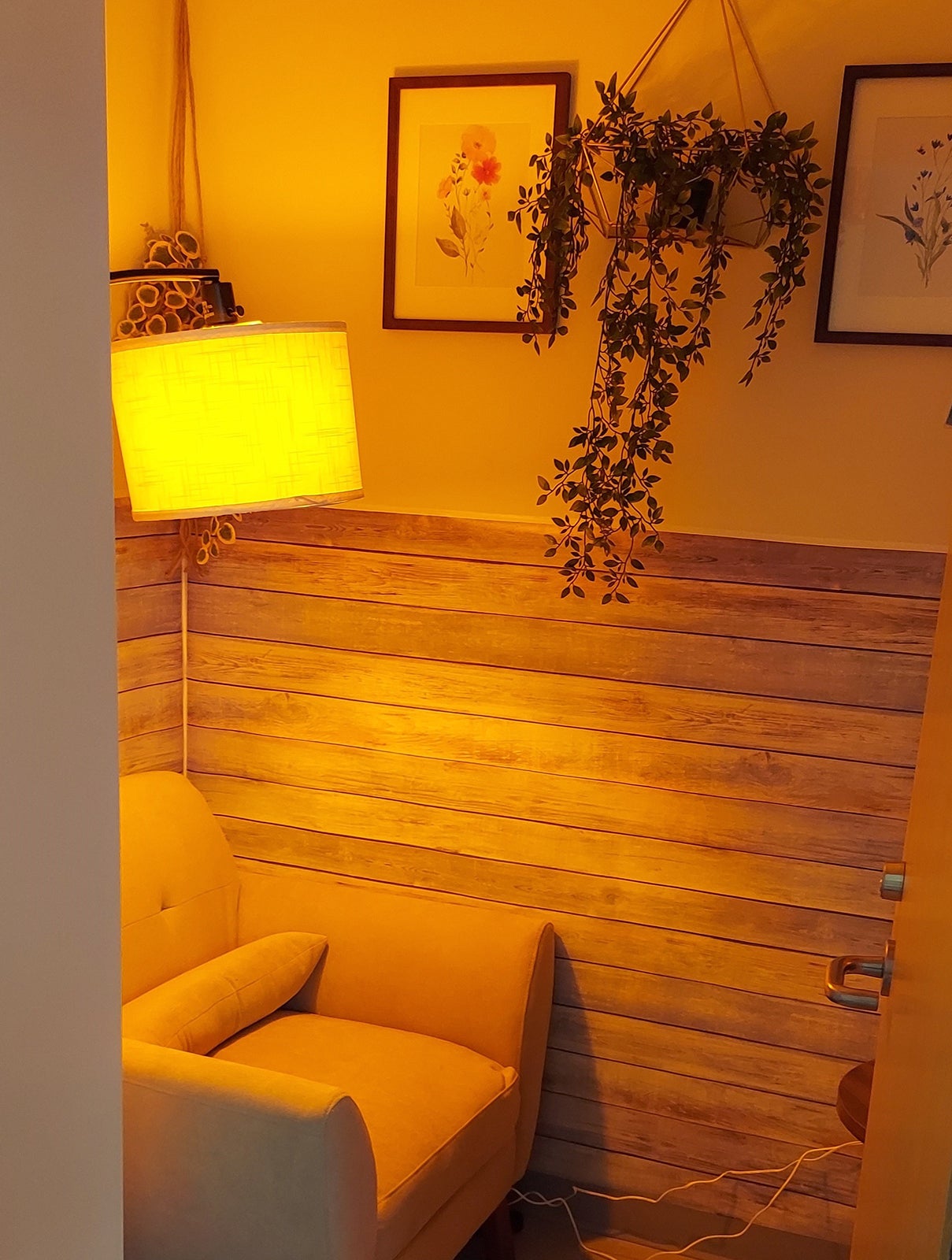
More recently, Webb-Jones was inspired to create a lavender room in her clinic, a dedicated space where staff can step away for a moment, breathe, decompress, and reset.
"I think my perspective has evolved from simply advocating for self-care to understanding how important it is to intentionally create environments where people feel supported in practicing it," she said. "Self-care and resilience cannot just be something we talk about. They have to become part of the culture."
She also believes meaningful progress is being made. At UVA Health, she points to growing awareness of burnout and mental health, along with resources that support employee well-being.
"There are now more resources available to support the mental health and well-being of our healthcare professionals beyond what we traditionally had through the Faculty and Employee Assistance Program,” says Webb-Jones. “For example, Wisdom and Wellbeing has created additional opportunities to focus on the well-being of our workforce and provides resources that address different aspects of wellness."
Today, through Wisdom and Wellbeing and other organizational partners, such as the Compassionate Care Initiative at UVA School of Nursing, there are systemwide employee mental health and wellness events, Team Wellbeing Advocate trainings, and individual programs and resources to build capacity at all levels of the organization, endeavoring to ensure that wellbeing is a collective priority.
Still, she believes organizations must do more than simply provide resources.
"We need to continue moving away from the idea that resilience means simply being able to endure more," she said. "We can provide wellness resources, but if we don't address staffing, workload, work-life balance, psychological safety, and the pressures that healthcare professionals experience every day, we are only addressing part of the problem."
For leaders, that means helping create environments where employees feel comfortable stepping away, seeking support, and taking care of themselves without guilt.
For nurses, it begins with paying attention to their own health and wellbeing.
"If you notice that something has changed, you're feeling disconnected, constantly exhausted, more emotional than usual, losing joy in things you normally enjoy, or simply feeling like you're not yourself anymore, pay attention to those signs," Webb-Jones said.
Most of all, she hopes nurses will extend themselves the same compassion they offer their patients every day.
"We spend our careers telling our patients that they don't have to go through difficult things alone. We need to give ourselves that same permission,” said Webb-Jones. You don't have to earn the right to take care of yourself, and you don't have to wait until you are at your breaking point to ask for help."



Boundaries are a form of self care.
Burnout is like carbon monoxide. You don’t notice anything is wrong until it nearly kills you.