4.7.2026
How UVA Health Community Engagement and Health Outcomes Makes a Life Changing Impact on Area Residents
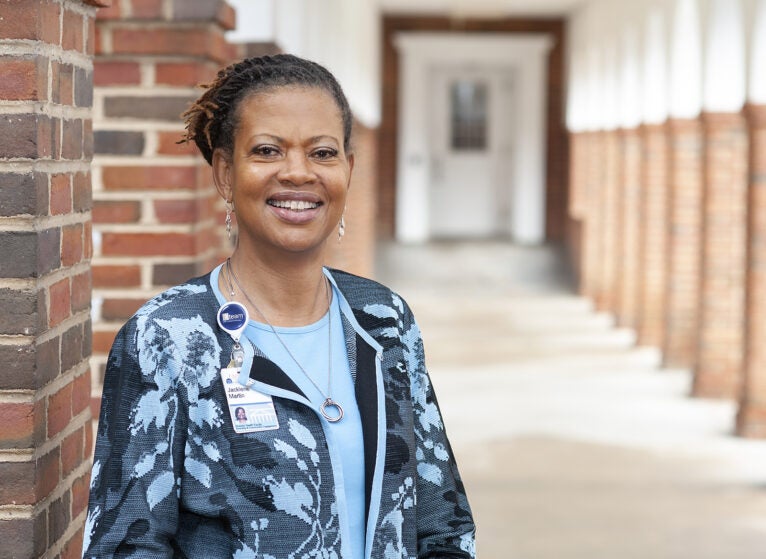
Jacklene G. Martin, MPH, CDM
As we recognize 2026 Public Health Week from April 6 to 12, the release of the MAPP2Health Community Health Assessment offers a moment of reflection and a call to action for non-academic and academic medical centers, such as UVA Health. (See below for more information on a Public Health Week activity and an April 15 webinar.)
For nearly two decades, MAPP2Health has served as a foundational, community-driven process to understand what shapes health across the Blue Ridge Health District. Led by the Blue Ridge Health District and conducted in partnership with UVA Health, Sentara Martha Jefferson Hospital, and UVA Public Health Sciences, the 2025 report continues this legacy — grounded not only in data, but in lived experience.
Having contributed to multiple MAPP2Health cycles in my role, I have seen firsthand how each assessment is intentionally designed to do more than describe disparities — it is meant to drive measurable improvements in community health through partnership, accountability, and action.
Clear and Consistent Signal
The 2025 MAPP2Health report identifies three priority areas:
These priorities are not new. In fact, they closely mirror those identified in previous cycles — healthy eating and active living, mental health, access to care, and connected communities.
At first glance, this consistency can raise a difficult question: If the priorities haven’t changed, have we made progress? The answer is more nuanced than a simple yes or no.
Why the Priorities Persist
The persistence of these priorities is evidence of structural complexity. The 2025 report makes this clear that health is shaped “long before someone steps into a healthcare clinic” by factors such as cost of living, food access, and transportation. These are not issues that can be solved within a three-year cycle, nor by any single institution. Instead, the consistency of priorities reflects:
In other words, we are not facing a failure of effort — we are confronting the reality that health outcomes are downstream of systems that change slowly and require sustained, coordinated intervention.
Deeper Listening, Better Data, Stronger Direction
While the priority areas remain consistent, the approach has evolved significantly.
The 2025 assessment reflects:
This evolution moves the work from broad awareness to precision public health — targeting specific populations, neighborhoods, and barriers with greater clarity.
No One System Can Do This Alone
“No one organization — even a hospital or health department — can do this alone.” This statement should resonate deeply within academic medicine. UVA Health, like many academic medical centers, is uniquely positioned at the intersection of clinical care, research, education, and community engagement. But this position also comes with a responsibility to move beyond traditional roles.
Do Academic Medical Centers Have an Obligation to Address Social Drivers of Health?
The MAPP2Health findings make the answer clear: not only an opportunity, but an obligation, grounded in three realities:
The Role of UVA Health
The 2025 report reinforces meaningful progress will depend on cross-sector collaboration — including healthcare systems, public health agencies, community-based organizations, and policymakers. For UVA Health, this means:
A Moment to Recommit
Public Health Week reminds us that health is not created in hospitals — it is created in communities. The 2025 MAPP2Health report provides a roadmap grounded in community voice, data, and lived experience. Progress will depend on whether institutions like UVA Health — and all of us working within and alongside them — are willing to:
2026 Public Health Week*
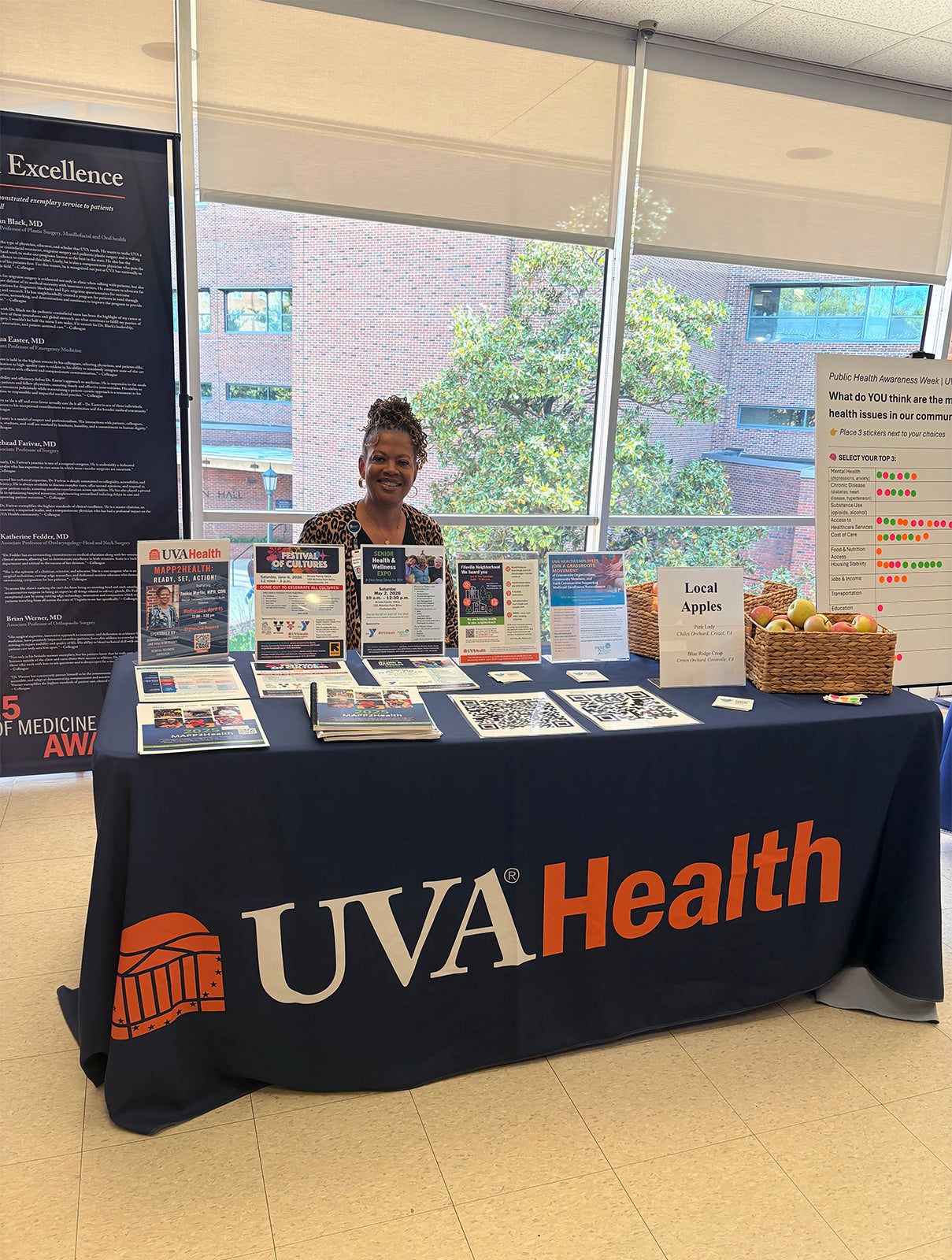
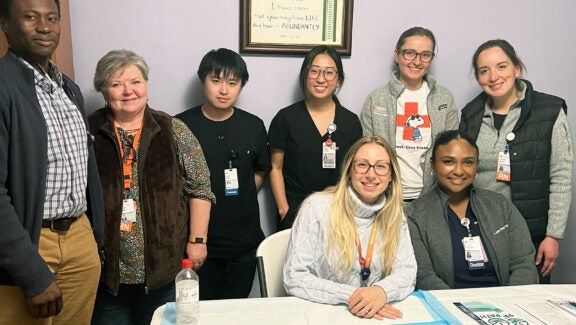
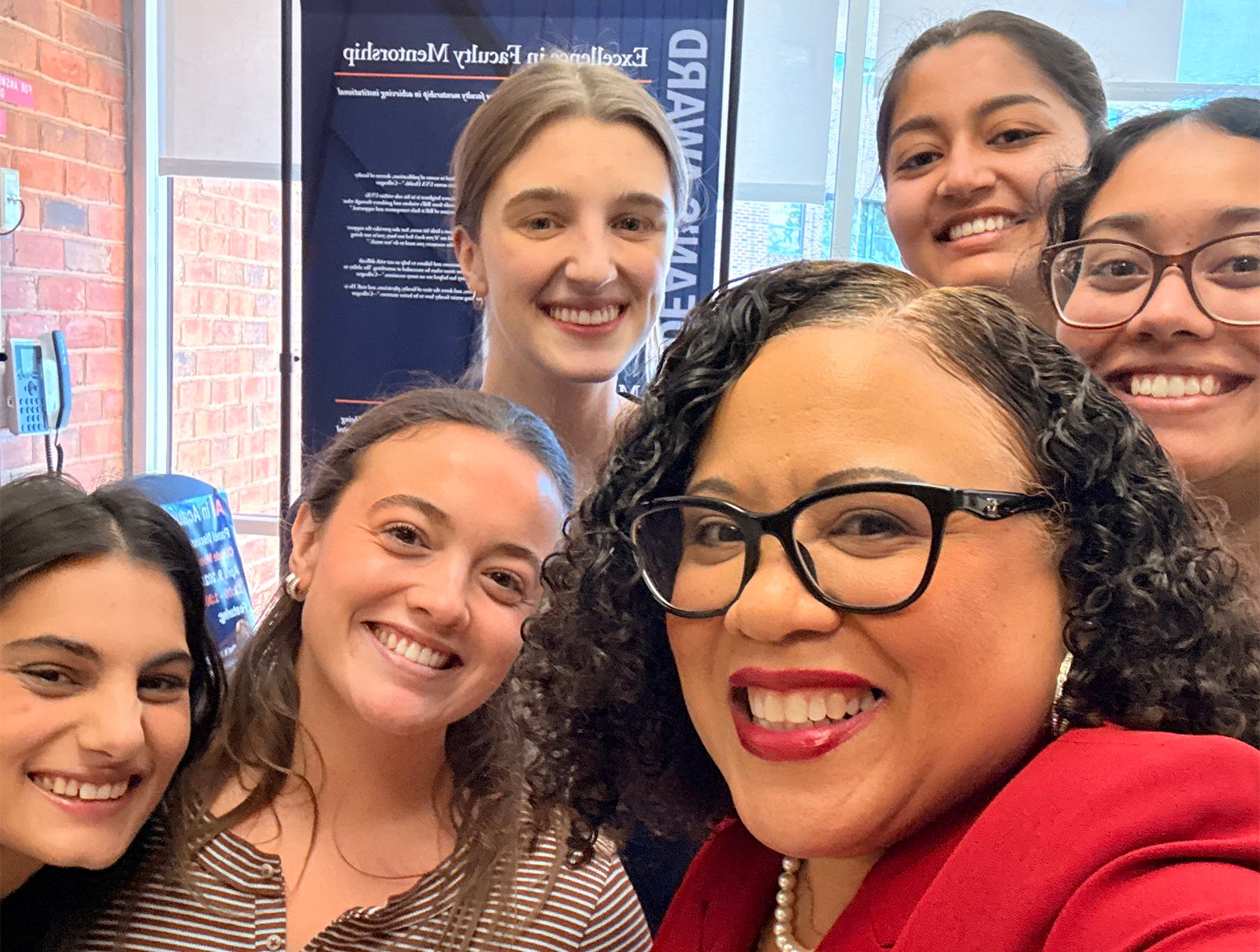
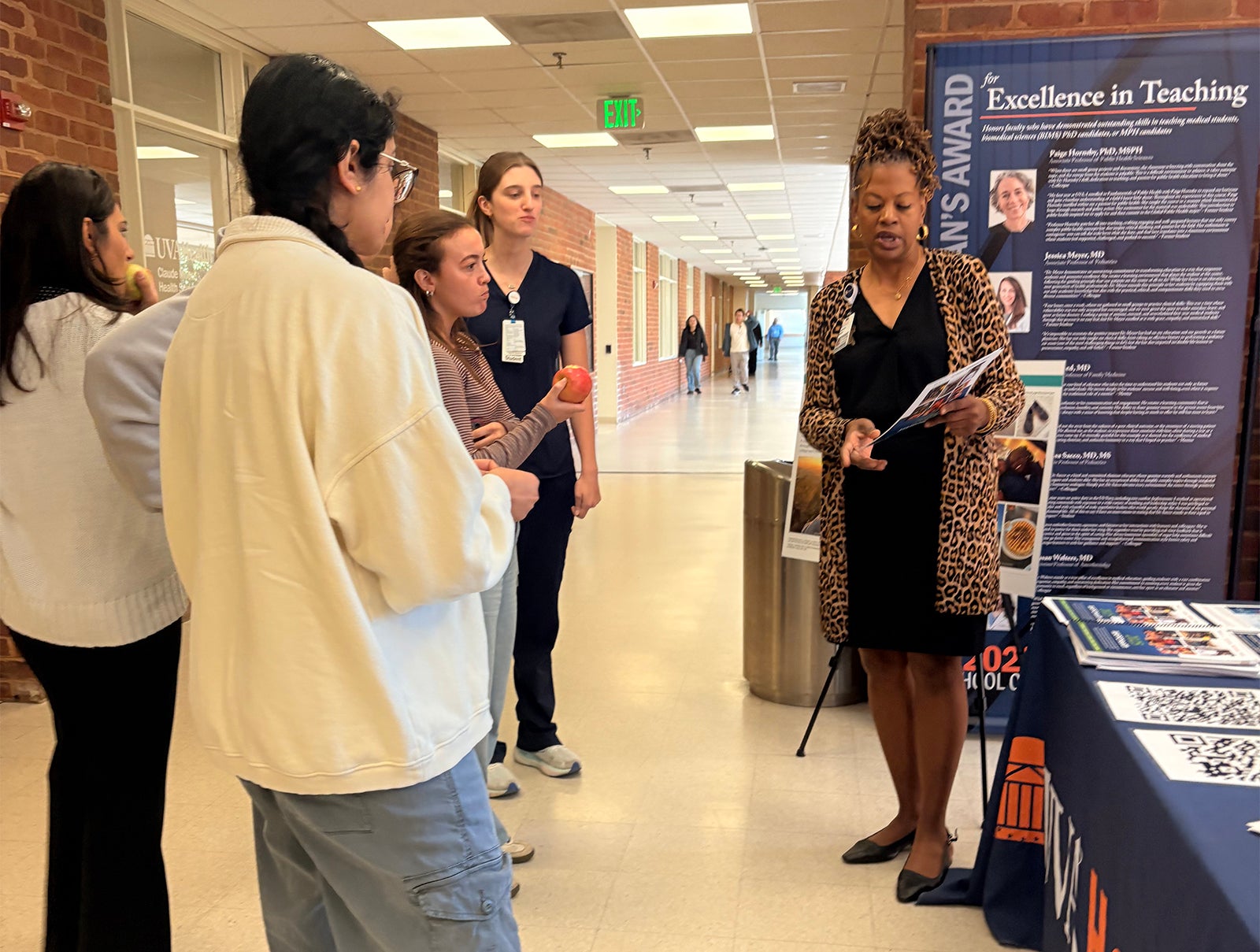
April 6-8 | 11 a.m.-1 p.m. | Alcove at entrance to Claude Moore Health Sciences Library | UVA School of Medicine Office of Medical Sciences Outreach and UVA Health Office of Community Engagement and Health Outcomes collaborate to bring awareness to Public Health Week and our partnership with MAPP2Health.
Visit their resource table for education, engagement, and empowerment — and more information on the 2025 MAPP2Health Report and top health priorities:
MAPP2Health: Ready, Set, Action! Webinar*
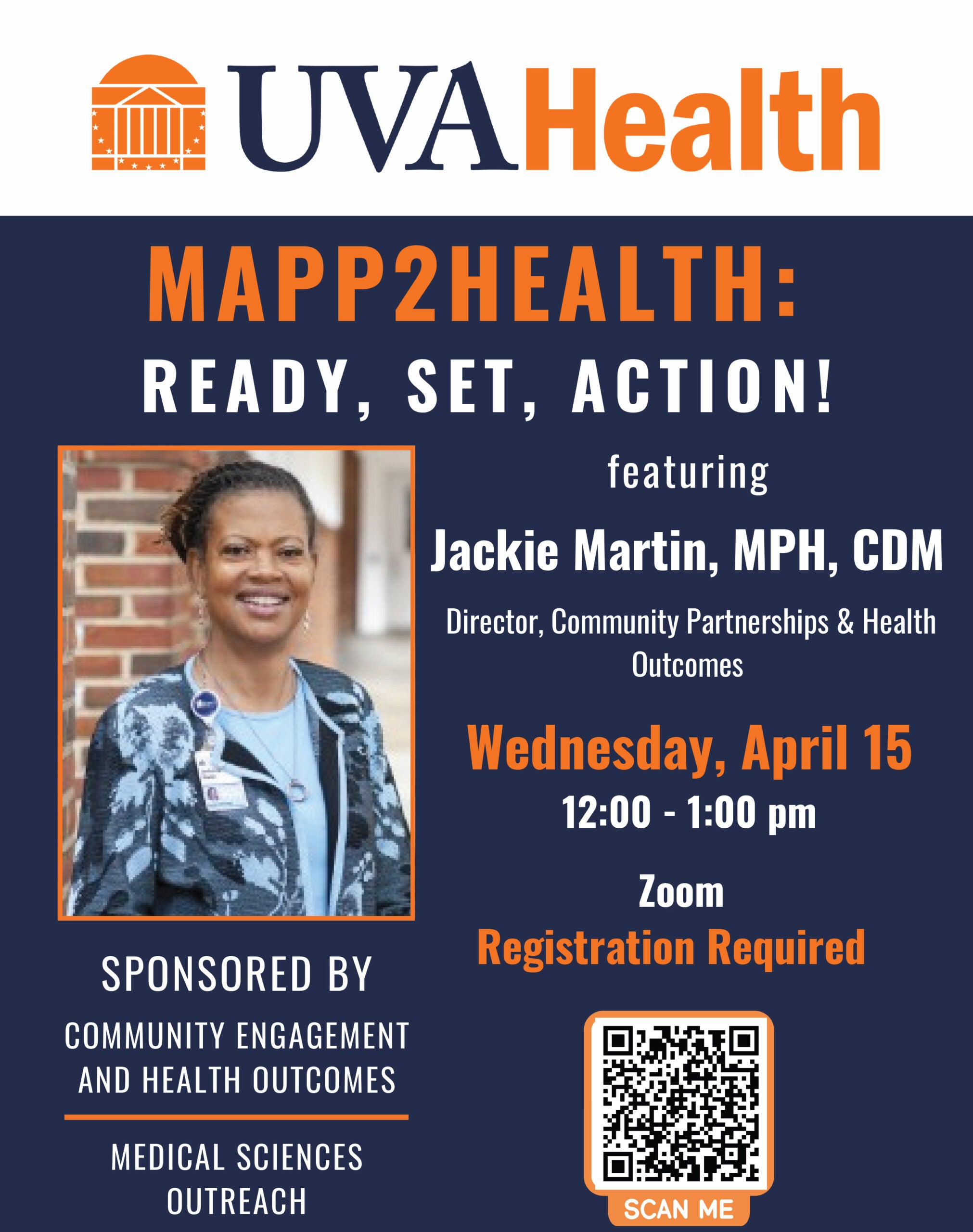
Wednesday, April, 15 | noon-1 p.m. | Zoom | Registration required to receive Zoom link | UVA School of Medicine Office of Medical Sciences Outreach, and UVA Health Office of Community Engagement and Health Outcomes, host an informational webinar session on the 2025 MAPP2Health Report, featuring Jackie Martin, MPH, CDM, Director, Community Partnerships and Health Outcomes. Join this webinar to learn about the history of MAPP2Health, current top health priorities, and how to support the Community Health Improvement Plan (CHIP).