11.3.2026
Portrait Unveiling Ceremony Honors Former Chair of Surgery Reid Adams, MD, Recognizing His Decades of Service to UVA Health
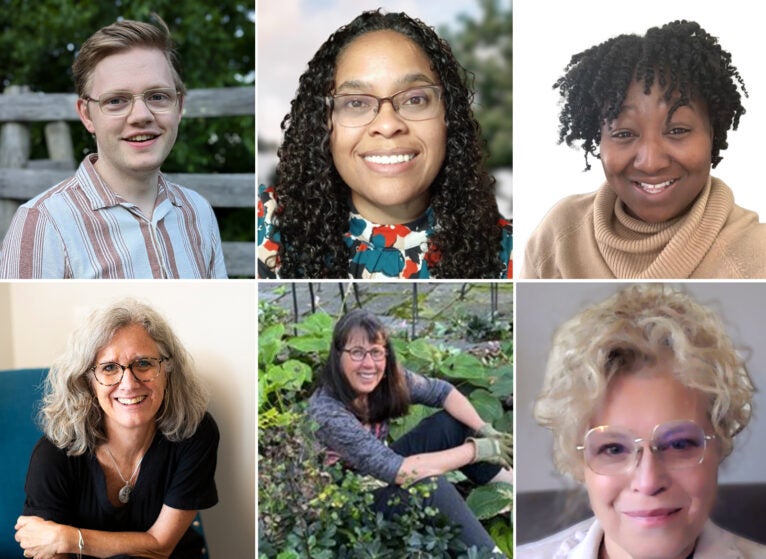
They are a team of six, small in number, but big on impact. Why? Because they are each driven by a passion to serve. They are skilled in their practice and motivated to make a difference in the lives of patients. Plus, they have the autonomy and resources they need to implement creative strategies to remove barriers to care and promote positive outcomes.
They are the Population Health Post-Acute Behavioral Health Program team. And they’re here to help. We joined them, along with Novella Thompson, MBA, MA, ALM-C, FACHE, Assistant Chief of Population Health, at a recent team meeting to learn more about the services they offer and what sets them apart.
The Team
How has the overall perception of behavioral health care changed in recent years?
Novella: Behavioral health has always been needed, but wasn’t always talked about, especially publicly. We’re opening those doors to destigmatize mental health and help people move from feeling shame about seeking behavioral health support to it being a practice that is an expected and needed part of overall health and wellbeing.
How has this program evolved?
Novella: This program began in 2018 to support UPG, University Medical Center, and UVA faculty and staff, which became an especially important part of the vision and work when COVID-19 hit. We began to include patients once we added clinical programs. Throughout the last eight years, we have been able to expand to ensure that regardless of where a patient enters or exits the institution, they have post-acute behavioral health support. I love unleashing this team on barriers to healthcare because they don't let perfect get in the way of good. One way or another, we find a solution and ensure needs are addressed, gaps are closed, and that continuity of care is comprehensive.
What is unique about this program and this team?
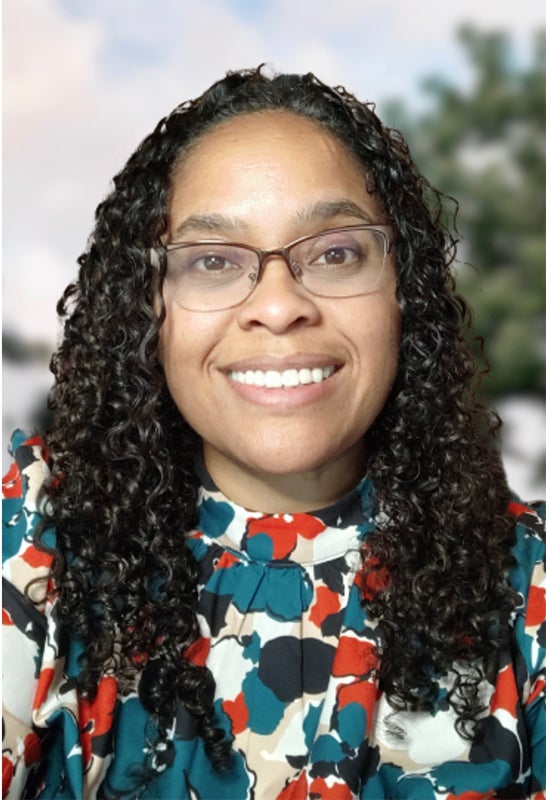
Arminda: Being part of Population Health, we don’t just think about mental health symptoms in isolation. We take a biopsychosocial view when it comes to a person's emotional health. That might involve factors like the type of medical care, social drivers of health, or difficulties with transportation. The nice thing about our department is we have so many other services — Continuum Home Health, the Community Paramedicine Program, the Bridge to Primary Care Program— so we can collaborate amongst ourselves and throughout the healthcare system to treat the whole person. We work to understand each person’s challenges and find ways to make it better. We also interface with the community to help them overcome barriers there, too.
Latashia: I think patients really enjoy being able to go to one facility [University Medical Center] for multiple services. They get all of their care under one roof, and they’re supported from all angles.
Anna: I think what is unique to Population Health is Novella’s philosophy, which is about being innovative in removing barriers to accessing necessary support. We don’t work in isolation — we partner across a wonderful interdisciplinary team. If we see a barrier, we come together to see what we can do in support of the patient to remove the barrier. It’s refreshing and rewarding to be a part of this offering.
Jill: Our team is unique in that we can see patients in ways that are most accessible to them. We are able to see patients with medical complexity, working collaboratively with the rest of their medical team at UVA Health to gain a better understanding of their full medical picture.
What types of behavioral health services do you offer?
Arminda: We can offer some specialty modalities that I don't think are offered on a wide scale in other departments, like EMDR (Eye Movement Desensitization and Reprocessing), cognitive processing therapy, and somatic-type approaches.
Anna: Our team has a well-rounded array of evidence-based, and trauma-informed expertise that we’re able to offer patients.
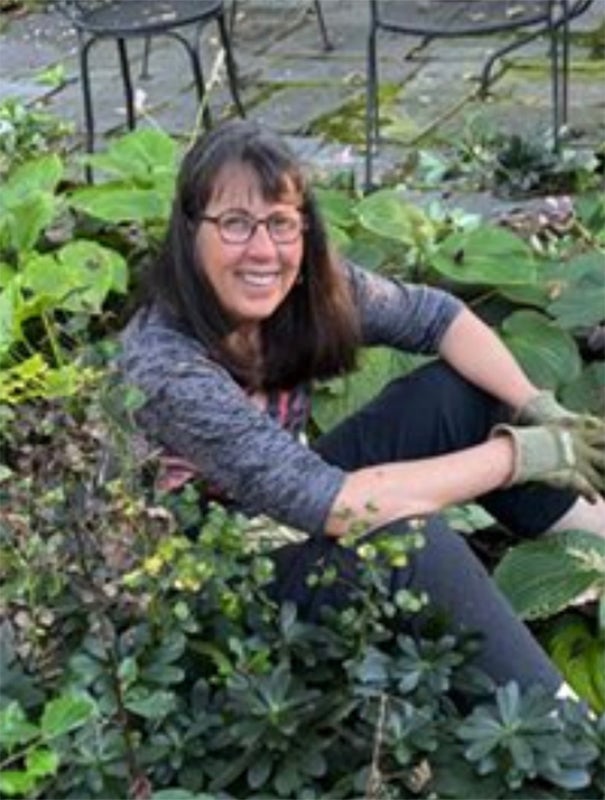
Jody: We also offer resiliency support. Research has shown that if you reduce a nurse’s stress level by a small percentage, it has a positive impact on the hospital. There are fewer medical errors, patient satisfaction scores go up, and team cohesion improves. So that’s a really fulfilling, important part of our work.
What types of patients do you see and how are they referred to you?
Anna: We work with patients across a broad spectrum of needs, including anxiety, depression, trauma, grief, adjustment to illness or injury, and relationship concerns, while also supporting individuals navigating other emotional and life challenges.
Jody: Initially, we primarily saw established UVA Health patients and team members. But now, we also receive community referrals.
Arminda: A majority of our patients come through the Population Health Interactive Home Monitoring (IHM) Program. As part of their workflow, they speak to every patient about behavioral health, and the patient decides if they’d like a referral to us, which can be sent through Epic.
Novella: There’s an order in Epic that was built for all Population Health referrals. The order can be placed by clinicians and non-clinicians, and it will be triaged within the same day. Patients. family members, and team members are also encouraged to request an appointment themselves via our website.
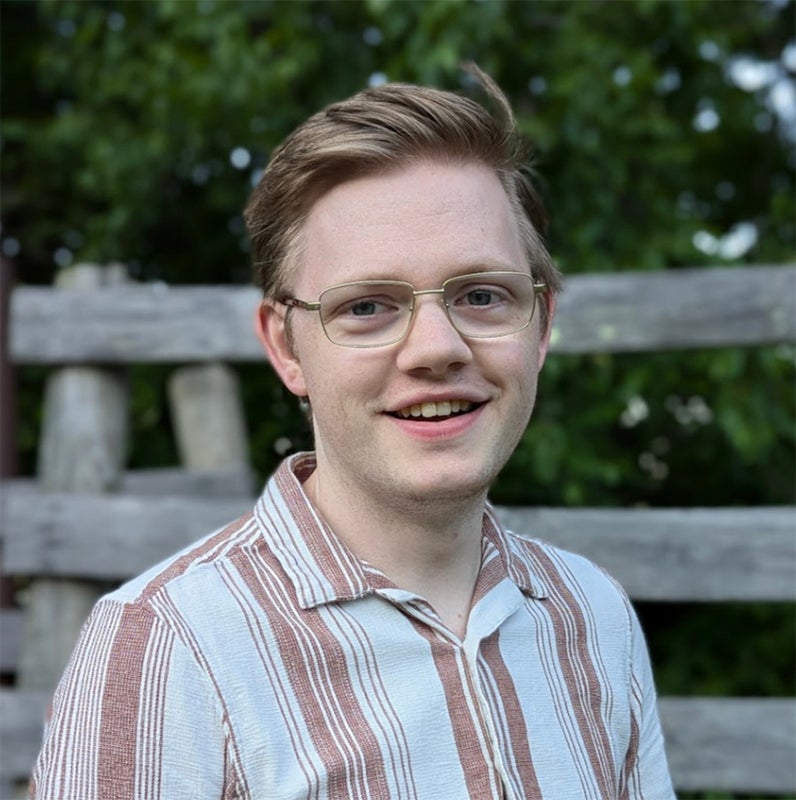
Jack: We also accept referrals from our Virginia at Home (VaH) program, which is our home-based primary care for geriatric patients. I typically take most of those referrals because I'm able to visit them in their homes or in a facility. Being able to meet people where they are is a huge benefit that we have — especially for someone who may not be comfortable accessing a video link or someone who's just not able to come in person to one of our offices.
How do you help patients overcome financial barriers to behavioral healthcare?
Arminda: Having UVA behind this practice means that we can offer our patients financial assistance through UVA Financial Services. I've had many patients who can't get care anywhere else because they can't afford the copay. They have insurance, but they just can't afford the copay. So we're proud to be able to offer them a financial aid application to see if they qualify and are eligible for those types of things.
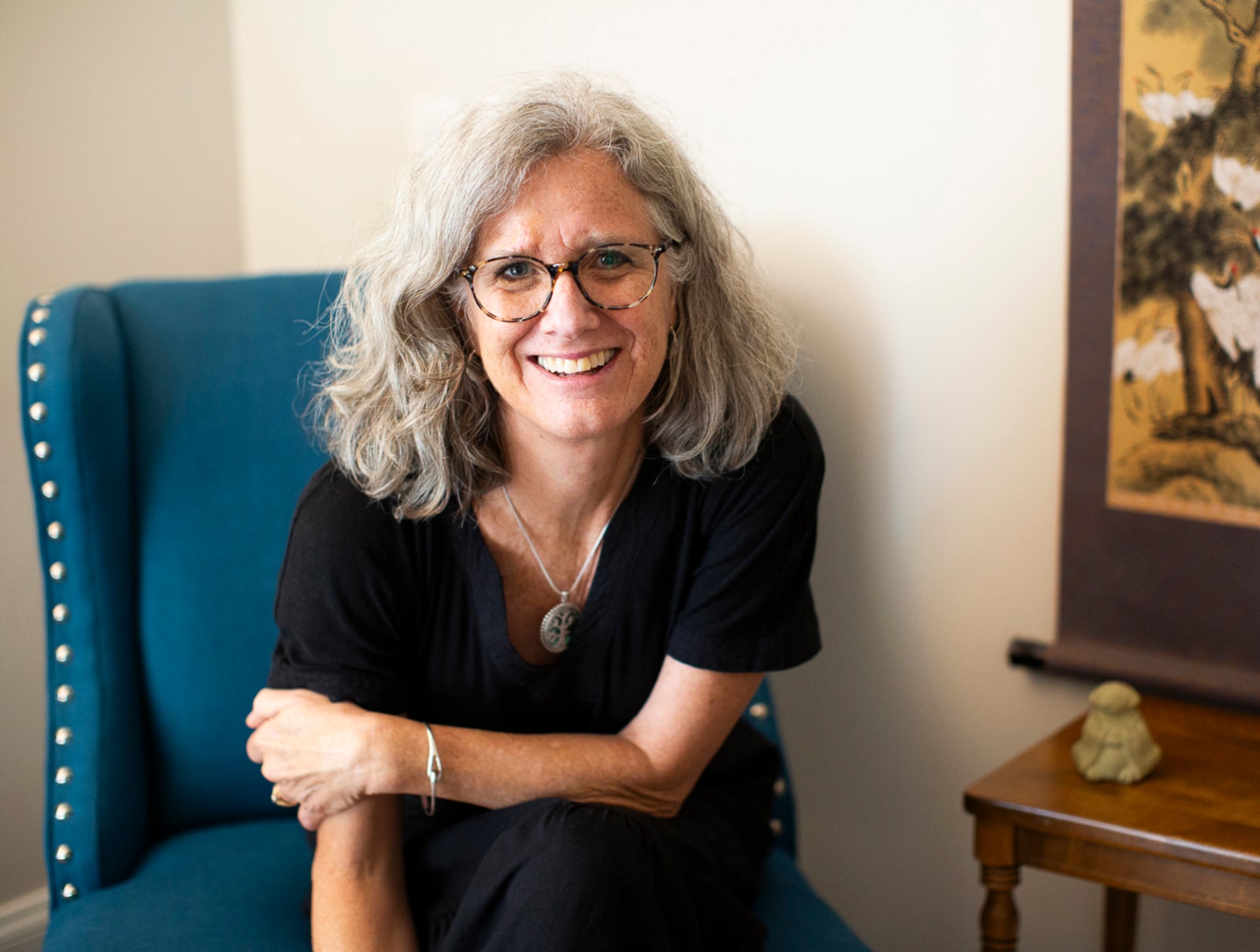
Jill: One of the benefits of working in a large medical center is the ability to consult and refer to other services within it, and to care for patients who would have little or no access to behavioral health care outside of it. It is really difficult to find a therapist in the private sector who accepts Medicare, Medicaid, or has a sliding scale. Part of what drew me to this team was the chance to provide therapy to people who cannot access it elsewhere.
How do you collaborate with other areas within the Health System?
Novella: We don't work with just one group. We're connected across the system and we’re expanding those ties. We work with the Behavioral Health Clinic, the Addiction Medicine Clinic, inpatient, ED, ambulatory, post-acute, our northern UVA Community Health partners, FEAP, and UPG.
Arminda: We can integrate our services into a patient’s overall care plan. We focus not just on the mental health needs, but also how it might impact their engagement in other parts of their medical care. We are always happy to partner to integrate our services.
Anna: Behavioral health is truly a shared effort across UVA Health. We don’t work in isolation, and neither do our colleagues in other clinics who are meeting extraordinary levels of need every day. We hope to continue collaborating across behavioral health teams to strengthen continuity of care and, together, improve access and outcomes for patients. We currently have a month-long waitlist. It may take longer if patients require an in-person appointment.
It’s obvious all of you are very passionate about your work and that you’re very supportive of each other. To what do you attribute this team’s success?
Arminda: Novella gives a lot of autonomy and is very interested in what we want to do. I appreciate that a lot. And honestly, I think all of us really love being a social worker. We love what social workers are, what we do. I think for a long time, UVA Health was missing out on the full potential of social workers and all we can do to support patients. It's so much more than just providing and talking to them about resources. We can really be a part of their medical care.
Jody: Novella has always encouraged us to work at the highest level of our license and to continue to grow our skills. We all share a passion for helping people. We give patients hope, skills, and the ability to walk into a better day. Our goal is always to empower our patients to ultimately leave us and to thrive independently.
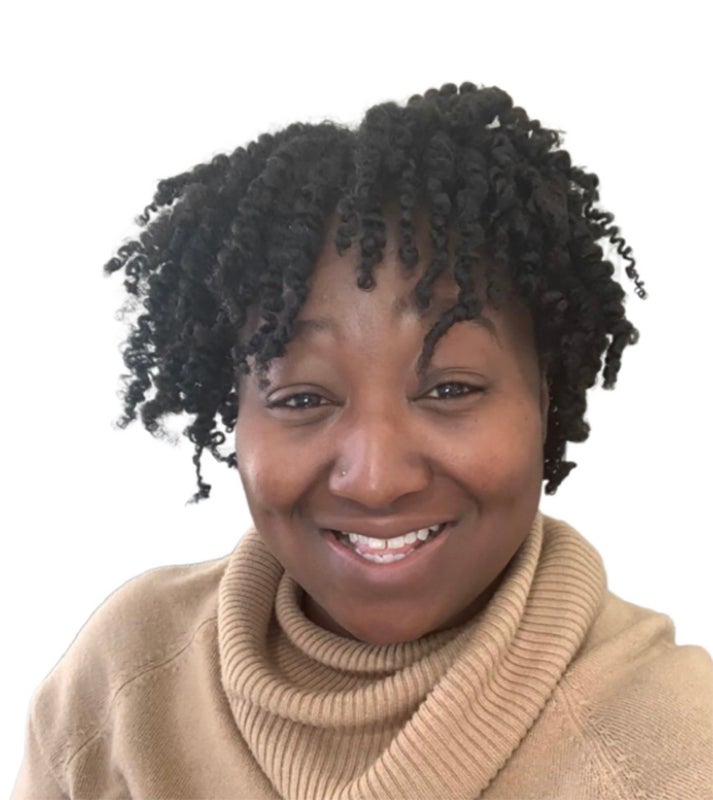
Latashia: What surprised me is how multidisciplinary we are. And that's been helpful to patients. Our different experiences allow us to provide more tailored behavioral health care.
Novella: We have a history of developing our team from within. We help create pathways for our therapists as they advance from BSW, MSW, to LCSW within the department. We've ensured that this team can support that growth. I think it's important to know what people's passions are, to make sure they have the resources they need, the opportunities, and that they're happy doing the work they do. I found that ensures retention and a commitment to the same shared mission.
What are your goals moving forward?
Novella: We are grateful to have strong support from the UVA Health Foundation and the community around philanthropic funding for positions to ensure this important need is addressed throughout the community and region. I'm pleased to share that we recently received two generous philanthropic gifts that will allow us to expand our behavioral health services by adding two more LCSWs to our team. One will join our Community Paramedicine program, creating a Mobile Integrated Behavioral Health team that brings behavioral health expertise directly into the communities we serve. The second will expand access to behavioral health services in areas where data demonstrate the greatest unmet needs, allowing us to strategically direct resources where they can have the most meaningful impact.