5.4.2026
UVA Health Update | May 4, 2026
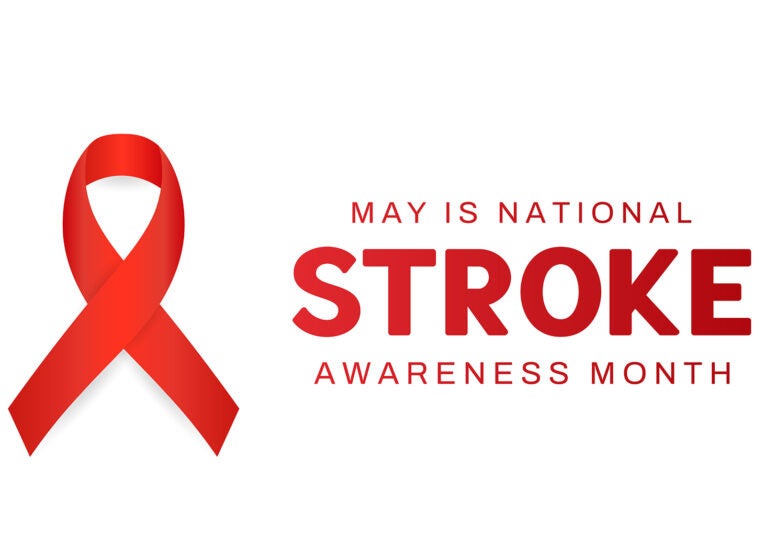
May is National Stroke Awareness Month. A sweeping clinical trial at UVA Health and more than 150 other sites has identified how best to prevent strokes and save lives in patients with dangerous narrowing of the large blood vessels that provide oxygen to the brain.
The CREST-2 trial looked at more than 2,400 patients with severe, symptom-less, carotid stenosis to determine which commonly used treatment approaches were most beneficial in preventing deaths and stroke. In parallel studies conducted across five countries, researchers compared two treatments:
Researchers found stenting led to a significantly lower risk of stroke and death. Those results will reshape the care many patients receive, helping save lives.
“We now know that in patients with severe carotid stenosis who are without symptoms can benefit from carotid artery stenting," says Avery Evans, MD, a UVA Health interventional neuroradiologist who served as principal investigator for the trial at UVA Health. “This treatment can help prevent stroke in a large number of patients who suffer from narrowing of the carotid arteries.”
Causes of Carotid Artery Stenosis
Up to 5% of people are thought to have carotid artery stenosis, though many have no idea. The condition often has no symptoms until a patient suffers a “mini stroke” called a transient ischemic attack. Because carotid artery stenosis is caused by the buildup of fatty plaques in the arteries over time, most patients tend to be older — ages 50 and up. Before age 75, men are at highest risk; after 75, women are at higher risk. Smoking, obesity, and conditions such as high blood pressure and diabetes increase that risk.
Doctors take very different approaches to managing carotid artery stenosis around the world. The uncertainty about best practices prompted the CREST-2 investigators to launch their trial. Participants had severe narrowing of their carotid arteries — 70% or more — but were asymptomatic.
The stenting arm of CREST-2 compared carotid-artery stenting plus intensive medical management (such as health coaching) with intensive medical management alone, while the endarterectomy trial compared carotid endarterectomy plus intensive medical management with only intensive medical management.
The investigators followed trial volunteers for four years. In the stenting trial, they found 6% of patients who received medical management alone suffered strokes or died, while only 2.8% of patients who received stents did so.
In the endarterectomy trial, 5.3% of participants who received medical management died or suffered strokes, while 3.7% of those who underwent the surgical procedure died or had strokes.
Based on their findings, researchers conclude carotid endarterectomy did not provide “significant” benefits, while stenting did.
The CREST-2 researchers are conducting a follow-up study tracking long-term outcomes to further advance our understanding of the best way to treat carotid artery stenosis.
Conducting this type of research — trials with concrete benefits for improving patient care — is a primary mission of the new UVA Paul and Diane Manning Institute of Biotechnology. The institute aims to improve our understanding of the most complex medical conditions and accelerate the development of new treatments and cures to benefit patients across Virginia and around the world.
UVA is launching a statewide clinical trials network to increase access to these potential new treatments as they are being developed and tested.
Findings Published
The CREST-2 researchers have published their findings in the prestigious New England Journal of Medicine. A list of the authors and their disclosures is contained in the paper.
The research was supported by the National Institutes of Health’s National Institute of Neurological Disorders and Stroke, grants U01 NS080168 and U01 NS080165; Centers for Medicare and Medicaid Services; and by NIH StrokeNet, grant U01 NS086872.
To keep up with the latest medical research news from UVA and the Manning Institute, bookmark the Making of Medicine blog.