3.24.2026
Community Strong: UVA Health Grant Empowers NAMI of Prince William to Foster Community Engagement in High Schools
This monthly community newsletter from Dr. Mitchell Rosner, interim Executive Vice President for Health Affairs, highlights how UVA Health serves our patients and the community. To stay up to date on operations, clinical services, and research efforts featured in UVA Health Community Update, subscribe here.
Dear Friends of UVA Health,
As we settle into the new year, I hope you and your loved ones are staying well. In this month’s Community Update, we’re sharing important information about influenza and other respiratory illnesses, as our region is experiencing a particularly high volume of cases, not unlike many other areas of the U.S. You’ll also find updates on UVA Health’s recent research discoveries, workforce development efforts, and national recognition for UVA Health University Medical Center.
Thank you for taking the time to stay informed, and I wish you good health in the weeks ahead.
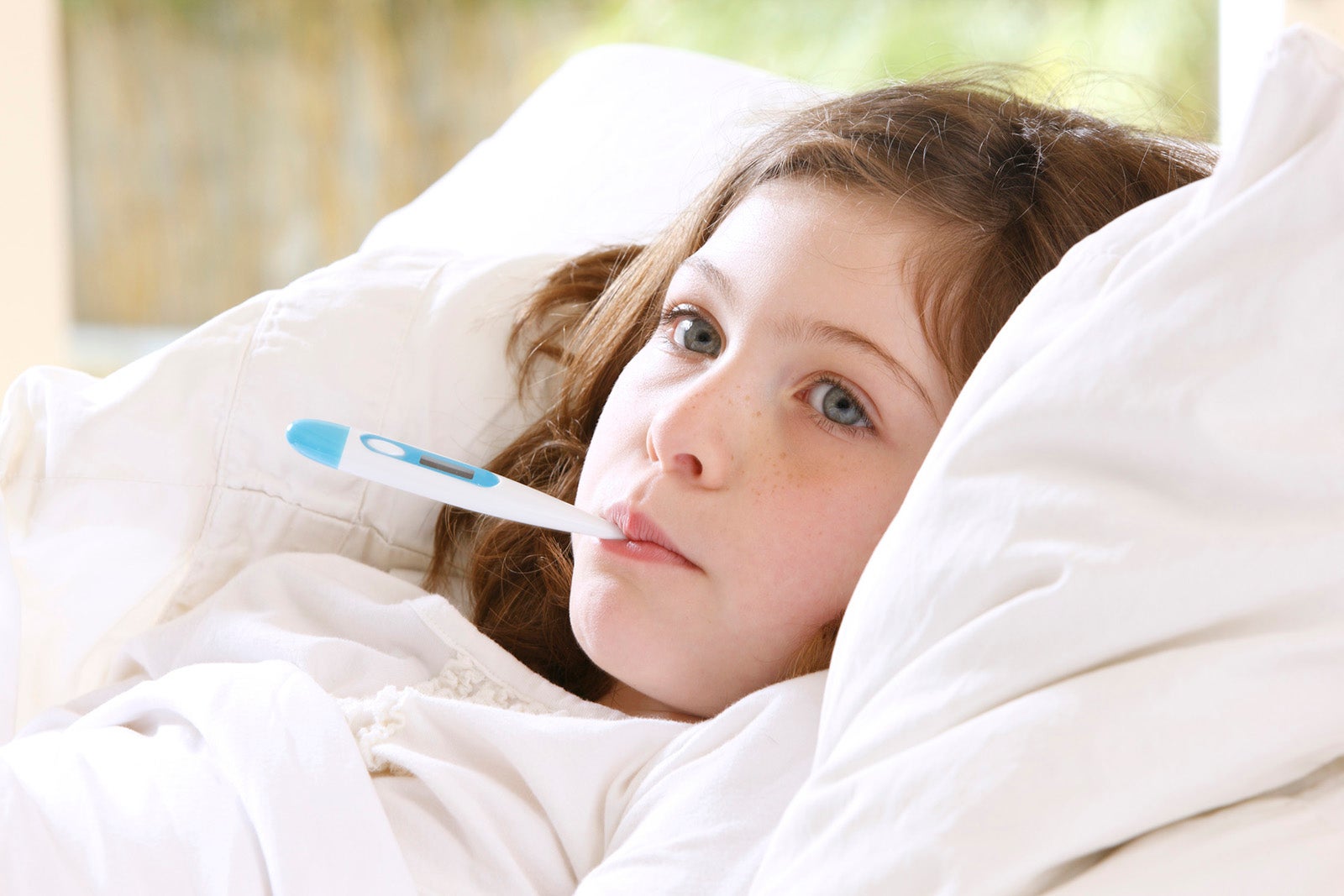
Central Virginia is currently experiencing elevated influenza activity, along with other respiratory illnesses such as COVID-19 and RSV. As part of a coordinated regional effort, health systems are encouraging people with symptoms to wear masks in care settings, practice good hygiene, stay home when sick when possible, and seek the right level of care — helping preserve emergency department capacity for those with serious illness or injury.
Costi Sifri, MD, professor of infectious disease and director of hospital epidemiology at UVA Health, shared details about what he’s seeing locally and steps individuals and families can take right now.
Q1: What are you seeing locally right now when it comes to flu activity?
A1: Flu activity began rising in early December and accelerated quickly over the holidays, peaking in late December and early January. While recent data suggests a shift toward lower activity, it’s too early to know if that trend will hold. UVA Health providers remain very busy and continue to see a high volume of patients with flu and other respiratory illnesses in our clinics and the emergency department.
Q2: How can people tell the difference between flu, COVID-19, RSV, and a common cold?
A2: Flu often starts suddenly with fever, body aches, fatigue, cough, and sore throat. COVID-19 can look similar but may develop more gradually. RSV is more likely to cause pronounced congestion and wheezing and is especially concerning for infants, older adults, and people with underlying health conditions. Common colds are usually milder, with a runny nose, sneezing, and less severe fatigue. Because symptoms overlap, testing is the most reliable way to tell these illnesses apart.
Q3: Is it still worth getting the flu vaccine if I haven’t gotten one yet?
A3: Yes. Because we’re likely only partway through the season, we strongly recommend that anyone who hasn’t yet been vaccinated receive their flu shot. Flu activity often lasts several weeks or longer, and in some seasons, it can surge again after the initial peak — which can be tied to a shift in the predominant circulating flu strain. The vaccine provides protection against three common strains, including influenza A (both H3N2 and H1N1), and influenza B, described below. This combination vaccine provides broad coverage against strains most likely to circulate during flu season.
Q4: Are there effective treatments for the flu?
A4: Yes. Antiviral medications can help treat flu, especially for those at increased risk of complications. Oseltamivir (Tamiflu), taken by mouth, is the most commonly known. It is most effective when started within the first few days of symptoms. In certain situations, oseltamivir can also be used to prevent infection. Antiviral medications are not a substitute for vaccination, which remains the best protection against flu and its complications.
Q5: When should someone seek medical care urgently for flu symptoms?
A5: Most people can recover at home, but urgent medical attention may be required for symptoms such as trouble breathing, chest pain, severe vomiting, dehydration, sudden dizziness, or confusion. Symptoms that improve and then suddenly worsen, such as a returning high fever or a deeper, more productive cough, also deserve prompt attention. Children may show other warning signs, such as bluish lips or poor fluid intake. In infants, fever, poor feeding, or unusual sleepiness should be taken seriously. Older adults and people with chronic health conditions should watch for sudden weakness or a worsening of existing medical problems.
Q6: What are the most important steps people can take right now?
A6: These three practical steps the biggest difference right now:

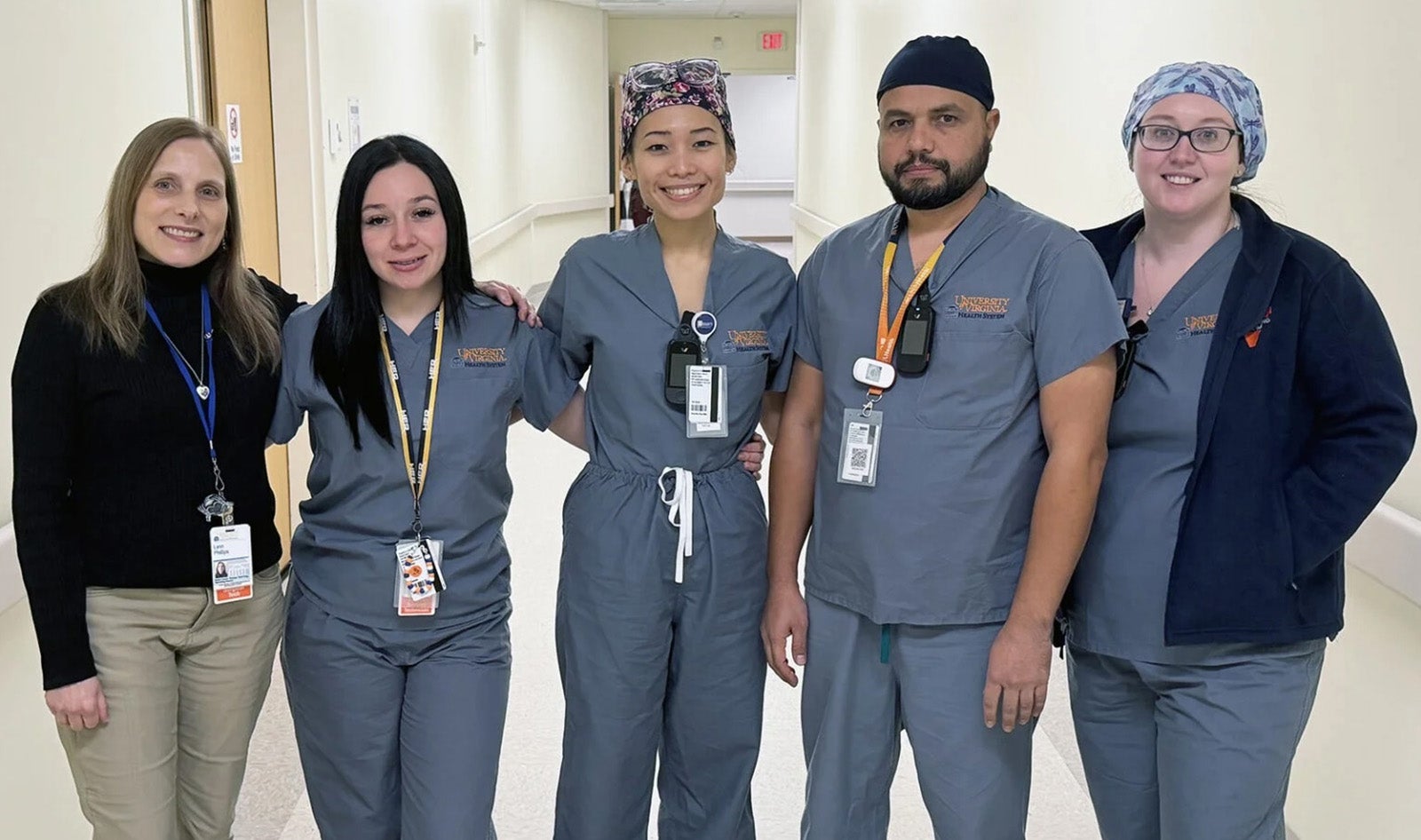
UVA Health will graduate the first cohort of its Earn While You Learn Surgical Technologist program later this month, helping to address regional workforce shortages in operating rooms. Launched in 2022, the Earn While You Learn program has become a proven pathway for training and retaining healthcare workers, helping community members — many without prior medical experience — enter clinical careers. Surgical Technologist is one of our seven advanced programs, open to current University Medical Center employees. However, many EWYL programs are entry-level and open to anyone. Those include Access Associate, Emergency Medical Technician (EMT), Certified Medical Assistant (CMA), Patient Care Technician (PCT), Pharmacy Technician, Phlebotomy, and Sterile Processing Technician. Learn more information about these programs, including upcoming informational sessions.


Thank you for taking the time to stay informed and for continuing to look out for one another. I hope you stay healthy — and warm — this winter season.
Mitch
Mitchell H. Rosner, MD, MACP, FRCP
Chief Executive Officer, UVA Health
Executive Vice President for Health Affairs, University of Virginia
Henry B. Mulholland Professor of Medicine