8.11.2026
A Year of Superb Care at UVA Health Family Medicine and Same Day Care Dominion
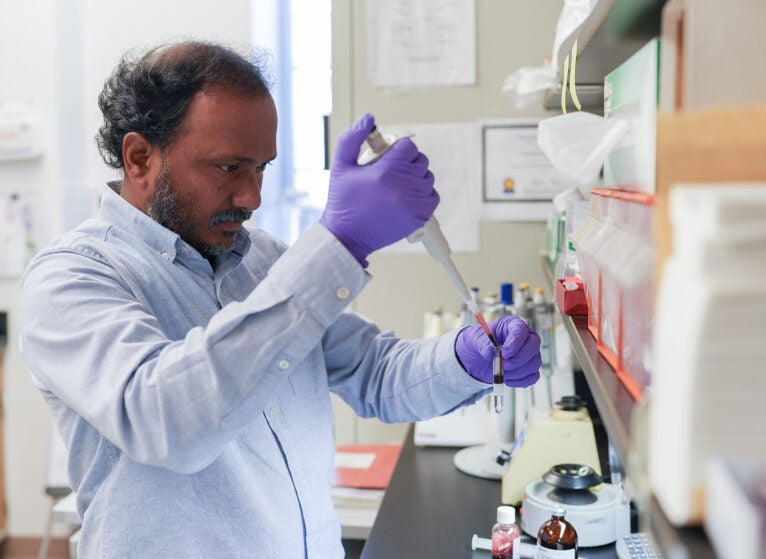
UVA Health researchers have discovered how a form of delirium that often strikes older patients after surgery — may set the stage for dementia — and identified a drug that could reverse the underlying brain changes.
Nadia Lunardi, MD, PhD; Hari Prasad Osuru, PhD; and colleagues found anesthesia, surgery and intensive care stress (ASI) altered gene activity in the brains of aged mice. These changes disrupted memory formation and regulation of the internal biological clock, leading to cognitive impairment and sleep disturbances similar to those observed in postoperative delirium in human patients.
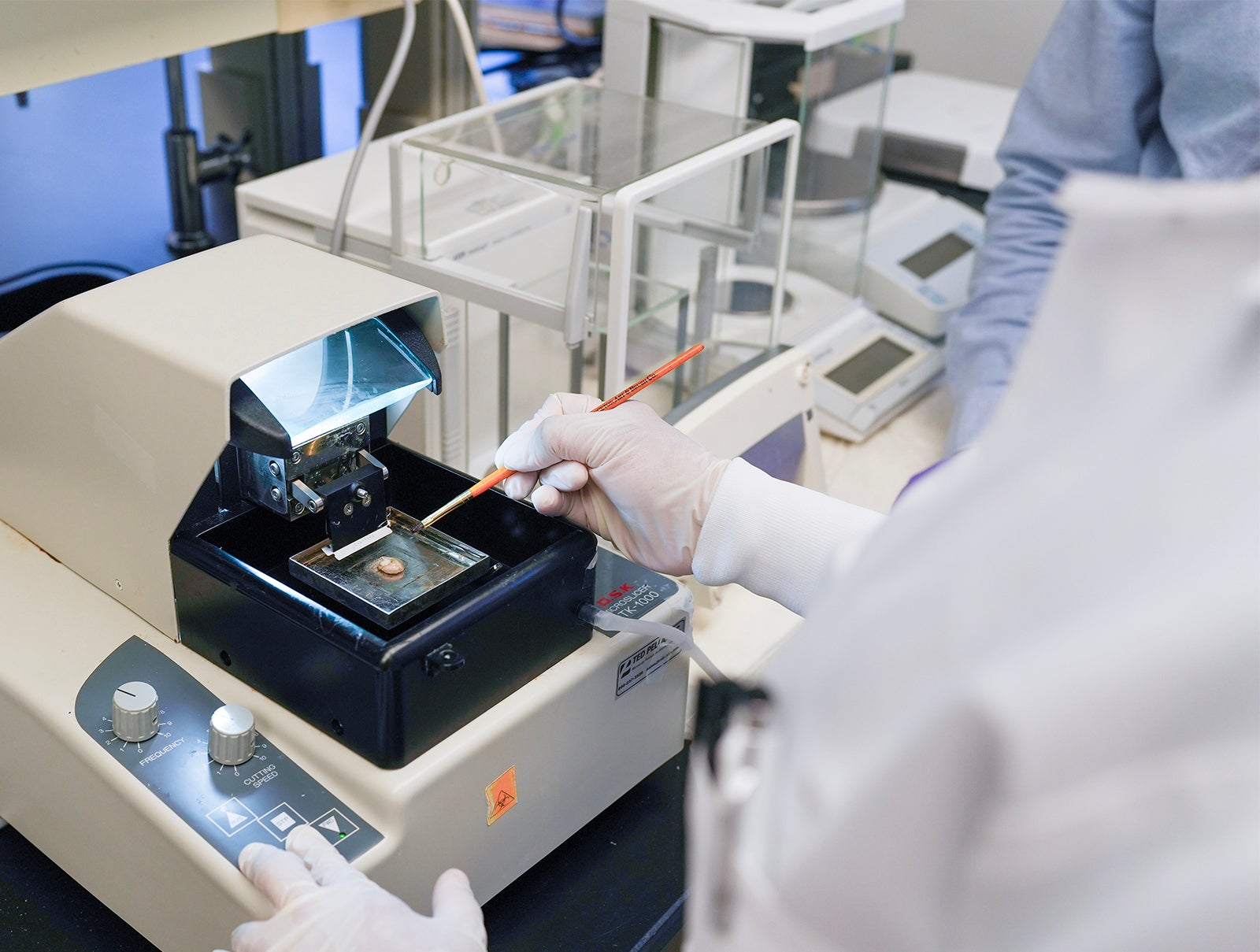
But vorinostat, an FDA-approved drug used to treat certain types of T-cell lymphoma, reversed many of these harmful changes. Mice that received the drug before exposure to anesthesia, surgery, and intensive care-related stress showed improved neuronal structure and cognitive performance. The drug restored the function of genes involved in memory and regulation of the body's biological clock, improved sleep patterns, and led to fewer delirium-like symptoms.
"Postoperative delirium affects millions of older adults worldwide and is associated with longer hospital stays, increased complications, and a greater risk of subsequent cognitive decline. Despite this, the biological mechanisms driving this condition and linking an acute episode of delirium to long-term cognitive decline remain poorly understood,” explains Dr. Lunardi, Division Chief, UVA Health Neuroanesthesia Division, and a member of UVA School of Medicine’s Department of Anesthesiology. “By identifying reversible biological changes associated with surgery and intensive care — or perioperative stress — that contribute to postoperative delirium, we hope this work will pave the way for new strategies to prevent the condition and reduce the risk of long-term cognitive decline in vulnerable older patients.”
Postoperative Delirium’s Dire Effects
Postoperative delirium can strike people of any age but is particularly common in older and frail patients. The American Delirium Society estimates that the condition affects 7 million hospitalized Americans each year and is responsible for up to $152 billion in healthcare costs. The condition is also a strong risk factor for subsequent cognitive decline and dementia. The connection between postoperative delirium and dementia, however, has remained unclear.
The new work by Dr. Lunardi and her collaborators helps explain that link by identifying brain vulnerabilities that may contribute to longer-term decline. Researchers found the stresses of anesthesia, surgery, and intensive care left a molecular imprint on the brain, altering how genes function. These changes involved two “epigenetic” mechanisms that control whether genes are turned on or off. The resulting changes impaired the brain’s ability to form memories and learn new information while also disrupting the internal clock that regulates healthy sleep patterns, the research suggests.
"These findings provide an important biological substrate for how the cognitive vulnerability associated with delirium develops and identify epigenetic pathways as promising preventative and therapeutic targets," says Osuru, a research scientist in UVA’s Department of Anesthesiology.
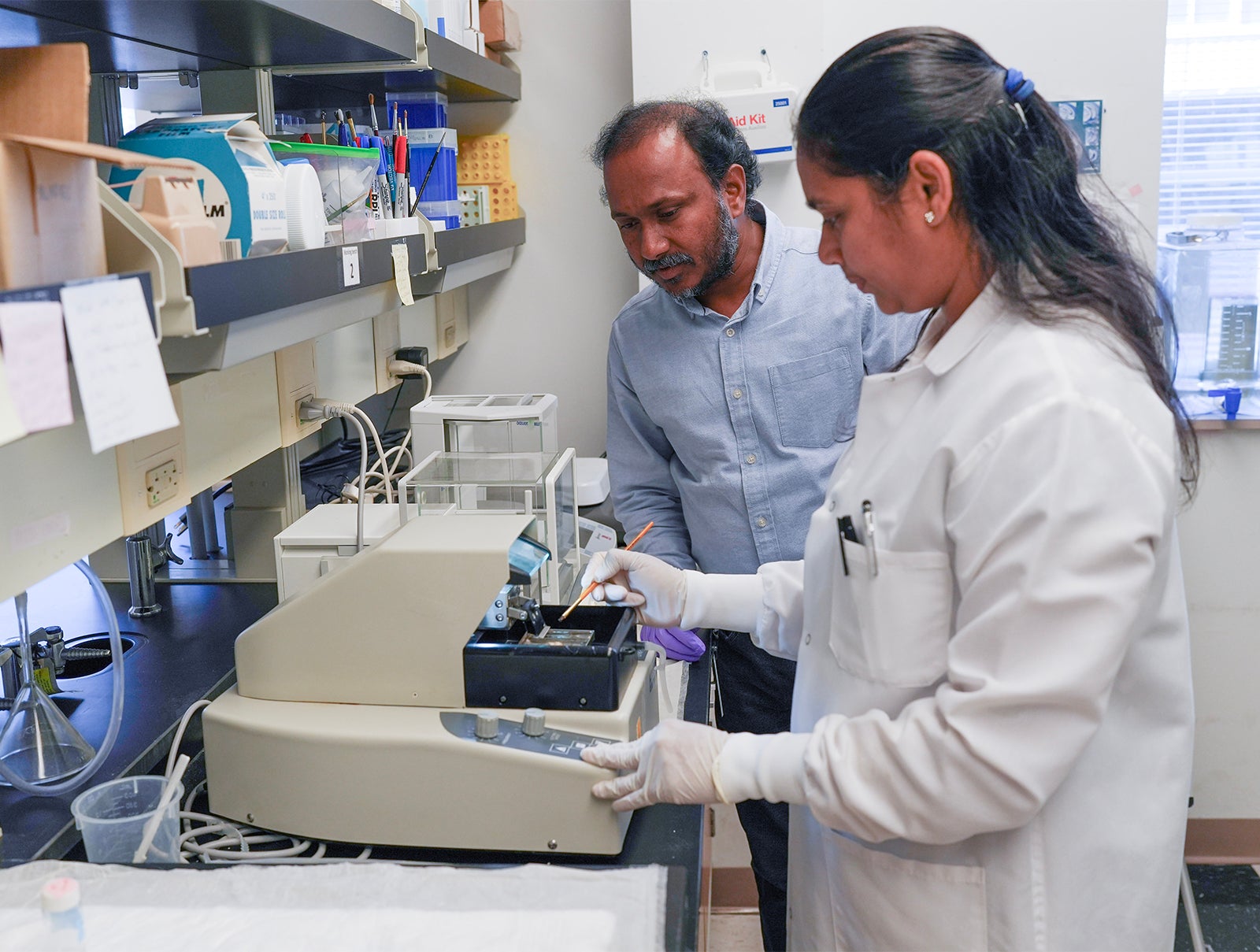
While the scientists are continuing their research, the finding that these brain changes could be reversed by vorinostat is promising. It suggests that the drug, or other treatments targeting the same pathways, may eventually provide similar benefits to human patients, potentially helping prevent the long-term cognitive problems that can follow postoperative delirium.
“We are now using advanced single-cell technologies and spatial transcriptomics to determine how specific brain cell populations respond to perioperative stress. These studies will help us identify the precise cell-specific mechanisms driving postoperative delirium and guide the development of more targeted therapeutic strategies,” Dr. Lunardi says. “Ultimately, our goal is to translate these discoveries into interventions that prevent postoperative delirium, improve recovery after surgery, preserve long-term brain health, and reduce the risk of cognitive decline in vulnerable older patients.”
Findings Published
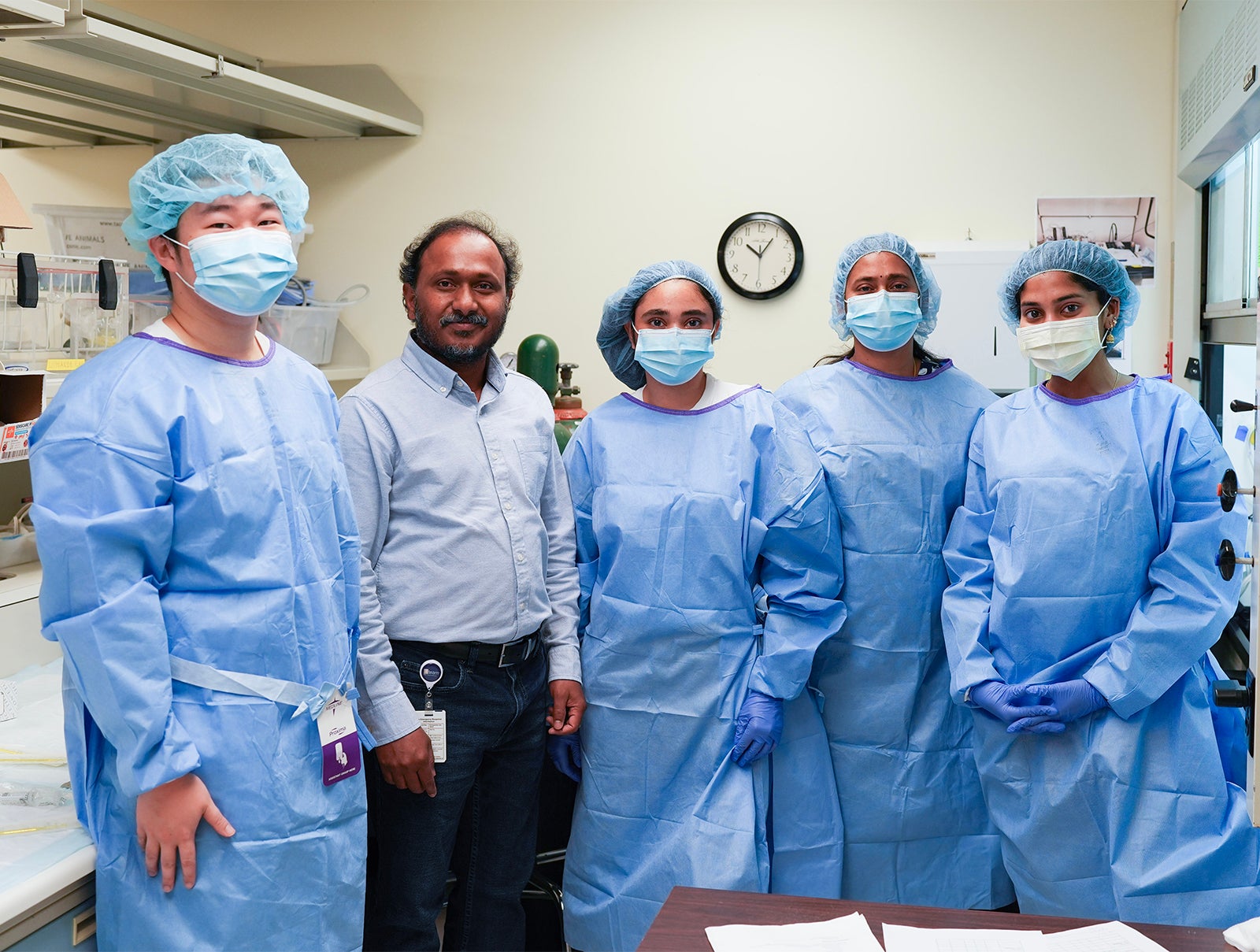
The researchers have published their findings in the scientific journal Alzheimer's & Dementia. The research team consisted of Osuru, Navya Atluri, Tam Le, Jinny Park, Michal Jedrusiak, Elzbieta Dulko, Meghana Illendula, and Dr. Lunardi.
The research was supported by the National Institutes of Health’s National Institute of General Medical Sciences, grant K08GM123321.
To keep up with the latest medical research news from the School of Medicine and UVA’s new Paul and Diane Manning Institute of Biotechnology, bookmark the Making of Medicine blog.