8.10.2026
UVA Health Update | Aug. 10, 2026
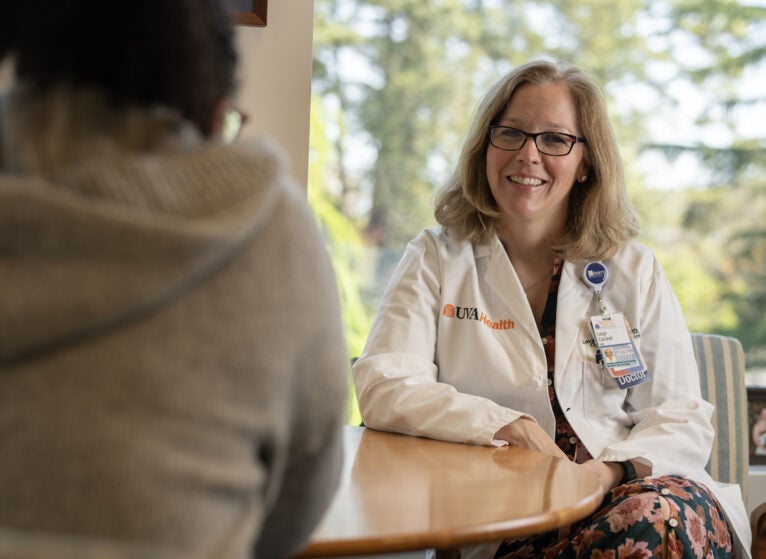
Leigh Cantrell, MD, Medical Director, UVA Health Oncology Services, is grateful the Couric family’s new gift recognizes the importance of nurses to the patient experience.
Some conversations never leave us. John Couric Jr. vividly recalls one such conversation with his mother while his sister, Emily Couric, was battling pancreatic cancer. Emily had just signed on to participate in a clinical trial in Texas. “Do you think it will help her?” his mom asked. After a pause, John said, “I hope so,” and, in that moment, he said he realized the true importance of hope — not only for patients, but also for their loved ones.
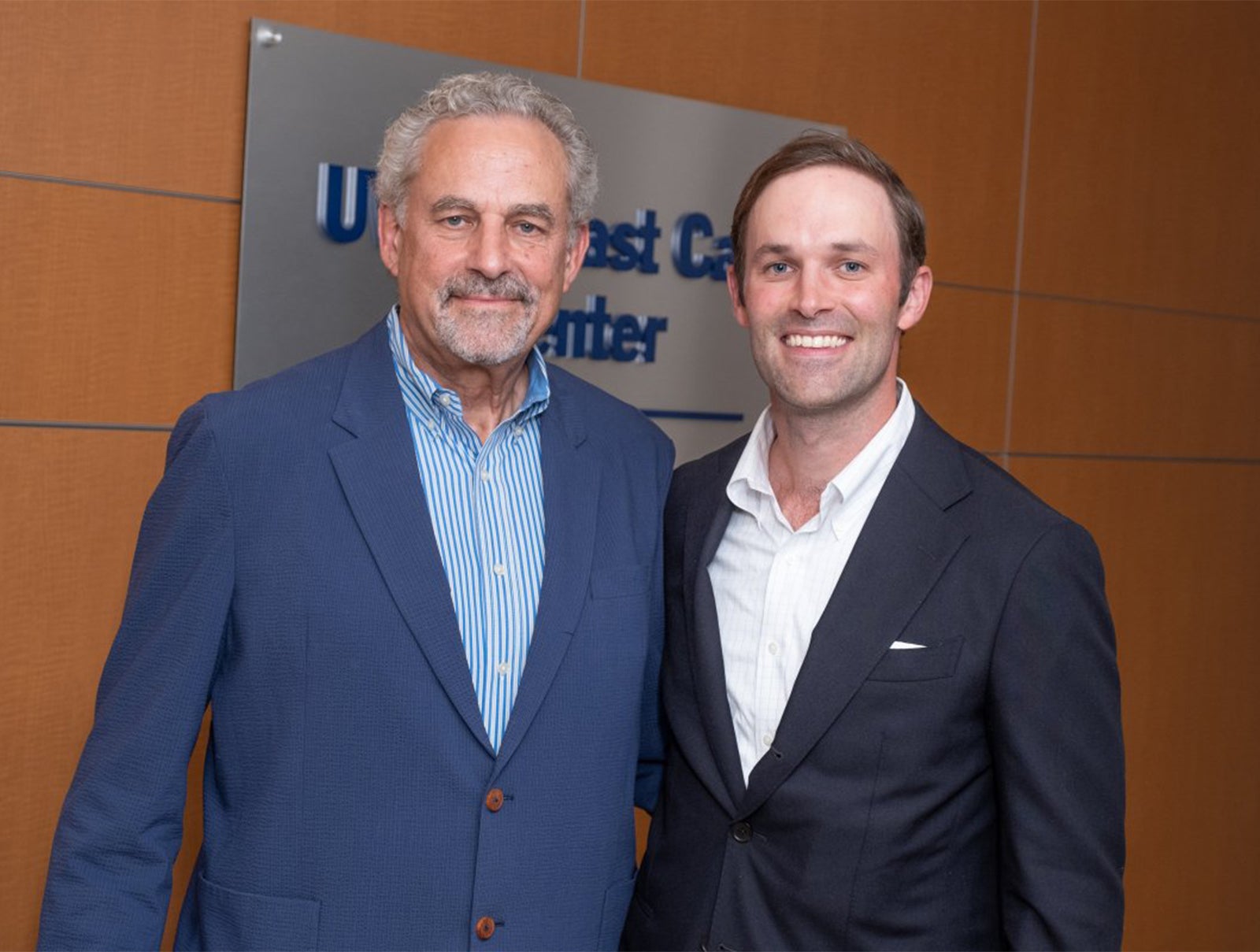
Over the years, John and the extended Couric family have developed a deep and abiding relationship with UVA Comprehensive Cancer Center. Both John, and his son, Martin Couric, currently serve on the center’s Volunteer Advisory Board.
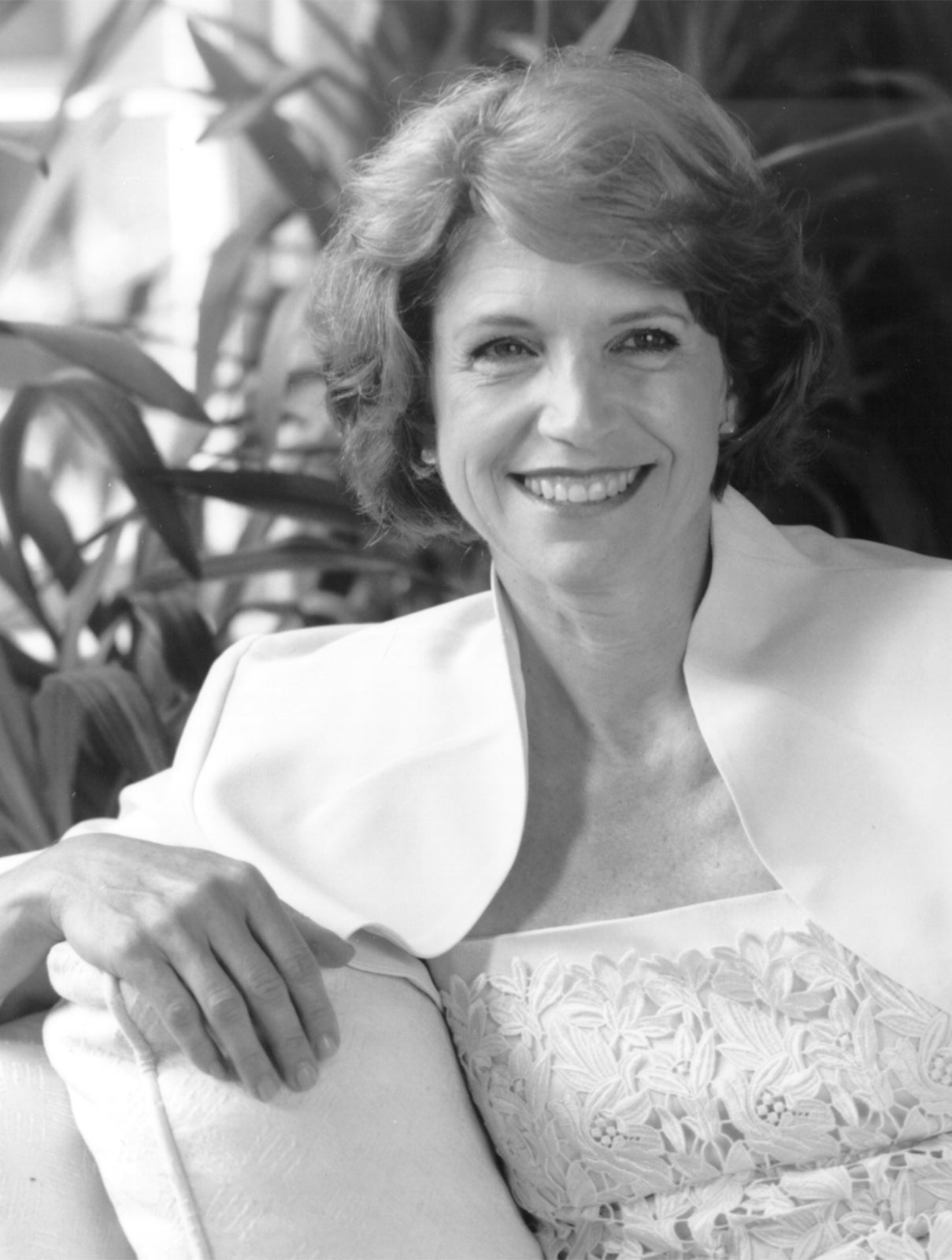
UVA Health’s main outpatient cancer clinic, the Emily Couric Clinical Cancer Center, is named for John’s sister, a two-term Virginia state senator who passed away in 2001. Emily was a fierce advocate for healthcare resources, patient support, and cancer research in Virginia, and she was instrumental in establishing UVA Health’s flagship cancer clinic in Charlottesville. She worked with UVA Health leaders to design a centralized facility where patients and families could receive comprehensive care in a warm, dignified environment. Emily also spearheaded efforts to secure state and private funding for the facility.
One of John’s other sisters is Katie Couric, the well-known journalist and UVA alumna. Katie has been an outspoken advocate for — and supporter of — cancer care and research since losing her husband, Jay Monahan, to colorectal cancer in 1998.
Recently, John said he began thinking about how the cancer center’s nurses, technicians, and other clinic staff could be affected by cuts in cancer research funding and other financial pressures currently facing hospitals and cancer centers across the country. “Often, the first things reduced in a climate like this are training and resources for staff, and that’s why supporting the cancer center’s clinical operations and personnel became so important to us,” he explains.
He and his family recently created the Couric Family Oncology Clinical Operations Support Fund to sustain and expand professional development opportunities for the nurses, technicians, and other staff who are vital to UVA Health’s clinical cancer operations.
“People often understand the importance of great facilities, advanced technology, strong physicians, and excellent medical care. But I think people also need to recognize how essential the clinic staff are,” says John.
“Charlottesville is a small, tight-knit community. The cancer center’s staff and their families are a big part of what makes our area a wonderful place to live. We want to make sure they are recognized and feel how much they are appreciated. Providing an opportunity for them to pursue their career goals is one way we can show our support,” says Martin.
According to John, cancer clinic staff in supportive roles — from infusion nurses and radiation technicians to the personnel who manage patient registration, insurance, and admissions — often have the most patient contact and substantially affect how patients feel. That’s critical because “when someone leaves an infusion appointment under very difficult circumstances, it matters that they walk away feeling hopeful,” he says.
Supporting the Team
“This generous funding from the Couric family has opened up many professional development opportunities for our nurses, from attending conferences and continuing education events to obtaining new certifications,” says Blake Herring, MSN, RN, Associate Director for Clinical Administration. “For example, some nurses are already preparing to enroll in a new program through the Oncology Nursing Society to become Radiation Oncology Certified Nurses, and this kind of support will elevate that effort.”
Leigh Cantrell, MD, Medical Director. UVA Health Oncology Services, agrees. “This fund recognizes, from a patient’s perspective and a family’s perspective, the role that the nurse plays in patient care. We can’t say thank you enough to our nurses, and this is just another way that we can show them how much we appreciate them and support their professional growth."
Beyond nurses, staff across UVA Health’s cancer service line will be eligible to use resources from the Couric family’s gift to develop new skills, participate in leadership training, or pursue continuing education opportunities. The fund will also support celebrations such as National Nurses Week at UVA Health and other initiatives aimed at fostering engagement, recognizing contributions, and maintaining staff morale. “In cancer care, we are a family, caring for some of the sickest people. It can be challenging. Not every patient outcome is positive. That’s hard,” says Herring.
“One of the things that has always stood out to me is how much the staff love working at the cancer center. Every time I ask, they always say they love it, and that speaks volumes about the leadership and culture,” says John. “If staff stay, grow professionally, and continue learning here, that strengthens the cancer center over time, creating continuity and stability for patients.”
Meaning and Gratitude
“The Courics have already given so much to UVA and the cancer center. Having John and Martin on our advisory board has been phenomenal. The new fund makes it clear that they’re listening to the stories about our staff. And, it’s very meaningful because it allows us to support our staff in ways we otherwise could not,” says Herring.
For John, his wife, Mary Ann, and his family, the fund is another way to sustain Emily’s legacy, support the University, and contribute to the fight against cancer. John, Mary Ann, Martin, and Martin’s wife, Alida, also have included support for UVA Comprehensive Cancer Center in their estate plans. “I like knowing that our support will continue even after I’m no longer here,” says John. “Sadly, more people are developing cancer, and often at younger ages. Philanthropy is more important than ever in helping institutions address those challenges and continue advancing care.”
“It has been an honor for me and my family to advocate for what my Aunt Emily believed in so strongly. The fight against cancer is far from done, but we feel so encouraged by who is leading the way for us and our future generations,” Martin adds.