10.5.2026
Achieving Exceptional Outcomes: UVA Health University Medical Center Honors FY26 Q4 Patient Experience Award Recipients
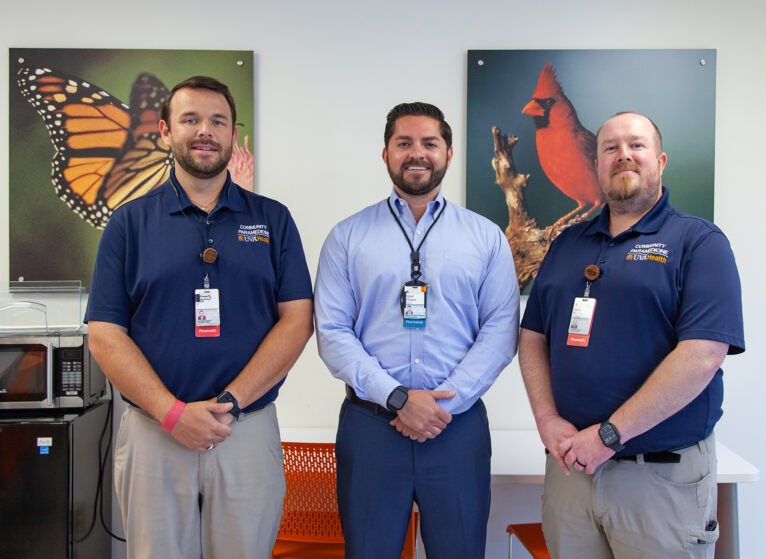
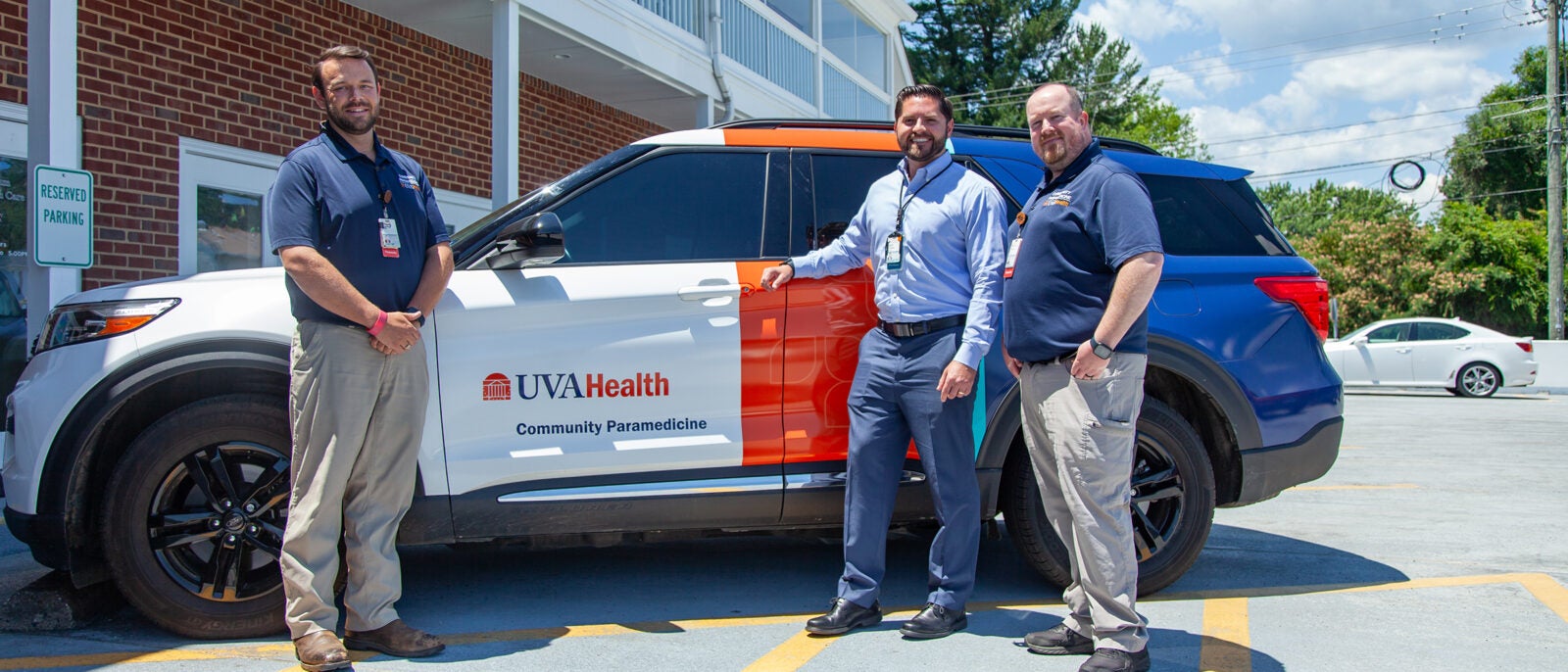
From left: Community Paramedicine team members Taylor Tereskerz, Robert D'Eramo, and Patrick Watson.
Furthering Population Health’s efforts to broaden the boundaries of traditional patient care, the Community Paramedicine program was launched in 2022 to serve patients in need of additional support outside of our hospitals and clinics. “We want to keep patients in their homes and healthy — that’s the goal,” says Robert D’Eramo, PharmD, MSHA, CHFP, FACHE, Director of Clinical and Strategic Initiatives, Population Health and Post-Acute Care.
To do so, a team of three pre-hospital clinicians — all practicing paramedics and EMTs — brings clinical care and support services to patients where they live. “By being able to see patients in their own environment, we can better understand what is blocking them from being successful at home. Barriers don’t always show up in their medical records,” says D’Eramo.
Patients referred to the Community Paramedicine program are some of our most complex; a majority have chronic conditions and have made multiple visits to the Emergency Department. “We get a report generated every morning from Epic that shows us any patients that have had four or more ED admissions in a rolling 60-day period,” says D’Eramo. “We also receive referrals from other departments and clinics. And sometimes, other agencies — like social services or local Fire and Rescue — will reach out to us about a complex patient to ask us to take a look.”
During their initial, on-site assessment, the paramedicine team takes vitals, addresses medical concerns, conducts a mental health screening, and discusses the patient’s care plan. “Often, the patients have just been discharged from the ED, and so we review their discharge paperwork with them and make sure that all their follow-up appointments are lined up,” says D’Eramo. “We make sure they have their medications and understand how to take them.”
Also part of every patient’s first visit is a Social Drivers of Health (SDOH) screening and a home safety assessment. The team records all their findings in Epic, and then they go one step further. They begin looking for solutions to remove potential health risks or resolve identified barriers to care.
“We can’t always fix everything, but our team has a really great understanding of the resources available and ways to get patients the help they need,” says D’Eramo.
From installing handrails and smoke detectors to fixing utilities, securing transportation and arranging food deliveries, this team partners with a wide variety of teams across UVA Health, as well as many community organizations, to help solve problems that may put patients at risk for injury or impede their ability to adhere to a care plan. Sometimes, the best solutions come from simply listening and observing a patient at home.
“We had one patient who could not get their diabetes under control, and they kept coming to the ED with hyperglycemia,” says D’Eramo. “When we spoke to the patient, he said all he eats is fish. But when we looked in the fridge, it was all frozen fish sticks. So there was a disconnect that we were able to identify and remedy by visiting them in person.”
For another young patient, this team discovered the source of migraines that were leading him back to the ED on a weekly basis. “We realized that he was squinting to see any time we handed him something on paper,” says Taylor Tereskerz, one of the team members who helped launch the Community Paramedicine program. “We got him into an eye doctor to get glasses, and he hasn’t been back in the ER since, to our knowledge.”
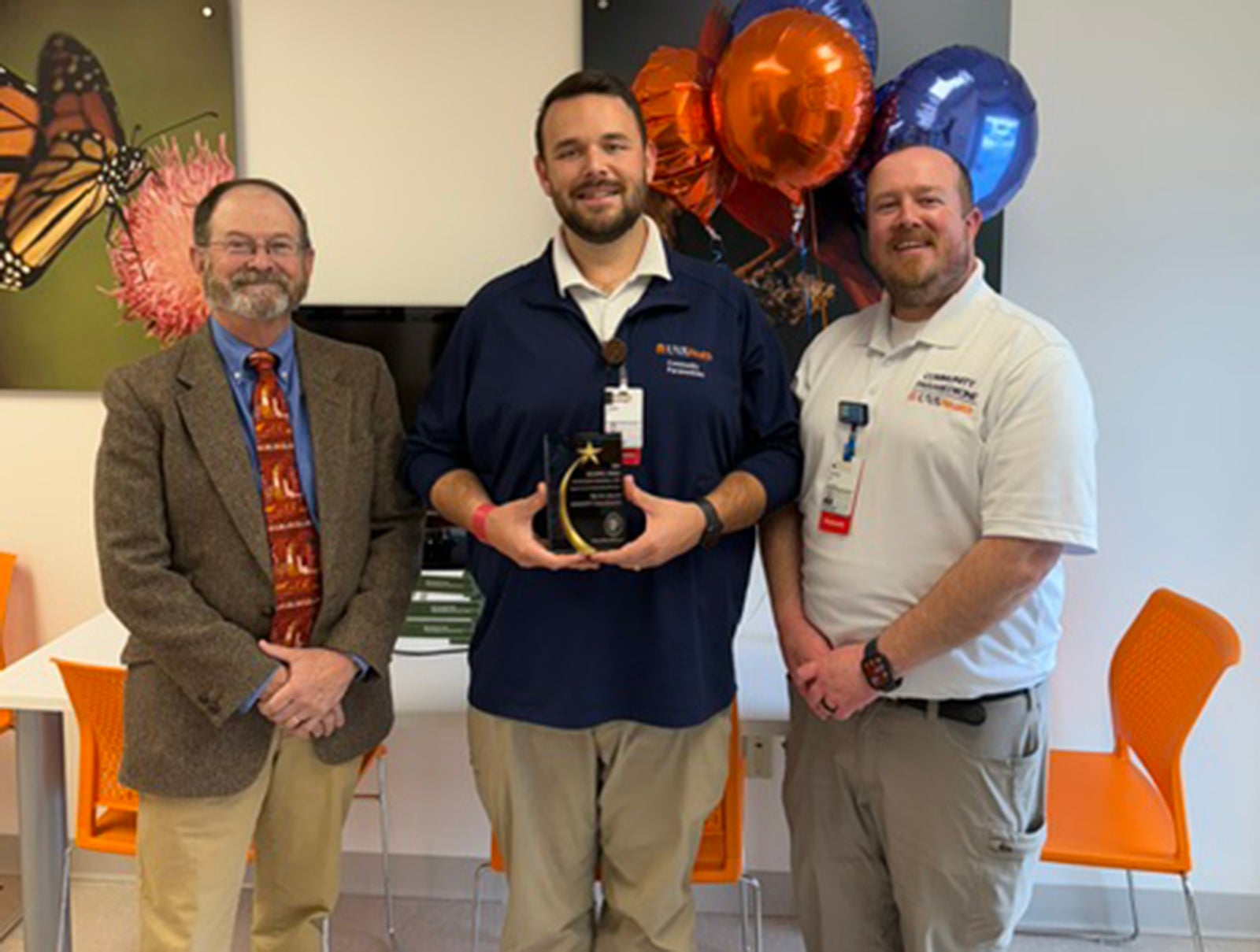
The paramedicine team returns weekly to monitor a patient’s progress and then visits safely taper off over the course of around three months. This consistent, personalized, hands-on approach to care has made a measurable difference, significantly reducing hospital admissions. “We have shown that we decrease ED visits by about 70%, down from 4.25 visits to 1.75,” says D’Eramo.
Yet, the real rewards, while hard to quantify, are more lasting. “Keeping our numbers up is very rewarding for us because it's a new program and we can see that what we're doing is working,” says Tereskerz. “But watching a patient’s health and their life get better— that is the most rewarding thing.”
”In the back of an ambulance, you may save somebody's life, but then you don't know the outcome,” adds Patrick Watson, another founding member of the paramedicine team who has worked in the EMS field his entire career and has been part of Population Health for a decade. “In this role, we can see the impact we have on a patient’s life. We get to know them and build a relationship, to learn about their lives. There are some of our original patients back when we started the program who stay in touch. They may call us or text us at Christmas. It’s almost like family.”
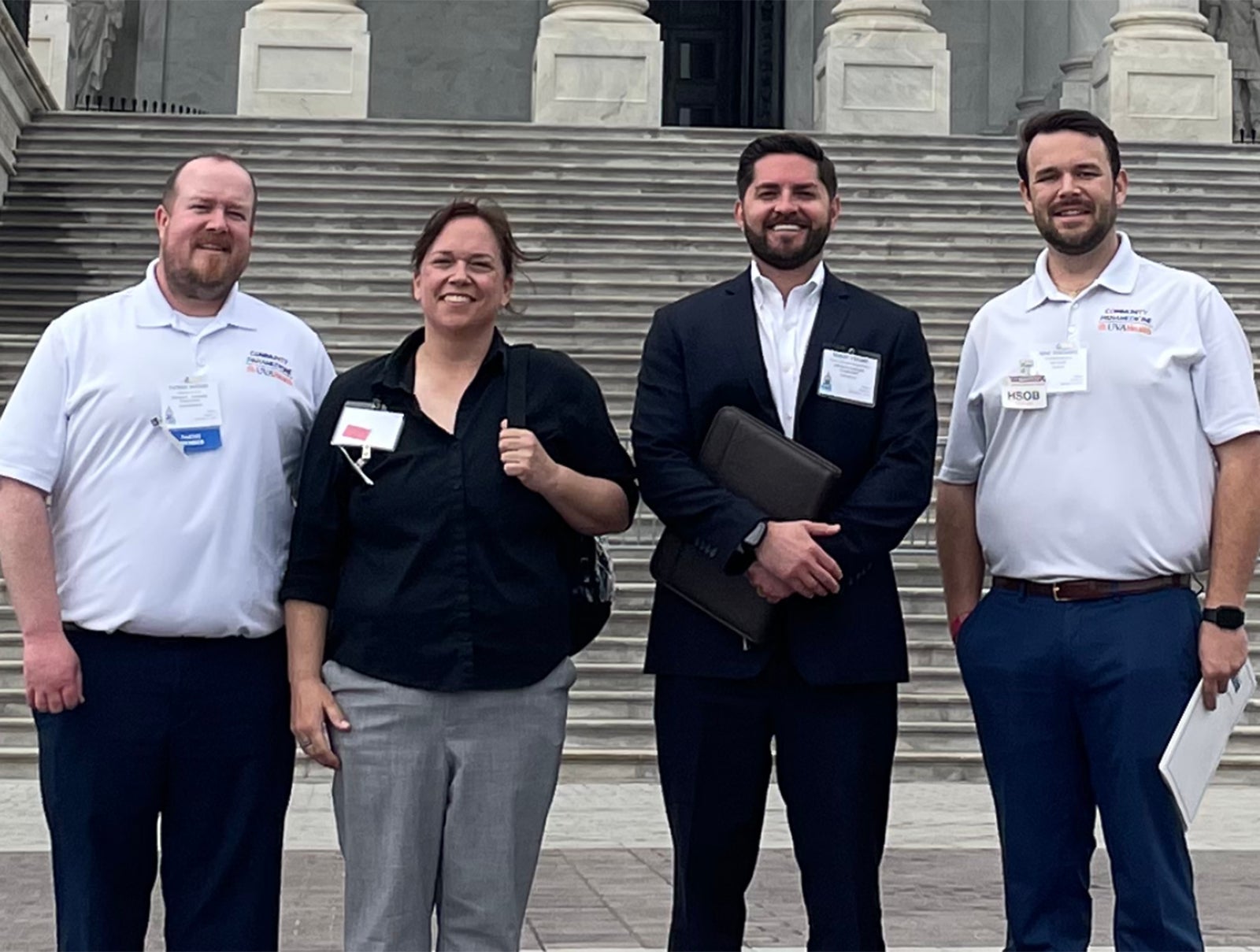
The success of the Community Paramedicine program has inspired this team to look at new ways they might positively impact patients using this unique care model. They have expanded their efforts to include:
On the horizon is another service within the program that D’Eramo says will focus on addressing behavioral and mental health needs within the communities we serve. “The department will be adding a licensed clinical social worker (LCSW) to create a Community Paramedicine team specializing in behavioral health patients,” he says. “That's something that we have been exploring, and we're excited about that rolling out in the coming year.”