9.16.2026video
UVA Health Update | Sept. 16, 2026

This monthly community newsletter from Dr. Mitchell Rosner, interim Executive Vice President for Health Affairs, highlights how UVA Health serves our patients and the community. To stay up to date on operations, clinical services, and research efforts featured in UVA Health Community Update, subscribe.

Dear Friends of UVA Health,
This month, I'm pleased to share examples of how UVA Health is working to expand access to primary care and advanced imaging services, celebrating an extraordinary member of our team, and advancing promising new cancer research. These stories illustrate our commitment to caring for patients, advancing discovery, and serving communities throughout Virginia.
I also encourage you to read this month's feature on tick safety. As tick activity remains high this year, Jeffrey Wilson, MD, shares practical guidance to help you and your family stay safe while enjoying the outdoors this summer and fall. Thank you, as always, for your continued support of UVA Health.
Mitchell H. Rosner, MD, MACP, FRCP
Chief Executive Officer, UVA Health
Executive Vice President for Health Affairs, UVA
Henry B. Mulholland Professor of Medicine

Ticks are especially active across Virginia this year, making it a good time to refresh your outdoor safety habits. We asked UVA Health allergy and immunology expert Dr. Jeffrey Wilson to answer a few common questions about tick season, how to reduce your risk, and what to do if you find a tick.
Q: It seems like there are a lot of ticks this year. Is that true?
Answer: Yes. Earlier this year, the CDC reported early signs that 2026 could be an especially active tick season, and we're seeing that play out anecdotally and in conversations with other colleagues in Virginia who are involved in tick surveillance. Nationally, we saw more emergency department visits related to tick bites and tick-borne illnesses this spring than is typical. While tick activity naturally peaks in the spring and summer, they remain active into the fall — and even on mild winter days — so it's important to stay vigilant whenever you're spending time outdoors.
Q: Besides Lyme disease, what health concerns can tick bites cause?
Answer: Ticks can transmit several pathogens that cause infections, including bacteria, parasites and viruses. Ticks, most commonly lone star ticks, are also associated with alpha-gal syndrome, a red meat allergy that can develop after certain tick bites. While not all ticks will cause an infection or alpha-gal syndrome, it serves as a good reminder that preventing tick bites is important.
Q: What's the best way to protect yourself and your family?
Answer: Ticks live in wooded areas, brush, leaf litter, and tall grass, and they can also be found in backyards and neighborhood parks. If you're hiking, gardening, walking the dog, or spending time in tall grass or wooded areas, use an EPA-registered insect repellent containing DEET or picaridin on exposed skin. DEET has been used as an insect repellent for over 60 years, and picaridin is an odorless alternative to DEET that is also highly effective at repelling ticks. You can also treat outdoor clothing and shoes with permethrin, an insecticide that kills ticks on contact and is intended for clothing and gear — not your skin. Most importantly, do a thorough tick check when you come inside.
Q: What should I do if I find a tick on me?
Answer: Remove it as soon as possible using fine-tipped tweezers. Grasp the tick as close to the skin as you can and pull upward with steady, even pressure. Then wash the area with soap and water and dispose of the tick or save it in a secured container, as it could provide clues to a provider if you later develop symptoms that align with a potential tick-borne infection. Over the next few weeks, watch for a fever, rash, or unusual fatigue. Symptoms such as hives or severe gastrointestinal distress after eating red meat could indicate alpha-gal syndrome. Contact your healthcare provider if you develop concerns about any of these symptoms. Early removal is one of the most effective ways to reduce the risk of tick-borne illness.

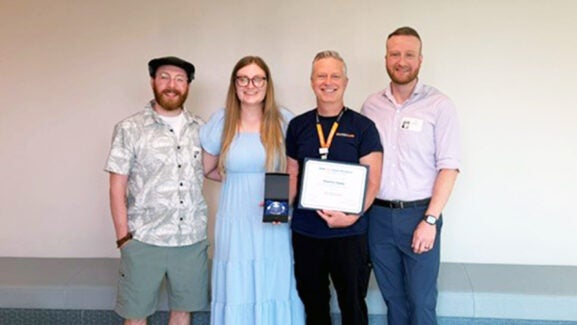
Few people embody the spirit of UVA Health quite like Betty Phillips, BSN, RN. We recently celebrated Betty's remarkable milestone: 70 years of service as a nurse at UVA Health — and her 90th birthday.
Betty continues to work each week in our Plastic Surgery Clinic at University Medical Center, where she mentors team members and shares the wisdom, compassion, and professionalism that have defined her career. Her impact extends far beyond the patients she has cared for over the past seven decades. She has inspired generations of healthcare professionals through her generosity, encouragement, and unwavering commitment to others.
Betty reminds us that while medicine continues to evolve, our mission remains the same. It is, and always has been, about caring for people. I am so grateful she has dedicated almost her entire life to UVA Health and shown all of us what it means to live our mission every day. Read more about Betty.
Access to primary care remains one of the greatest national challenges facing healthcare today. At UVA Health, we're committed to making it easier for people across Virginia to connect with the care they need, when, and where they need it.
I'm pleased to share that, as of July 6, our Virtual Primary Care On Demand service is now available for children ages 5 and older. Whether families need same-day care, ongoing primary care, or an option while waiting to establish with an in-person provider, this service offers convenient access to UVA Health's expert primary care teams through scheduled video visits. Evening and weekend appointments are also available. Patients do not need to be established with UVA Health to use the service. Learn more.

This month, I had the opportunity to join community leaders, team members, and local partners as we celebrated the opening of UVA Health Outpatient Imaging Gainesville.
This new center is another step in our commitment to expanding access to high-quality care across Virginia. By bringing advanced imaging services closer to where people live and work, we hope to reduce travel for patients while ensuring they remain connected to the specialized expertise and resources available across UVA Health.
Northern Virginia continues to grow, and we're committed to growing alongside these communities in meaningful ways. Thank you to the physicians, nurses, imaging technologists, staff, and community partners whose dedication made this new center possible. Together, we're building a more connected healthcare experience for the patients and families we serve. Read more.
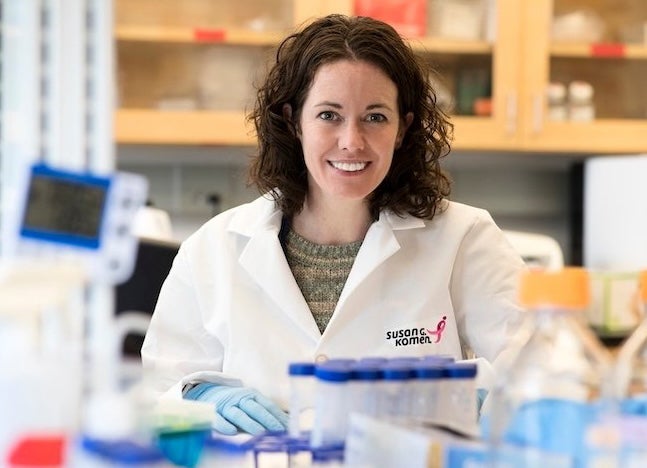
Who: Melanie Rutkowski, PhD, associate professor in the Department of Microbiology, Immunology and Cancer Biology at the University of Virginia School of Medicine and a researcher with UVA Comprehensive Cancer Center, along with colleagues across UVA.
Focus: The research explored how the gut microbiome influences the spread of hormone receptor-positive (HR+) breast cancer, the most common form of metastatic breast cancer. The team identified a biological pathway linking an unhealthy gut microbiome to cancer metastasis, revealing a promising new target for future therapies.
Discovery: Researchers found that an unhealthy gut microbiome can cause a buildup of bile acids that triggers inflammation and creates conditions that allow breast cancer cells to spread more easily, particularly to the lungs. They also found that patients with metastatic breast cancer who were taking FDA-approved bile acid-suppressing medications tended to live longer, suggesting these existing drugs could potentially be repurposed to help prevent metastasis. More studies are needed to determine if the medications are directly causing the benefits seen in patients.
Why It Matters: Once breast cancer spreads to other parts of the body, it becomes much more difficult to treat. By identifying a specific mechanism that drives metastasis — and one that may be addressed using medications already approved for other conditions — this research could accelerate the development of new strategies to improve outcomes and save lives for patients with breast cancer.
The researchers have published their findings in the scientific journal Cancer Research. Read more.