
4.21.2026
UVA Develops Genetic Research Tool to Speed New Treatments, Benefit More Patients

UVA School of Nursing scientists are investigating perinatal depression, one of the most common complications of pregnancy and a major contributor to maternal morbidity and mortality.
It started with a feeling of helplessness. Working as a family nurse practitioner in the pediatric ICU, Maria McDonald, PhD, didn’t have a remedy for the depression she often observed among her patients and their families. It made her wonder about the biology of mental health challenges and how they may be passed down from generation to generation. That curiosity brought her back to UVA School of Nursing to become a nurse scientist. In 2023, she earned her doctorate. Today, McDonald is one of the school’s newest assistant professors, investigating maternal mental health and teaching nursing students about the latest findings. McDonald was one of four in an inaugural cohort of postdoctoral nursing research fellows who transitioned directly into tenure-track assistant professorships this past August.
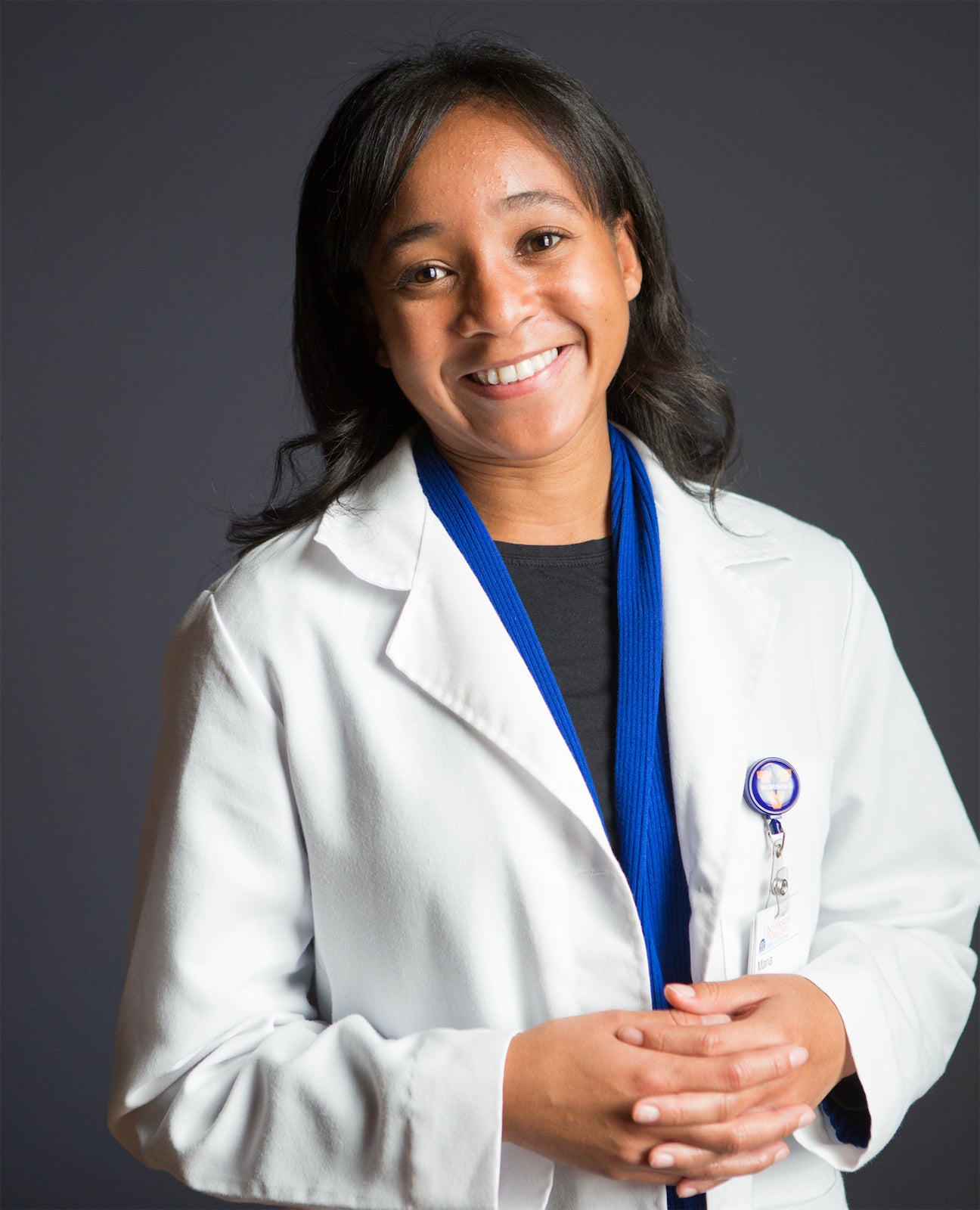
Typically, postdoctoral nursing researchers spend years navigating uncertainty and applying widely for faculty positions that necessitate leaving behind the mentorships and collaborative research partnerships they’d cultivated during their PhD programs. UVA School of Nursing’s postdoc-to-faculty fellowship program breaks that mold by offering research and mentorship continuity at a critical stage of career development. Philanthropic support was essential to launching the program, and McDonald hopes opportunities like this continue to expand for aspiring nursing faculty.
“This experience is incredibly unique,” McDonald said. “It allowed us to focus on building impactful research rather than worrying about what comes next.”
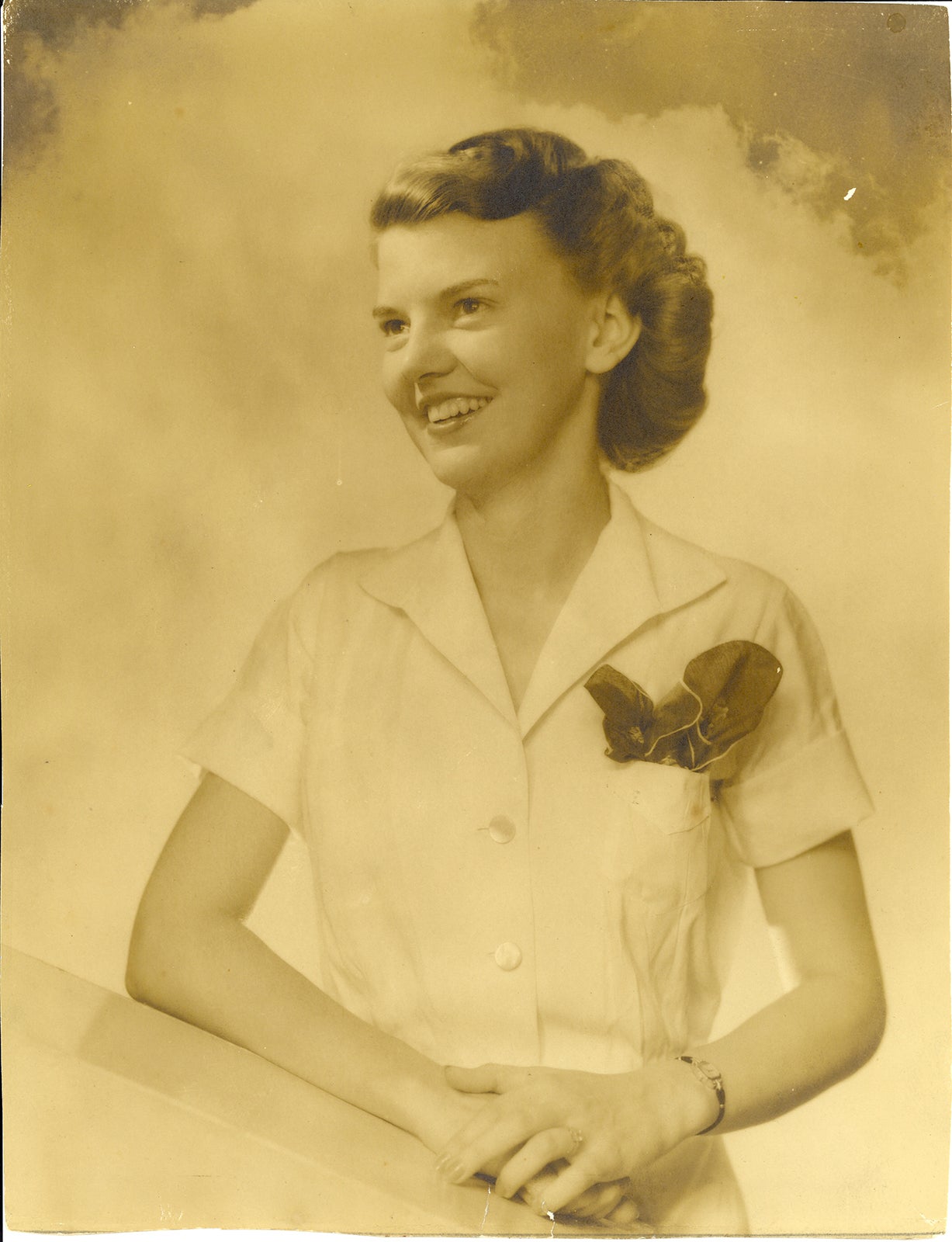
Support for the program came from a variety of sources, including the Charlotte Spain Birdsong Fund, named for an alumna whose family remains deeply engaged with UVA School of Nursing. Charlotte’s son, Harvard Birdsong, is an esteemed emeritus member of the dean’s advisory board, and her granddaughter, Kathryn Crowe, is a current board member. The Birdsong Fund was created to support faculty recruitment and retention, as well as other faculty-related needs at the school.
“Private support has been essential to building our pipeline of nurse scientists and faculty,” said UVA School of Nursing Dean Marianne Baernholdt. “Without co-investment from the Birdsong Fund, we could not have created this transformative postdoc-to-faculty fellowship program at this scale. Opportunities like this are vital to the future of nursing research and education. We are incredibly grateful to the Birdsong family for its vision, generosity, and commitment to our shared mission.”
“This support has been invaluable,” said McDonald. “It’s not just financial — it’s an investment in people, ideas, and the future of healthcare.”
A willingness to invest in McDonald’s potential as an emerging nurse scientist has been critical to her success. UVA School of Nursing funded her PhD program for the first two years. Then McDonald joined the laboratory of UVA Professor of Psychology Jessica Connelly, who covered the remainder of McDonald’s training through her own National Institutes of Health research grant. “This allowed me to develop lab-based skills and covered tuition,” McDonald said.
During her PhD program, McDonald also earned certification as a psychiatric-mental health nurse practitioner and began working at an adult psychiatric clinic. Her observations there echoed what she’d witnessed in the pediatric ICU, deepening her interest in how depression is passed down from parent to child and the role of epigenetics — how behaviors and environments influence the way genes function.

Today, McDonald’s research focuses on perinatal and reproductive mental health — an area of growing recognition and urgent need. Perinatal depression is one of the most common complications of pregnancy and a major contributor to maternal morbidity and mortality, yet it’s historically under-studied. McDonald’s research examines the biological, psychological, and social factors that shape maternal mental health to improve outcomes for mothers, children, and families.
In this work, McDonald works closely with UVA School of Nursing Associate Dean for Research Jeanne Alhusen, PhD, CRNP, who has advised McDonald since her dissertation.
“She helped me understand the role of a researcher and provided guidance on grant writing and career development,” McDonald said.
McDonald’s work is highly interdisciplinary. Because she is trained as both a psychiatric-mental health nurse practitioner and a scientist, she can integrate findings and collaborate across fields, from nursing to neuroscience and genetics. This approach allows her to translate laboratory discoveries into clinical understanding and education, helping to close the gap between research and patient care.
“The process from bench to bedside typically takes about 17 years,” said McDonald, who attributed part of that delay to silos between disciplines.
“Interdisciplinary collaboration has the potential to accelerate progress,” she said, adding, “Where a physician-researcher alone might focus primarily on biology, I look at the whole system, integrating psychosocial factors as well.”
McDonald’s commitment to nursing education is equally central to her work. As a new faculty member, she teaches undergraduate nursing students about perinatal mental health and meaningfully integrates it into the curriculum.
“We’re becoming more aware of these conditions,” she said. “But awareness alone isn’t enough. We need to prepare the next generation of healthcare providers to recognize symptoms and know how to respond.”
Ultimately, McDonald’s goal is to support mothers, children, and families through research and practice in the emerging field of reproductive psychiatry. Philanthropic support — such as the Charlotte Spain Birdsong Fund—has been essential.
“Donor funding provides protected time for research, access to mentorship, and the resources needed to publish findings, secure grants, and build collaborations,” McDonald said. “Just as importantly, it signals trust and belief in early-career scholars like me.”